
Plants
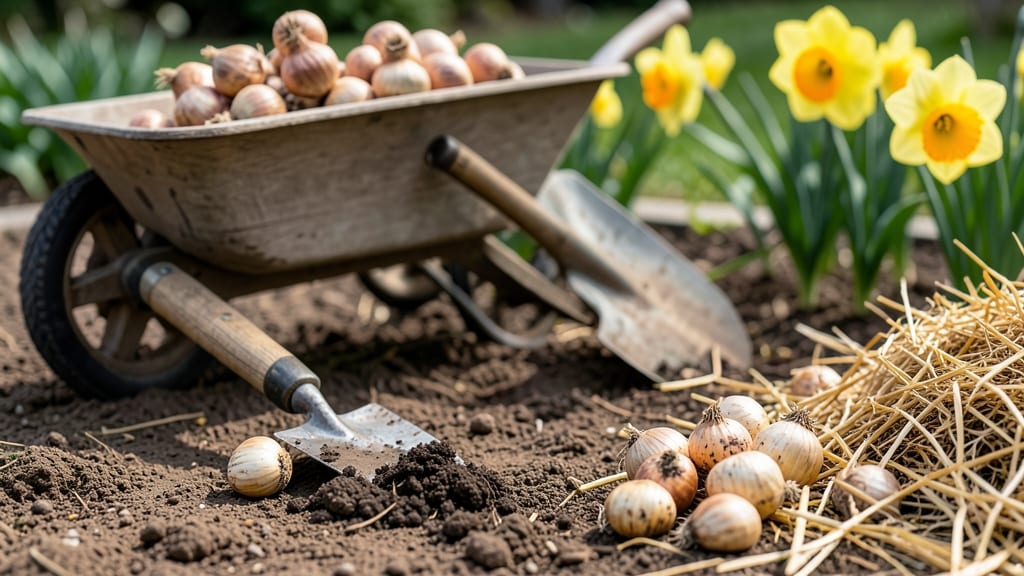
Planting daffodil bulbs at the wrong time in Indiana could mean waiting an extra year for those cheerful 🌼 blooms that brighten up spring.
The key to success lies in getting them in the ground during the perfect window—between October and November—when soil temperatures drop but before the ground freezes solid.
Here’s why timing matters: daffodil bulbs need 6 weeks to establish roots before winter sets in. In Indiana’s USDA Zones 5b-6b, that means aiming for early fall planting—sooner than you might think. Too late, and the bulbs won’t root properly; too early, and they could sprout before winter arrives.
I’ll walk you through the exact steps to plant your daffodils for bold spring blooms, including soil prep, depth, and how to handle Indiana’s unpredictable weather.
Whether you’re a first-time gardener or a seasoned pro, these tips will help you avoid common mistakes and get those bright yellow trumpets popping up right on schedule.
Ready to transform your yard into a springtime showstopper? Let’s dive into the best practices for planting daffodil bulbs in Indiana—so you can enjoy the results next year instead of next spring.
Perfect planting window for Indiana’s USDA Zones 5-6: month-by-month breakdown
Indiana’s USDA Zones 5-6 offer a short but critical window for planting daffodil bulbs—typically between mid-October and mid-November. This timing ensures bulbs establish roots before the ground freezes, setting the stage for vibrant spring blooms.
The key is planting when soil temperatures drop to 40-50°F, signaling the perfect balance for root growth without bulb rot.
Miss this window, and you risk bulbs sprouting too early or rotting in cold, wet soil. In Zone 5b (northern Indiana), aim for planting by October 15, while Zone 6b gardeners have until November 1.
Always check your local frost dates—Indiana’s average first frost arrives around October 15, so plan accordingly.
Why fall planting? Daffodils are hardy perennials that need time to develop roots before winter. Planting in fall gives them a head start, while spring planting (though possible) often results in weaker blooms. For Indiana’s climate, fall is non-negotiable for consistent success.
Now, let’s break down the month-by-month timeline for planting daffodil bulbs in Indiana:
| Month | Ideal Planting Time | Soil Temp Threshold | Notes for Indiana |
|---|---|---|---|
| September | Early September (Zone 6b) | 50-60°F | Only for southern Indiana; risk of early sprouting. |
| October | Mid-October to October 31 | 40-50°F | Best window for all zones; bulbs establish roots before frost. |
| November | Early November (Zone 6b) | 35-45°F | Risk increases after November 15; soil may freeze. |
| December | Not recommended | Frozen ground | Bulbs may rot; only plant if soil is workable. |
Pro tip: Use a soil thermometer to confirm temperatures. If your soil is below 40°F, wait a few days—cold soil can shock bulbs. For northern Indiana, prioritize planting by October 20 to avoid early freezes.
Adjust for early/late winters. If your area had an early frost in 2023, plant 2-3 weeks earlier in 2024. Conversely, if winters are mild, you might extend planting into early November.
Always err on the side of earlier planting—bulbs can wait in the ground, but weak roots can’t recover.
For container gardening, plant daffodils in October-November as well, using well-draining pots. Place containers in a sheltered spot to protect bulbs from extreme cold. In containers, bulbs may need extra winter mulch (3-4 inches) to insulate them.
Remember: Daffodils planted in fall will reward you with bold spring blooms—often the first flowers to break through Indiana’s snow. By following this timeline, you’ll ensure your bulbs are ready to thrive when spring arrives. 🌼
Perfect planting window for Indiana’s USDA Zones 5-6: month-by-month breakdown
Indiana’s USDA Zones 5-6 demand precise timing for daffodil bulb planting. The ideal window is between mid-October and early November, when soil temps drop to 40-50°F.
This timing lets bulbs establish roots before winter dormancy, ensuring robust spring blooms. Miss this window, and you risk weak growth or delayed flowering.
For Zone 5b (northern Indiana), aim to plant by October 15th—earlier than Zone 6b, where you can extend planting until November 1st. Use your last frost date (around April 15th) as a guideline: plant bulbs 6 weeks before the ground freezes solid.
Why fall planting? Daffodils need cold stratification to break dormancy. Planting in fall mimics nature’s cycle, giving bulbs time to root before winter. Spring planting is possible but requires chilling treatment (store bulbs in a fridge for 8-10 weeks) or risks poor blooming.
Check soil readiness with your finger test: push a finger into the ground. If it feels cool but workable (not muddy), it’s time to plant. Avoid soggy soil—wet conditions can cause bulb rot. Amend heavy clay soils with compost or sand to improve drainage.
🌼 Indiana Daffodil Planting Timeline
| Month | Soil Temp | Action | Notes |
|---|---|---|---|
| September | 50-60°F | Prep soil | Add compost; avoid planting |
| October | 40-50°F | Plant bulbs | Zone 5b: by Oct 15; Zone 6b: by Nov 1 |
| November | 30-40°F | Mulch lightly | 2-3 inches of straw |
| December-February | Frozen | Dormant | No care needed |
| March-April | 40-50°F | Watch for shoots | Remove mulch when sprouts appear |
If Indiana’s weather throws curveballs—like an early freeze or unseasonably warm fallearly freezes, plant as soon as soil is workable (even September). For mild falls, wait until soil cools to 50°F to prevent premature sprouting. Always prioritize root establishment over strict calendar dates.
Pro tip: Mark your planting spots with biodegradable flags to avoid digging into bulbs later. Daffodils multiply yearly, so a single planting can become a vibrant spring display in just 2-3 years. Just remember: patience pays off—those first blooms are worth the wait! 🌼