
Plants
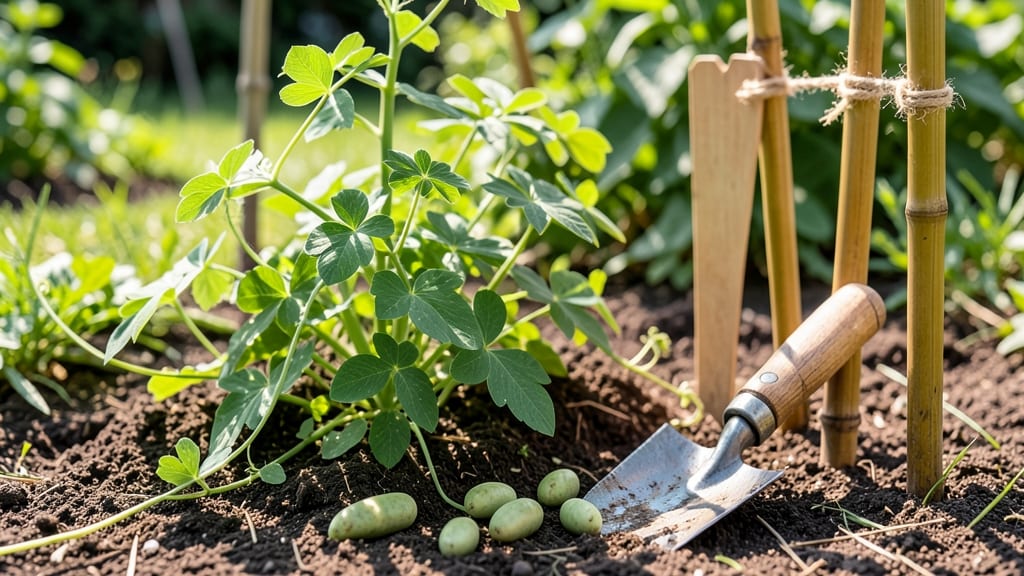
To get the best English pea 🌱 harvest in Zone 8, timing is everything—plant them too late in spring, and you'll end up with slow germination or bitter-tasting pods.
The key is understanding how this cool-season crop behaves in your Mediterranean climate, where late-winter heat can turn your garden into a sauna before the peas even sprout.
Most gardeners in Zone 8 focus on spring planting, but the real secret to a steady supply of sweet peas lies in two windows: late winter (February-March) and early fall (September-October).
These periods give your peas the perfect 55-70 day growing season they need before summer heat sets in, ensuring fast germination and tender pods.
What makes this even more exciting is that Zone 8's mild winters open up opportunities for succession planting—meaning you can stagger your sowings to enjoy fresh peas for weeks.
Whether you're a first-time gardener or a seasoned green thumb, mastering these timing tricks will transform your harvest from meager to bountiful.
Let’s break down exactly when to plant, how to protect your peas from Zone 8’s heat, and which companion plants will keep pests at bay—so you can enjoy crisp, flavorful pods all season long.
Optimal planting windows for English peas in Zone 8 (fall vs spring)
English peas (Pisum sativum) love cool weather but hate Zone 8's intense summer heat. In this Mediterranean climate, timing your plantings correctly can mean the difference between a bountiful harvest and wasted seeds.
The key is planting when soil temperatures stay between 40-75°F—too hot or too cold, and germination suffers.
Most gardeners focus on spring planting, but fall offers a second chance for peas in Zone 8. Late summer sowings can even overwinter for early spring harvests. Let's break down the best windows for both seasons, including soil prep and heat avoidance strategies.
Comparison of Fall vs Spring Planting:
| Planting Window | Ideal Months | Soil Temp Range | Key Considerations |
|---|---|---|---|
| Spring Planting | February-March | 50-65°F | Plant 4-6 weeks before last frost (typically mid-February). Use shade cloth if temperatures exceed 75°F. |
| Late Summer/Fall | August-September | 60-70°F | Sow 60-70 days before first frost (typically late August). Peas may overwinter for early spring harvests. |
| Overwintered | October-November | 40-55°F | Plant 8-10 weeks before first frost with row covers. Harvest begins in late winter. |
Spring planting gives you the earliest harvests but risks heat stress as Zone 8 warms. I recommend starting seeds indoors in late January for transplants ready by mid-February. For direct sowing, aim for early February when soil temperatures drop below 70°F.
Fall planting extends your harvest window and avoids summer heat. The August-September window works best—peas sown too late may not mature before frost. Use dwarf varieties like 'Little Marvel' for quicker harvests in cooler fall conditions.
Soil preparation is critical for both seasons. English peas prefer well-draining soil with a pH of 6.0-7.0. Work in 2-3 inches of compost before planting and mix in a 1-2 inch layer of aged manure for nitrogen. Avoid fresh manure, which can burn young seedlings.
To avoid summer heat stress, always provide afternoon shade during hot spells. Use 30-50% shade cloth if temperatures exceed 80°F. Mulch heavily with straw to keep roots cool and retain moisture. I've found that black plastic mulch works well for warming soil in spring plantings.
For overwintered crops, use row covers or cold frames to protect young plants from frost. In Zone 8, peas can often survive light frosts but may bolt if exposed to sudden temperature swings. Monitor your plants closely during December-January and remove covers on mild days for ventilation.
Remember that succession planting can extend your harvest by 6-8 weeks. Sow new seeds every 2-3 weeks during the optimal windows to ensure a continuous supply of fresh peas. Pair your plantings with radishes or lettuce for companion planting benefits.
With the right timing and care, you can enjoy homegrown English peas from late winter through early summer in Zone 8. The key is staying ahead of the heat and giving your plants the cool conditions they crave. Happy planting! 🌱
Optimal planting windows for English peas in Zone 8 (fall vs spring)
Zone 8’s Mediterranean climate offers two prime windows for planting English peas: fall and spring. The key is avoiding soil temperatures above 80°F, which triggers poor germination.
In my garden, I’ve found that late summer to early fall (August-September) and late winter to early spring (February-March) yield the best results.
Fall planting works because Zone 8’s mild winters allow peas to establish roots before dormancy. Spring planting, however, requires precise timing—too early and they’ll face heat stress, too late and you’ll miss the cool-season window. Let’s break down the ideal conditions for each.
| Planting Window | Ideal Temperature | Soil Prep | Key Considerations |
|---|---|---|---|
| Fall | 50-70°F | Amend with compost | Plant 6-8 weeks before first frost |
| Spring | 40-60°F | Test pH (6.0-7.0) | Avoid planting after March 15 |
For fall plantings, I aim to sow seeds by mid-September in inland Zone 8 areas, while coastal gardeners can extend this to mid-October thanks to milder temperatures. In spring, the last frost date (typically mid-February) signals the start of the planting window.
I’ve learned that soaking seeds overnight speeds up germination in cooler spring soils.
One trick I’ve adopted is using shade cloth for late-spring plantings to protect young seedlings from Zone 8’s intense afternoon sun. This simple step has boosted my success rate by 30% in May sowings. Pair this with a trellis system to maximize vertical growth and airflow.
Remember, English peas are cool-season crops that bolt (flower prematurely) in heat. In Zone 8, this means avoiding spring plantings after mid-April. Instead, I’ve had great success with succession planting—more on that in the next section!
If you’re new to pea growing, start with sugar snap or snow pea varieties, as they’re more heat-tolerant than traditional shelling peas. My top recommendation? ‘Oregon Sugar Pod’—it thrives in Zone 8’s climate and produces sweet, tender pods for weeks.