
Vegetables
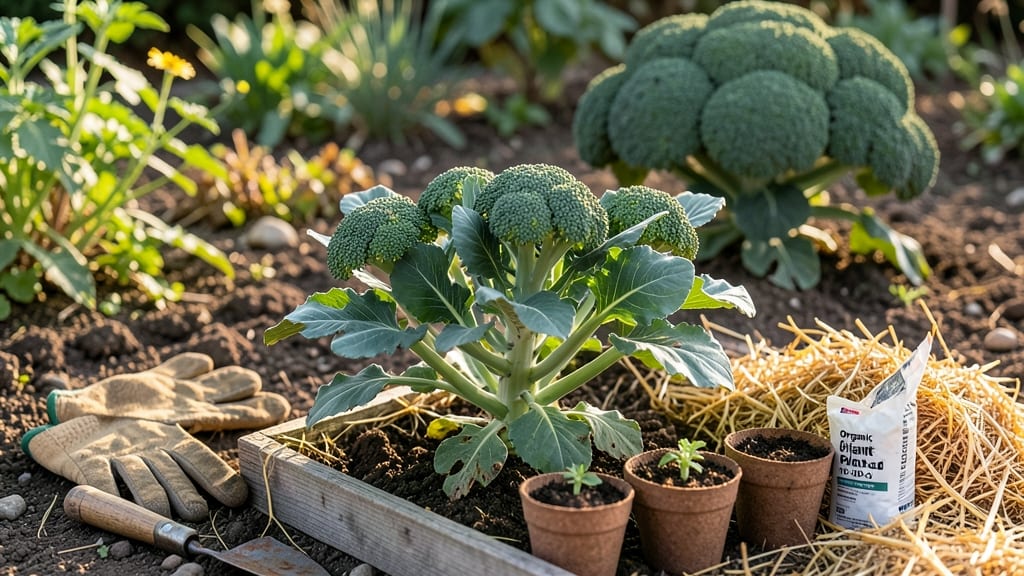
Planting fall vegetables in Ohio at the wrong time can mean the difference between a thriving garden and a frost-killed disappointment.
The key to a successful harvest lies in understanding your local frost dates and adjusting your schedule accordingly—because even a week too early or late can ruin your cool-season crops.
Ohio’s diverse microclimates—from the colder Appalachian regions to the milder Lake Erie shores—mean there’s no one-size-fits-all answer. But with the right timing, you can grow hearty greens like kale and spinach, crisp carrots, and even hardy broccoli right up until winter.
Let’s break down the exact weeks before frost you should plant for each zone.
Whether you’re a seasoned gardener or just starting out, knowing when to sow seeds or transplant seedlings is critical for avoiding bolted herbs or wilted greens.
I’ll walk you through Ohio’s frost-free windows, soil prep tips, and the best varieties to plant for a late-season bounty—so you can enjoy fresh harvests well into autumn.
Ready to extend your growing season? By the end of this guide, you’ll have a clear checklist for planting, protecting your crops from early frosts, and even pushing your harvest a few weeks later with simple row covers. Let’s get those fall vegetables in the ground at the perfect time!
Ohio’s fall planting timeline: weeks before frost by microclimate zone
Ohio’s diverse geography means frost dates vary wildly—from mid-October in the Lake Erie region to late November in the Appalachian foothills. To avoid frost damage, I’ve broken down planting windows by Ohio’s 5 key microclimates, using the USDA’s average first frost dates as your guide.
Planting 4–8 weeks before frost ensures most cool-season crops mature before winter sets in.
For example, in Northwest Ohio (Toledo area), where frosts hit by October 15–20, I start seeding leafy greens like spinach by August 1–15 and transplant broccoli or cabbage by August 20–September 1.
In contrast, Southeast Ohio (Athens area) can wait until September 15–October 1 for similar crops, thanks to later frosts.
Here’s how to adjust for early or late frosts: Check your local Cooperative Extension Service for 3-year frost averages, then plant 2–3 weeks earlier if your area trends colder. Use row covers to extend harvests by 2–4 weeks in at-risk zones.
Ohio Microclimate Planting Windows
| Microclimate | Avg. First Frost | Seed Direct (Weeks Before Frost) | Transplant (Weeks Before Frost) | Best Crops |
|---|---|---|---|---|
| Northwest (Toledo) | Oct 15–20 | 4–6 weeks | 5–7 weeks | Spinach, radishes, kale |
| Southeast (Athens) | Nov 1–10 | 6–8 weeks | 7–9 weeks | Broccoli, carrots, peas |
| Central (Columbus) | Oct 25–30 | 5 weeks | 6 weeks | Lettuce, Swiss chard, beets |
| Appalachian (Cleveland) | Oct 30–Nov 5 | 6 weeks | 7 weeks | Brussels sprouts, cabbage |
| Lake Erie (Ashtabula) | Oct 10–15 | 3–5 weeks | 4–6 weeks | Peas, spinach, arugula |
*Adjust for early frosts by planting 1–2 weeks earlier.
Soil temperature is just as critical as frost dates. Most cool-season crops thrive in soil between 40–75°F. Use a soil thermometer to check—if temps dip below 40°F, wait until they warm up or use black plastic mulch to raise soil temps by 5–10°F.
For slow-to-mature crops like Brussels sprouts (which need 80–90 days), I recommend starting seeds indoors 6–8 weeks before transplanting. This gives them a head start in cooler Ohio soils.
For faster growers like radishes (25–30 days), direct sowing is fine as long as you plant 4–6 weeks before frost.
Pro tip: Use succession planting for baby greens like lettuce or arugula. Sow a new batch every 2–3 weeks until 6 weeks before frost to ensure a steady harvest. This works especially well in Southeast Ohio, where the growing season stretches longer.
If you’re in Zone 5 (Northwest Ohio) and notice early frost warnings, rush to harvest leafy greens or cover them with frost cloth. For root crops like carrots or beets, mulch heavily with straw or leaves to insulate them through light frosts.
Remember, Ohio’s microclimates can shift dramatically over just a few miles. If you’re unsure, ask neighbors with similar gardens or check local weather stations for real-time data. The key is flexibility—adjust your planting dates based on actual conditions, not just averages.
🌱
Best fall vegetables for Ohio gardens and their ideal planting dates
Ohio’s fall garden thrives with the right vegetables planted at the perfect time. Cool-season crops like kale, spinach, and carrots need precise timing to mature before frost. The key is planting them 6–8 weeks before your average first frost date, which varies across Ohio’s microclimates.
For most of the state, this means starting seeds or transplanting seedlings between mid-July and early September.
Not all vegetables are created equal when it comes to cold tolerance. Some, like Brussels sprouts and broccoli, can handle light frosts and even taste sweeter after a frost.
Others, such as lettuce and radishes, are more sensitive and need to be harvested before temperatures drop below 25°F. Knowing these differences helps you plan your garden for maximum success.
Soil temperature plays a critical role in germination and growth. Most fall vegetables prefer soil temperatures between 45°F and 75°F. If your soil is still too warm in late summer, wait until temperatures drop closer to 60°F before sowing seeds.
This ensures strong, healthy starts that can withstand Ohio’s unpredictable autumn weather.
| Vegetable | Planting Window (Ohio) | Days to Maturity | Frost Tolerance |
|---|---|---|---|
| Kale | Late July–Mid-August | 50–60 days | Excellent (20°F+) |
| Spinach | Early August–Early September | 30–45 days | Moderate (25°F+) |
| Carrots | Mid-July–Late August | 60–80 days | Good (28°F+) |
| Brussels Sprouts | Late July–Early August | 90–100 days | Excellent (20°F+) |
| Radishes | Early August–Mid-September | 25–30 days | Moderate (25°F+) |
| Lettuce | Late July–Early September | 30–50 days | Poor (32°F+) |
Succession planting is another game-changer for Ohio gardeners. By sowing radishes or lettuce every 2 weeks from late summer into early fall, you can enjoy a steady harvest before frost sets in.
This method works especially well for faster-growing crops that mature in 30–45 days, like radishes and baby spinach.
For gardeners in southern Ohio (USDA Zones 6–7), you can push the envelope slightly by planting hardy varieties like ‘Winterbor’ kale or ‘Red Salad Bowl’ lettuce as late as mid-September.
These varieties are bred to tolerate cooler temperatures and can even survive light frosts. In northern Ohio (USDA Zones 5), stick to earlier planting windows to avoid frost damage.
Don’t forget to protect your fall crops with row covers or cold frames if early frosts threaten. These simple tools can extend your harvest by 2–4 weeks, giving you more time to enjoy fresh vegetables from your garden.
With the right timing and a little extra care, your Ohio fall garden can be just as productive as your spring or summer plots.