
Plants
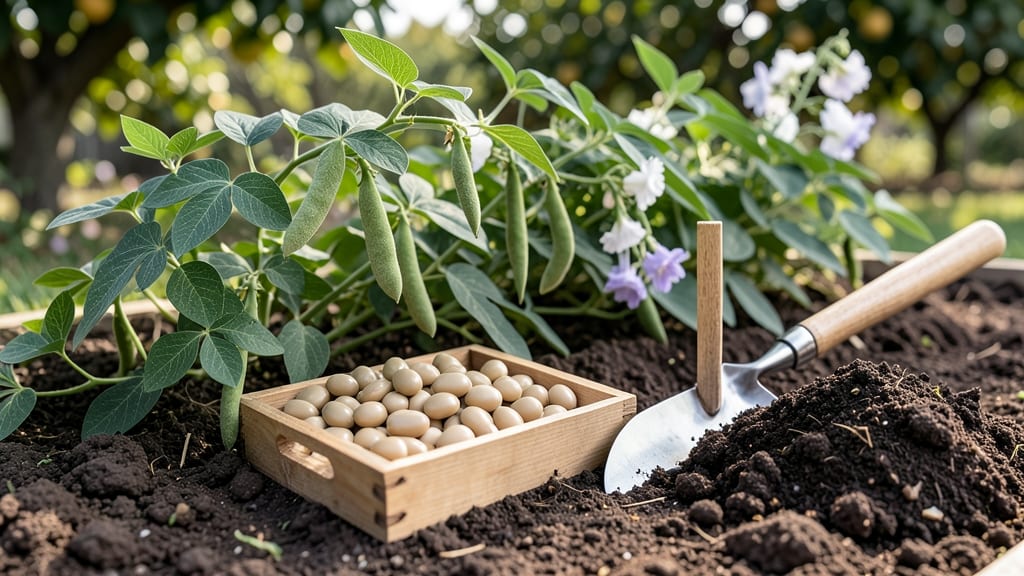
Planting fava beans at the wrong time in Zone 8 can leave you with sad, stunted plants instead of a bountiful harvest—and the difference between success and failure often comes down to just a few weeks.
These cool-season 🌱 lovers need the right temperature window, and getting it wrong means struggling with heat stress or missed growth opportunities.
I’ve grown fava beans for years in Zone 8, and the best results always come from planting in two distinct windows: late winter/early spring or early fall.
The key is avoiding the scorching summer months when temperatures climb above 70°F, which can send your plants into early dormancy or even bolt before they produce pods.
Whether you’re a first-time gardener or a seasoned pro, timing matters more than you might think. In this guide, I’ll break down the exact months to plant, how to prep your soil, and why fall often outperforms spring in Zone 8’s warm climate.
Let’s get those fava beans in the ground at the perfect moment!
You’ll also discover how to extend your growing season with simple tricks, so you can enjoy fresh pods well into fall—no matter how hot your summer gets. Ready to turn your garden into a fava bean powerhouse?
Optimal planting windows for fava beans in Zone 8 (fall & spring)
Fava beans love cool weather, but in Zone 8, summer heat can turn your plants into sad, wilted shadows. The key to success? Planting during the two best windows: fall and early spring.
These seasons give your beans the ideal 50-70°F temperatures they crave while avoiding the brutal summer sun.
In my experience, fall planting often yields the most reliable harvests in Zone 8. The cooler temperatures after summer's peak give seedlings time to establish roots before winter slows them down. But timing is everything—plant too late, and you risk early frost cutting your season short.
For spring planting, aim for late winter to early spring, just as the soil warms but before the heat sets in. This gives you a 90-day growing season before summer stress kicks in. Let’s break down the exact months and what to watch for in each window.
🌱 Fava Bean Planting Windows in Zone 8
| Season | Best Months | Soil Temp | Frost Risk | Harvest Window |
|---|---|---|---|---|
| Fall | September-October | 55-70°F | Low (plant 6-8 weeks before first frost) | November-December |
| Spring | February-March | 50-65°F | None (after last frost) | April-May |
💡 Pro Tip: Use a soil thermometer to confirm temps are in the 50-70°F range before planting. Cold soil slows germination.
Fall planting gives you a head start on growth, but you’ll need to harvest before winter. Start seeds indoors in late August and transplant outdoors in September for a jump on the season.
In my garden, this method consistently produces larger pods because the plants mature before summer heat arrives.
Spring planting is trickier in Zone 8 because the heat ramps up fast. If you plant too late, your beans will bolt (flower prematurely) or develop bitter pods.
To beat this, I soak seeds overnight before planting in February—this speeds up germination so you can harvest before the real heat hits.
Another trick? Use shade cloth (30-50% shade) if you must plant in late spring. This buys you extra weeks of growth before summer stress takes over. I’ve seen beans planted in April under shade still produce decent yields, but the pods are smaller and fewer.
Both seasons require well-draining soil with a pH of 6.0-7.5. Fava beans are nitrogen-fixers, so they don’t need heavy fertilization, but a light 5-10-10 mix at planting helps kickstart growth. Avoid fresh manure—it can burn roots and attract pests.
Remember: Zone 8’s last frost is around February 15, and the first frost hits December 1. Plan your fall planting to finish harvesting 2-3 weeks before frost, or your pods will turn mushy. For spring, wait until after the last frost to avoid stunted growth.
If you’re new to fava beans, start with 10-15 plants to test your timing. Keep notes on when you planted, soil temps, and harvest dates—this helps refine your approach for next year. And always save some seeds from your best plants for future batches!
How to extend your fava bean season in hot Zone 8 climates
Zone 8’s summer heat can turn your fava bean dreams into wilted disappointment—but with the right strategies, you can push harvests well into fall. The key is heat management through shade, water, and smart planting timing.
I’ve grown fava beans in 100°F+ heat using these techniques, and they’ve thrived when others failed.
Fava beans love cool temperatures (50-70°F), but with shade and consistent moisture, they can tolerate brief heat spikes. The trick is succession planting in late summer to catch the cooler fall air. Here’s how I extend my season by 4-6 weeks without losing yield.
- 1 Use 30-50% shade cloth starting in late July to reduce soil and air temps by 10-15°F. Secure it 3-4 feet above plants to allow airflow.
- 2 Drip irrigation at soil level (not overhead) twice daily—morning and late afternoon. Aim for 1-1.5 inches of water per week during heatwaves.
- 3 Plant with heat-tolerant companions: radishes, lettuce, or Swiss chard near fava beans. These shallow-rooted plants reflect heat and improve soil moisture retention.
- 4 Succession plant in August for a fall harvest. Sow seeds every 2 weeks until mid-September—this ensures a staggered maturity timeline as temps drop.
- 5 Mulch with straw or wood chips (3-4 inches deep) to lock in moisture and block radiant heat. Replenish every 2 weeks during peak summer.
One of my biggest mistakes was waiting until September to plant—by then, the heat had already stressed the soil. Instead, I now start late July with shade cloth and drip lines pre-installed. This gives plants a 4-week head start before temps drop naturally.
For companion planting, I’ve had the most success with radishes—they mature quickly, break up compacted soil, and their shallow roots don’t compete with fava beans. Avoid planting near onions or garlic, as they can stunt fava bean growth due to allelopathic chemicals.
Harvesting in Zone 8’s fall means watching for pods that turn brownish-green (not fully brown) and feel slightly papery. If left too long, they’ll toughen up—so check plants every 3-4 days starting in October.
With these tweaks, I’ve extended my harvest by 6 weeks compared to traditional spring plantings.
Pro tip: If your fava beans start yellowing leaves in heat, it’s not always a death sentence. Trim the top leaves to reduce water loss and increase airflow—this helps plants focus energy on pod development rather than foliage.