
Plants
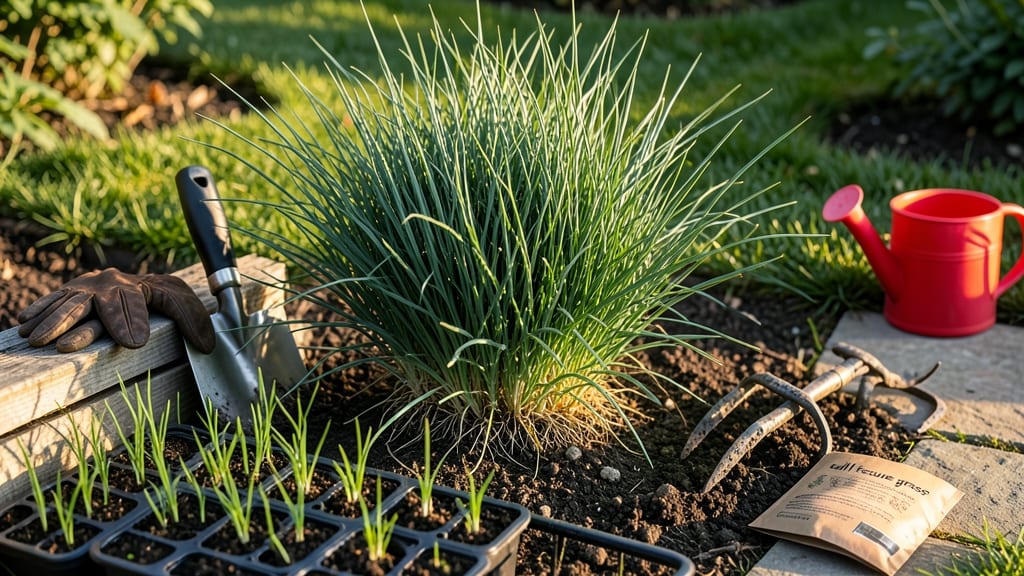
Planting fescue 🌾 in Kansas at the wrong time can leave you staring at a patchy lawn come summer—because this cool-season grass needs the perfect window to establish strong roots before the heat arrives.
The key isn’t just when you plant, but how you prepare your soil and adapt to Kansas’ unpredictable weather swings from Zone 5b to 7a.
Most gardeners in Kansas swear by early fall (August-September) as the best time to plant, when soil stays warm enough for germination but nights begin cooling. But spring (March-April) works too, as long as you beat the last frost—typically around April 15—so your grass isn’t shocked by sudden chills.
Here’s the game-changer: soil temperature matters more than dates. Aim for 50-65°F soil—too hot, and seeds dry out; too cold, and growth stalls. I’ll show you how to test it and tweak your timing for northern vs. southern Kansas, where microclimates can shift success by weeks.
Ready to skip the guesswork? Let’s break down the exact steps—from seed depth to watering schedules—to ensure your fescue takes hold faster and stays green through Kansas’ harshest seasons.
Best planting windows for fescue in Kansas: month-by-month guide
Kansas gardeners know timing is everything for fescue 🌾—this cool-season grass needs the right balance of warmth and moisture to establish strong roots. The ideal planting windows are early fall (August-September) and early spring (March-April), but regional differences across Kansas can shift these dates by weeks.
Let’s break down the best months and why they matter for your lawn’s success.
Fall planting (August-September) is my top recommendation because soil stays warm enough for germination while nights begin cooling. This gives your fescue 6-8 weeks of active growth before winter dormancy.
Spring planting (March-April) works too, but you must wait until after the average last frost date (April 15) to avoid shocking tender new shoots.
Here’s the month-by-month breakdown you need to plan your fescue planting like a pro:
🌾 Fescue Planting Timeline for Kansas
| Month | Best for Planting? | Soil Temp | Notes |
|---|---|---|---|
| February | ⚠️ Risky | Too cold | Early frost risk; seeds may rot |
| March | ✅ Good | 45-55°F | Wait until after last frost (mid-April) |
| April | ⭐ Best | 50-65°F | Ideal for spring planting; warm days, cool nights |
| May | ⚠️ Risky | 65-75°F | Summer heat stress; overseed only |
| August | ⭐ Best | 60-70°F | Perfect balance; 6-8 weeks before frost |
| September | ✅ Good | 55-65°F | Still warm enough for germination |
| October | ⚠️ Risky | 45-55°F | Late planting; may not establish before frost |
For northern Kansas (Zone 5b), aim for late August to early September in fall, while southern Kansas (Zone 7a) can extend planting until mid-October. Always check your local frost dates—planting 4-6 weeks before the first frost gives fescue enough time to establish roots.
Pro tip: If you miss the ideal window, overseeding in late summer still works. Just adjust your watering schedule to account for hotter soil temperatures that can dry out seeds faster.
Remember, soil temperature is your best guide—not just the calendar. Use a soil thermometer to confirm 50-65°F before planting. Too cold, and germination slows; too hot, and seeds may dry out before sprouting.
Once you’ve nailed the timing, the next critical factor is Kansas’ soil and weather—which can make or break your fescue’s success. Let’s dive into how to adapt your planting strategy based on your specific region’s climate challenges.
How Kansas soil and weather affect fescue establishment timing
Kansas’ variable climate—from Zone 5b’s chilly winters to Zone 7a’s scorching summers—means fescue timing isn’t one-size-fits-all. The soil temperature is your best guide: seeds need 50-65°F soil to germinate, but above 80°F can bake them before sprouting.
In Wichita (Zone 7a), summer heat arrives earlier, so fall planting must happen by mid-August.
Moisture is another critical factor. Kansas’ drought-prone summers can dry out seeds before they establish. I’ve seen fescue fail in southern Kansas when planted in late spring because the soil dries too quickly. Always water deeply 2-3 times weekly after planting, regardless of season.
Regional microclimates matter too. Northern Kansas (like Hays) has cooler springs, giving you a 2-week window longer for spring planting than southern Kansas. Check your local frost dates: aim to plant 4-6 weeks before the first frost in fall or after the last frost in spring.
• Late Spring Planting: Seeds may overheat before germination in Zone 7a (e.g., Wichita). Stick to March-April.
• Early Fall Planting: Southern Kansas (e.g., Dodge City) risks early frosts if planted after mid-September.
• Drought Stress: Western Kansas (e.g., Garden City) needs extra irrigation—fescue won’t establish without 1 inch of water weekly.
• Soil pH: Kansas’ calcareous soils (pH 7.5+) can lock out nutrients. Test and amend to 6.0-7.0 before planting.
Don’t overlook wind exposure. Open fields in central Kansas (e.g., Salina) dry out faster. Plant windbreaks or use mulch to retain moisture. In urban areas (like Kansas City), shade from buildings can delay germination—choose full-sun spots for best results.
Adjust for rainfall patterns: Eastern Kansas gets 30% more rain than the west, so you can plant 1-2 weeks later in spring. Always monitor weekly rainfall—if it’s below 1 inch, supplement with irrigation.
For drought-prone areas, consider drought-tolerant fescue varieties like ‘Turf-type tall fescue’, which handles Kansas’ summer heat better than fine fescue. Pair it with deep watering (1 inch, 2-3 times weekly) for the first 4-6 weeks.