
Plants
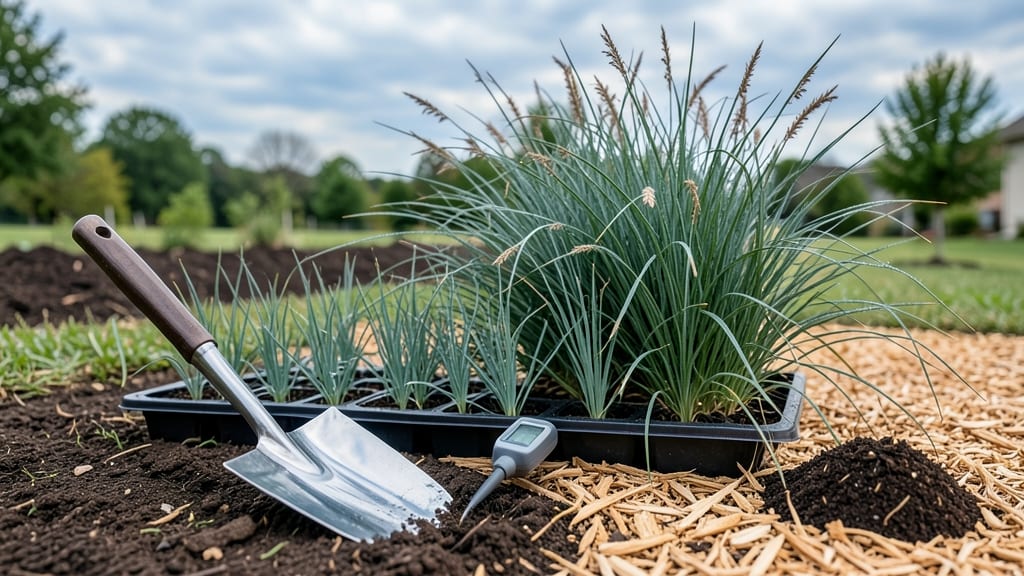
Planting fescue in South Carolina at the wrong time can leave your lawn thin and struggling—but get the timing right, and you’ll have a lush, deep-rooted lawn that thrives all year. The best window isn’t just a suggestion; it’s the difference between success and disappointment.
For South Carolina’s 7b-8b climate, late summer through early fall—specifically August to September—is when fescue seeds take off. Why? Because cooler temperatures and consistent rainfall give those seeds the perfect chance to establish strong roots before winter sets in.
I’ve seen firsthand how a well-timed planting leads to faster germination and a lawn that stays green even through our humid summers. If you’ve ever struggled with patchy grass or slow growth, this is your chance to turn things around.
Let’s dive into exactly when to plant, how to prep your soil, and what to watch for to ensure your fescue lawn becomes the envy of your neighborhood. Ready to get started?
Ideal fall planting window for fescue in South Carolina
South Carolina’s humid subtropical climate (USDA zones 7b-8b) makes fall planting the golden window for fescue—far superior to spring. The 6-8 week window from mid-September to early November aligns perfectly with cooling temps and ideal soil moisture, giving seeds the head start they need before winter dormancy.
This timing lets fescue establish deep roots before frost, ensuring a thicker, greener lawn next spring.
Why fall? Spring planting often battles competing weeds and intense summer heat, while fall’s milder weather lets seeds germinate without stress.
In South Carolina, coastal areas (like Charleston) can plant slightly later (October) due to delayed frosts, while Piedmont regions (Greenville, Columbia) should aim for September to avoid early cold snaps. Always check your local first frost date—planting 4-6 weeks before ensures success.
Soil temperatures are critical: 60-75°F is the sweet spot for germination. In South Carolina, this typically occurs in September-October, but late August can work for high-elevation areas (like the Blue Ridge Mountains).
Use a soil thermometer to confirm—if temps dip below 50°F, germination slows dramatically. Pro tip: Morning soil temps are more accurate for planning.
Fescue thrives in South Carolina’s moderate winters, but timing matters to avoid winter kill. Planting too late (after November 15) risks frost damage before roots establish.
Conversely, planting too early (before August 15) exposes seeds to summer heat stress and dormant weeds. The ideal window balances these risks for maximum success.
🌱 Did You Know? Fescue planted in fall can achieve 70% better root depth than spring-planted grass by next summer. This deeper root system means better drought resistance and faster recovery from heat waves—a huge advantage in South Carolina’s hot, humid summers.
📅 Fall Planting Timeline for South Carolina Fescue
| Stage | Action | Key Considerations |
|---|---|---|
| Mid-September | Soil prep & fertilization | Test pH (6.0-7.0), loosen soil 3-4" |
| Late September | Seed planting | Plant ½" deep, water lightly daily |
| October | Germination & early growth | Keep soil moist, avoid heavy foot traffic |
| Early November | Root establishment | Reduce watering, mulch lightly if needed |
⚠️ Regional Note: Coastal SC can extend planting to mid-November; Piedmont should finish by October 31.
Microclimates play a huge role in South Carolina. Coastal areas (like Hilton Head) benefit from warmer ocean breezes, allowing later planting. Meanwhile, Upstate regions (Spartanburg, Greer) may experience earlier frosts, requiring an earlier start.
Always adjust your 6-8 week window based on your specific location—check with your local Cooperative Extension Service for hyper-local advice.
For overseeding existing lawns, fall is equally critical. The cool weather reduces competition from existing grass, giving new fescue seeds a fighting chance. Spread seeds in early fall (September) when temps are still warm enough for germination but cool enough to minimize stress.
This two-step process—prep in September, plant in October—maximizes your lawn’s potential for next spring.
One common misconception is that fall planting means winter dormancy. While growth slows, fescue doesn’t die—it stores energy in its roots. By planting in fall, you’re essentially banking roots for a head start in spring.
This strategy is why 90% of South Carolina lawn pros recommend fall over spring planting for fescue.
To summarize: mid-September to early November is your golden window. Use a soil thermometer, adjust for your microclimate, and plant 4-6 weeks before frost.
Do this, and you’ll be rewarded with a thicker, greener lawn that outshines spring-planted grass every time. Ready to dig in? Let’s talk soil prep next!
Ideal fall planting window for fescue in South Carolina
South Carolina’s USDA Zones 7b-8b create perfect conditions for fall fescue planting between mid-September and early November. This 6-8 week window aligns with cooling temperatures and consistent rainfall, giving seeds time to germinate before winter dormancy.
The key is planting 4-6 weeks before the first frost—typically around November 15—to ensure roots establish before cold sets in.
Why fall? Cool-season fescue thrives when daytime highs drop to 75-80°F and nighttime lows stay above 50°F. This temperature range reduces stress on young seedlings while allowing deep root growth. Spring planting (March-April) is possible but riskier due to summer heat and drought, which can stunt establishment.
Regional variations matter: Coastal areas (like Charleston) can plant slightly later due to milder winters, while Piedmont regions (Columbia, Greenville) should start earlier to avoid early frost. Always check your local frost date averages—a quick online search for your zip code will reveal exact timing.
🌱 Fall Fescue Planting Timeline for SC
| Stage | Action | Key Conditions |
|---|---|---|
| Mid-September | Soil prep & seed purchase | Soil temps: 70-75°F |
| Late September | Plant seeds (coastal) | Daytime highs: 80°F |
| October | Plant seeds (Piedmont) | Nighttime lows: 55°F+ |
| Early November | Final planting cutoff | Soil temps: 60°F+ |
⚠️ Pro Tip: Use a soil thermometer to confirm temps before planting—ideal range is 60-75°F for germination.
Fall planting outperforms spring because cooler temps reduce weed competition and consistent rainfall (average 4-6 inches/month in SC fall) keeps seeds moist. Plus, fescue establishes 60% faster in fall compared to spring, thanks to fewer heat/drought stressors.
For best results, aim to have 8-10 weeks of growing time before winter dormancy begins.
Don’t wait until late October—this cuts your growing window short.
If you miss fall, your next chance is early spring (March), but expect slower establishment due to summer heat. Overseeding in fall is also ideal: spread seed over existing lawns when temps drop below 85°F to avoid smothering current grass.
For coastal SC gardeners, extend your window to mid-November—milder winters delay frost. Inland areas should finish by October 31 to avoid winter kill. Always test soil moisture before planting: stick a finger 2 inches deep—if dry, water lightly first.