
Flowers
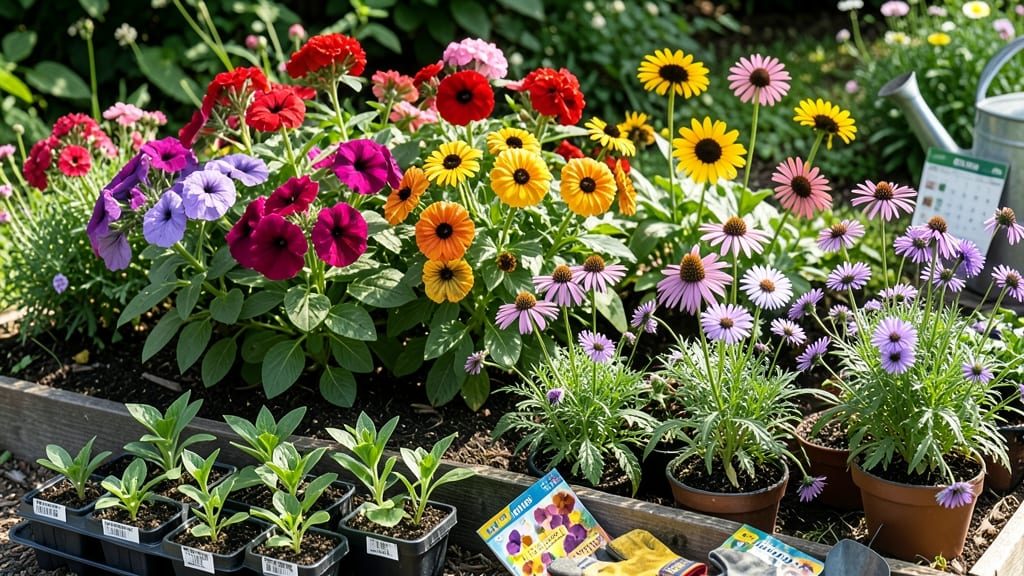
Timing your flower planting in Connecticut’s Zone 6B isn’t just about following a calendar—it’s about beating the first frost before your 🌱 flowers get a death sentence. I’ve seen too many gardeners rush or wait too long, only to watch their vibrant blooms turn to mush by July.
The key? Knowing exactly when to plant annuals, perennials, and bulbs so they thrive from spring to fall.
Connecticut’s microclimates—from coastal breezes to inland heat—mean your neighbor’s perfect schedule might not work for you. That’s why I’ve broken down the critical deadlines for each flower type, including adjustments for late starts and regional differences.
Whether you’re planting petunias for summer color or tulip bulbs for next year, these dates will save you from frost-related heartbreak.
But what if you miss the window? Don’t panic—there are smart workarounds like cold frames and row covers that can extend your season by weeks. I’ll show you how to push back those planting dates without sacrificing blooms.
Let’s get your CT garden looking like a postcard, not a science experiment.
The worst mistake? Assuming all flowers follow the same rules. Annuals need to go in early, perennials can wait, and bulbs? They’ve got their own timeline. I’ll walk you through the must-know differences so you can plant with confidence—no guesswork, just gorgeous results.
CT zone 6B flower planting deadlines by type (annuals, perennials, bulbs)
Connecticut’s Zone 6B climate creates unique challenges for gardeners, with first frost dates ranging from October 15 (coastal areas) to October 30 (inland regions). Missing these deadlines can mean the difference between a full-season bloom and frost-damaged plants.
Here’s your precise planting schedule, adjusted for CT’s microclimates and plant types.
For annual flowers, which are frost-sensitive, timing is critical. Most warm-season annuals like marigolds and petunias must be planted 4-6 weeks before your last frost.
In CT, that’s typically mid-to-late May for inland areas and early May near the coast. Cool-season annuals like pansies and snapdragons can handle lighter frosts and can be planted as early as March.
Perennials are hardier and offer more flexibility. Spring-blooming perennials like peony and iris should be planted in early spring (March-April) or early fall (September-October). Summer-blooming perennials such as coneflower and black-eyed Susan can wait until late spring (May) to ensure they establish roots before summer heat.
Spring-blooming bulbs like tulips and daffodils need to be planted in fall (October-November) to bloom early the following spring. Summer-blooming bulbs like dahlias can be planted as late as mid-May, but earlier planting ensures larger blooms. Always plant bulbs 6 weeks before ground freezes—typically by November 1 in CT.
If you miss these deadlines, don’t panic! Row covers can extend the planting window by 2-3 weeks for frost-sensitive annuals. For example, marigolds planted under floating row covers can survive light frosts down to <
CT zone 6B flower planting deadlines by type (annuals, perennials, bulbs)
Connecticut’s Zone 6B climate means your flower planting window is tight—typically just 60–75 days between last frost (around April 15) and first frost (around October 15). Annuals like marigolds and petunias need early starts, while perennials like coneflowers can wait until soil warms.
Bulbs? They’ve got their own timeline for fall planting. Miss these deadlines, and you’ll end up with half-hearted blooms—or worse, nothing at all.
Here’s the breakdown: Annuals (like impatiens) must go in by May 15 for full-season color, while perennials (like black-eyed Susans) can wait until May 1–June 1. Spring bulbs (tulips, daffodils) need to be planted in fall (October–November) for next spring’s show.
Coastal CT areas can push dates back by 1–2 weeks thanks to milder microclimates, but inland zones? Stick to the early side.
| Flower Type | Ideal Planting Window | Last-Minute Deadline | Notes |
|---|---|---|---|
| Annuals (Petunias, Marigolds, Impatiens) | April 20–May 15 | May 22 (use row covers) | Frost-sensitive; start seeds indoors 6–8 weeks early. |
| Perennials (Coneflowers, Black-Eyed Susans) | May 1–June 1 | June 15 (smaller varieties) | Hardy; wait until soil reaches 60°F. |
| Spring Bulbs (Tulips, Daffodils) | October 1–November 15 | November 30 (cooler areas) | Plant in fall for spring blooms; deeper soil = better. |
| Fall Bloomers (Chrysanthemums, Asters) | June 15–July 15 | August 1 (with cold frame) | Cool-season lovers; plant early for fall color. |
Pro tip: Use a soil thermometer to confirm readiness—most flowers need soil at 60°F+. I’ve seen gardeners rush and end up with leggy, weak plants because the soil was still too cold.
Patience pays off here! For coastal CT, add 1–2 weeks to these deadlines thanks to delayed frosts near the shore.
If you’re planting seeds instead of transplants, start indoors 4–6 weeks before your last frost date. My go-to is mid-March for most annuals, using grow lights to avoid stretching. For bulbs, chill them for 8–12 weeks before planting to mimic winter—this tricks them into blooming on schedule.
Don’t forget: Succession planting is your secret weapon. Instead of one big planting, stagger marigolds or zinnias every 2–3 weeks for nonstop blooms. I’ve done this in my Zone 6B garden, and the difference is night-and-day compared to a single planting.
Even if you miss the ideal window, these strategies keep your garden looking lively.