
Flowers
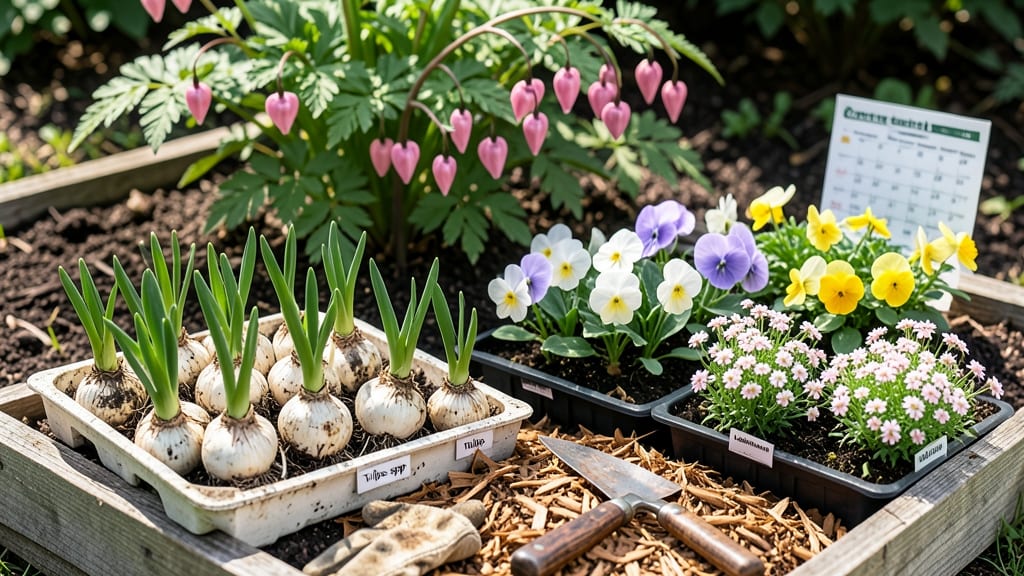
Planting flowers in New Hampshire isn’t just about picking the right varieties—it’s about timing them perfectly to beat the frost and make the most of your 150 frost-free days. Miss the window, and you might end up with wilted petals before they even bloom.
The key? Knowing your zone (most of NH falls in 5a-6b) and when to get those bulbs and seeds in the ground.
I’ve learned the hard way that rushing spring plantings or waiting too long for fall bloomers can leave your garden looking sparse.
But with the right strategy—like starting cool-season flowers like pansies in March or waiting until after April 15 for heat-loving marigolds—you can turn your yard into a year-round showstopper. Let’s break down the exact timing for your favorite flowers, so you never miss another planting window again.
Whether you’re a first-time gardener or a seasoned pro, NH’s climate throws a few curveballs—like sudden late frosts or rocky soil that drains too fast.
That’s why I’ll share my top tips for preparing your beds, choosing the right varieties for your microclimate (coastal vs. inland), and even when to fertilize for maximum blooms. No more guessing—just vibrant, healthy flowers from spring through fall.
Ready to transform your garden? Grab your gloves, and let’s dive into the month-by-month planting guide that’ll have your flowers thriving all season long—no frost-related disappointments included.
New Hampshire frost dates by Zone: exact planting windows for annuals & perennials
New Hampshire spans USDA Zones 3a-6a, meaning frost dates vary dramatically between northern Coos County and southern Rockingham County. The last spring frost typically arrives between April 15 and May 15, while the first fall frost hits September 15 to October 15.
These dates create your planting windows—the difference between thriving blooms and frost-killed dreams.
For cool-season flowers like pansies or snapdragons, you can plant as early as March 15 in Zone 6a or wait until April 15 in Zone 3a.
Warm-season favorites like marigolds or petunias must wait until two weeks after your last frost date—usually May 1 in southern NH or June 1 in the north.
Pro Tip: Use the NH Frost Date Calculator (linked below) to pinpoint your exact dates. For 2024, average last frost dates shifted 3-5 days earlier due to climate trends—so plan accordingly!
| Zone | Avg Last Frost | Plant Cool-Season Flowers | Plant Warm-Season Flowers | First Fall Frost |
|---|---|---|---|---|
| 3a (Northern NH) | May 15 | March 20 - April 15 | June 1 - June 15 | September 20 |
| 4a (Central NH) | May 1 | March 1 - April 1 | May 15 - May 30 | October 1 |
| 5a (Southern NH) | April 15 | February 28 - March 15 | May 1 - May 15 | October 10 |
| 6a (Coastal NH) | April 1 | March 1 - March 15 | April 20 - May 1 | October 20 |
If you’re planting perennials, aim for early spring (April) or early fall (September) to give roots time to establish before winter. Bulbs like tulips should go in October, while spring-blooming bulbs (daffodils, crocuses) can be planted in fall or early spring.
For container gardens, you can extend your season by 2-3 weeks—containers warm up faster and can be moved to protected spots. Just remember: black plastic pots absorb heat and may cook roots in hot NH summers!
Use row covers or cold frames to push early plantings in Zone 3a. These tools can add 2-4 weeks to your growing season, letting you plant marigolds or zinnias by May 1 instead of June.
Always check soil temperature—most flowers need 50°F+ soil to germinate. A simple soil thermometer (under $10) saves guesswork and wasted seeds.
Microclimates matter! South-facing slopes warm up 10-14 days earlier than shaded valleys. Observe your garden’s unique patterns for 3 years to refine your planting schedule.
🌷 For real-time updates, bookmark the UNH Cooperative Extension’s NH Garden Calendar—they adjust dates yearly based on local data.
Best flowers to plant in NH by season: month-by-month planting guide
New Hampshire’s short growing season demands smart planning—planting the right flowers at the right time ensures a long, vibrant bloom season. Start with cool-season flowers like pansies and snapdragons in early spring, then transition to heat-loving annuals like marigolds and zinnias by late May.
Don’t forget fall favorites like chrysanthemums and asters for late-season color!
I’ve organized this guide by monthly planting windows, highlighting NH’s top performers. Whether you’re a beginner or seasoned gardener, these seasonal recommendations will help you maximize your garden’s potential. Pro tip: Always check your local last frost date—it varies slightly across NH’s zones!
🌱 Spring Planting (March–May)
- 🌷 March: Plant hardy bulbs (tulips, daffodils) and cool-season annuals (pansies, sweet alyssum) as soon as soil is workable. Use row covers for extra protection.
- 🌿 April: Transplant perennials (coneflowers, black-eyed Susans) and sow biennials (foxgloves, hollyhocks). Mulch to retain warmth.
- 🌸 May (after last frost): Plant warm-season annuals (petunias, geraniums) and vegetable starter plants alongside flowers for pollinator support.
☀️ Summer Planting (June–August)
- 🌻 June: Succession plant fast-growing annuals (marigolds, zinnias) every 2–3 weeks for continuous blooms. Deadhead spent flowers to encourage reblooming.
- 🌼 July: Add heat-tolerant perennials (lavender, Russian sage) and fall-blooming bulbs (crocuses, alliums) for next year’s color.
- 🍂 August: Start fall pansies and kale (yes, it’s a flower magnet!) for autumn interest. Avoid planting warm-season crops after August 15.
🍁 Fall Planting (September–October)
- 🎃 September: Plant spring-blooming bulbs (tulips, hyacinths) and hardy perennials (asters, sedum). Soil should be 60°F+ for root growth.
- 🍁 October (before first frost): Sow winter-hardy annuals (calendula, stock) and cover crops (clover) to protect soil. Mulch heavily!
For NH’s rocky soil, amend planting holes with compost or peat moss to improve drainage. Coastal areas (like Portsmouth) can plant 2–3 weeks earlier than inland zones due to milder microclimates. Always water newly planted flowers deeply after planting to reduce transplant shock.
Native NH flowers like bee balm, wild bergamot, and purple coneflower thrive with minimal care and attract pollinators. Pair them with low-maintenance annuals like marigolds (pest-repellent!) or cosmos (drought-tolerant) for a resilient, colorful garden.
🌿 Need a quick reference? Bookmark this guide and adjust based on your specific NH zone. Happy planting—your garden will thank you with months of blooms!