
Plants
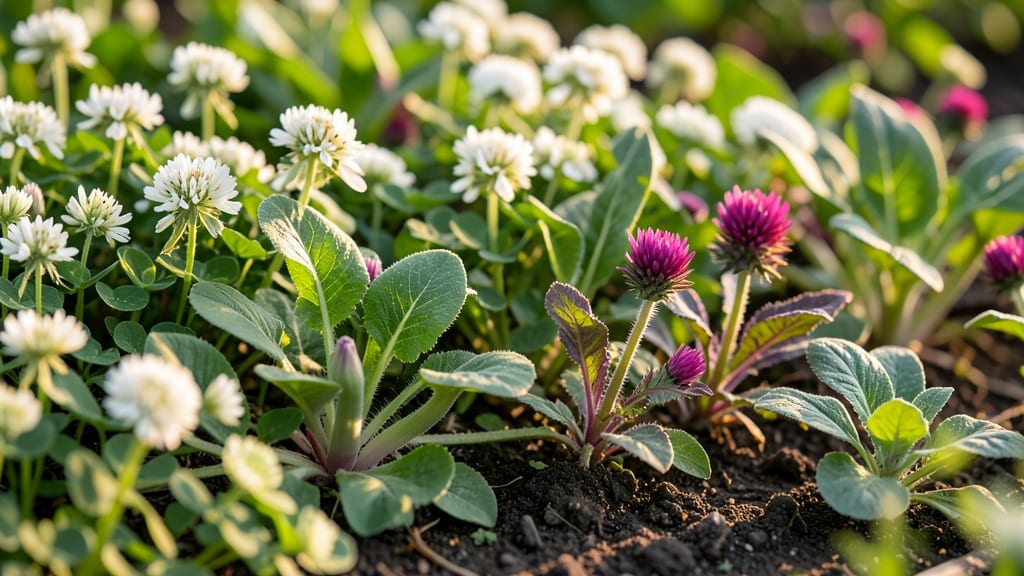
Planting food plots for deer 🦌 at the wrong time in Louisiana can mean the difference between a lush, deer-magnet plot and a patch of wasted seeds.
The best months to plant aren’t just about the calendar—they’re about soil temperatures, rainfall patterns, and deer behavior that Louisiana’s unique climate makes even more critical.
Most hunters assume spring is the only window, but in Louisiana’s 8a-9b zones, late summer to early fall (August-September) often gives you a head start on growth before winter sets in.
That’s when soil stays warm enough for seeds to germinate quickly, and deer start scouting for fresh forage as summer winds down.
What you’ll discover here are the fastest-growing planting strategies tailored to Louisiana’s heat and humidity, including which crops thrive in each window and how to time your plots for peak deer activity. No more guessing—just proven methods to turn your land into a deer destination.
Ready to skip the trial-and-error? Let’s break down the exact planting schedule, soil prep secrets, and maintenance tips that’ll have bucks browsing your plots before the first frost hits.
Louisiana food plot planting calendar: month-by-month breakdown for maximum growth
Timing your deer food plots in Louisiana isn’t just about picking a month—it’s about matching soil temperatures, rainfall patterns, and deer behavior to your region’s unique climate zones.
Whether you're in North Louisiana’s cooler hills or South Louisiana’s humid swamps, the right window can mean the difference between a lush plot and wasted seeds. Let’s break down the best planting months for clover, brassicas, chicory, and warm-season mixes.
Louisiana’s USDA zones 8a–9b offer two prime planting windows: late winter/early spring for cool-season crops and late summer/early fall for warm-season mixes. The key is planting when soil temps hit 55°F–65°F for cool-season crops and 70°F+ for warm-season varieties.
Rainfall also plays a critical role—too much moisture can drown seeds, while drought can stunt growth.
| Month | Best Crops | Soil Temp (°F) | Rainfall Needs | Deer Activity |
|---|---|---|---|---|
| January | Winter rye, wheat | 45–55°F | Moderate | High (pre-rut) |
| February | Clover, brassicas | 55–65°F | Consistent | Very High |
| March | Chicory, alfalfa | 60–70°F | Moderate | High |
| April | Warm-season mixes | 70–80°F | Low (dry season) | Moderate |
| August | Sorghum, millet | 75–85°F | High (hurricane season) | Low (summer slump) |
| September | Clover, turnips | 65–75°F | Moderate | Very High (rut season) |
For North Louisiana, focus on February–March for cool-season crops like clover and brassicas. The soil warms quickly in this region, so don’t wait until late March—plant by mid-February to avoid spring drought.
In Central Louisiana, you’ve got a slightly longer window, but aim for late February to early April to align with deer’s spring food needs.
In South Louisiana, humidity and hurricane risks shift the ideal window to late August–early September for warm-season mixes like sorghum and millet. These crops thrive in high heat and humidity and provide late-season forage when deer are preparing for the rut. Always monitor weather forecasts—plant
Best food plot crops for Louisiana deer hunting: fast-growing vs. long-term options
Choosing the right crops for your Louisiana food plots depends on whether you want fast growth for early-season hunting or long-term forage to sustain deer through winter.
The humid climate and long growing season give you options like clover mixes, brassicas, and warm-season grasses—each with unique benefits for deer attraction and plot longevity.
For fast-growing plots, winter peas and cereal rye are top picks—they establish quickly in cool-season months (September–November) and provide high-protein forage just in time for the fall hunting season. These crops thrive in Louisiana’s mild winters and can be planted as late as mid-October in most zones.
| Crop Type | Growth Speed | Deer Attraction | Louisiana Suitability |
|---|---|---|---|
| Winter Peas | 30–45 days | ⭐⭐⭐⭐ (High protein) | Excellent (cool-season) |
| Cereal Rye | 45–60 days | ⭐⭐⭐⭐ (Winter forage) | Best for North/Central LA |
| Chicory | 60–90 days | ⭐⭐⭐ (Late-season draw) | Thrives in heat/humidity |
| Sorghum-Sudangrass | 30–40 days | ⭐⭐⭐ (Summer forage) | Ideal for South LA |
| Clover Mixes | 45–60 days | ⭐⭐⭐⭐ (Year-round appeal) | Best for Central/South LA |
If you’re aiming for long-term forage, clover mixes and chicory are unbeatable. Clover establishes in 60–90 days and provides year-round green-up, while chicory thrives in Louisiana’s heat and humidity—making it a late-season powerhouse.
For summer plots, sorghum-sudangrass grows in just 30–40 days and handles the tropical heat of Southern Louisiana.
Pro tip: Mix fast-growing crops (like peas) with long-term staples (like clover) to create a multi-season plot. This strategy ensures deer have food from fall through spring, even during Louisiana’s unpredictable weather.
Always test your soil pH (aim for 6.0–7.0) before planting—acidic soil can stunt growth in brassicas and legumes.
For Southern Louisiana (zones 8b–9a), focus on heat-tolerant crops like chicory and sorghum, while Northern Louisiana (zone 7b) benefits from cool-season rye and winter peas. Adjust planting dates based on your last frost date—typically mid-February in most areas.
Remember, deer prefer diverse forage. Rotate crops yearly to prevent soil depletion and pest buildup. A well-planned mix of fast and slow-growing crops will keep your Louisiana food plots productive and irresistible to deer all season long. 🦌🌱