
Trees
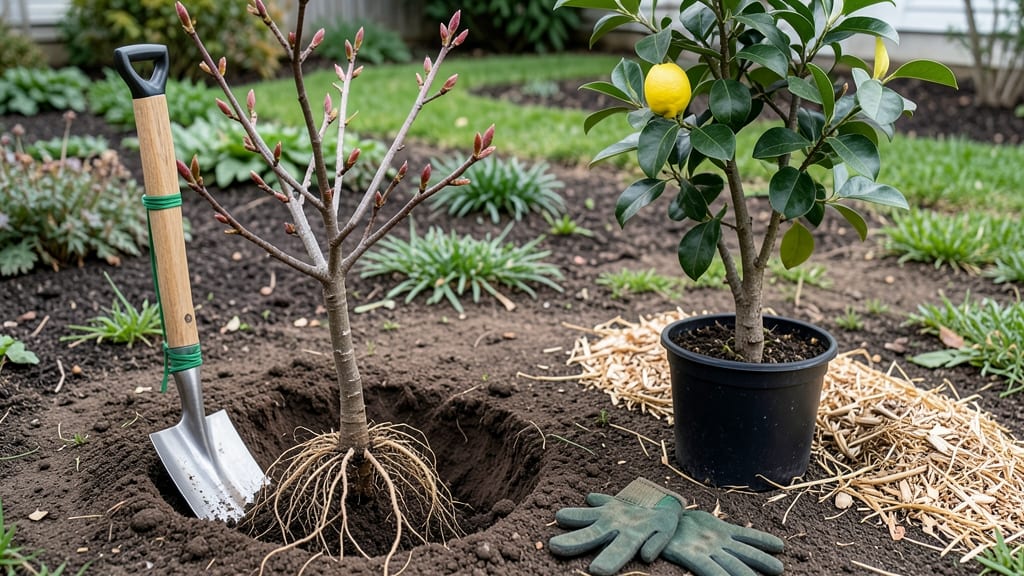
Planting your fruit trees 🍎 at the wrong time in California could mean the difference between a thriving orchard and years of disappointment—especially when microclimates vary wildly from coastal to desert regions.
With USDA zones 8-11 across the state, you can’t rely on a one-size-fits-all schedule. Coastal areas like San Diego might have frost-free winters, while inland valleys face sudden cold snaps.
That’s why understanding the ideal planting window—whether it’s late winter for bare-root trees or spring for container-grown varieties—is the key to success.
I’ve broken down the best months for each region, including how to prepare soil, choose the right tree type, and avoid common mistakes that kill young fruit trees before they even take root.
Ready to plant with confidence? Let’s dive into the secrets that will help your trees grow strong and fruit abundantly—no matter where you are in California.
California’s best planting zones by microclimate (frost-free guarantees)
California’s microclimates are legendary—from the cool coastal fog of San Francisco to the scorching desert heat of Palm Springs. But these same conditions dictate the perfect planting window for your fruit trees. Plant too early, and a late frost could kill your young sapling.
Plant too late, and summer droughts will stunt growth before roots establish. Here’s how to nail the timing for every region.
Your first step? Identify your USDA zone and local frost dates. Most of California falls between USDA Zones 8-11, but even within a single county, elevation and proximity to water can shift your planting window by weeks.
For example, Zone 8 (like parts of the Central Valley or desert foothills) faces frost risks until mid-March, while Zone 11 (Southern California coastal areas) has zero frost risk year-round.
🌱
For stone fruits like peaches and plums, aim to plant 4-6 weeks before your last frost date. These trees need time to establish roots before spring flushes growth. Citrus trees, on the other hand, thrive when planted in late fall or winter (November–February) to avoid summer heat stress.
In Zone 11, you can plant citrus year-round, but spring and fall are ideal.
If you’re in the Central Valley, where nights can still dip below freezing into March, opt for dormant-season planting (November–February). This gives roots time to knit before the heat of summer.
Meanwhile, coastal gardeners in Zone 10-11 can plant container-grown trees anytime, but early spring (March) is best for bare-root varieties.
Pro tip: Check your local Cooperative Extension office for hyper-local frost data. For example, Sacramento’s last frost often hits 2 weeks later than nearby foothills. A 5°F difference can mean the difference between a thriving tree and a frost bite.
🌿
Don’t overlook elevation adjustments. A 1,000-foot climb can drop you a full USDA zone. For instance, Los Angeles coastal areas (Zone 10) might support citrus, while nearby mountain slopes (Zone 8) require cold-hardy varieties like figs or pomegranates.
Always match your tree variety to your microclimate’s extremes, not just averages.
Finally, avoid planting during heatwaves. Even in Zone 11, temperatures above 90°F can shock young roots. If you miss the ideal window, wait until fall rains return (typically October–November) to plant bare-root trees.
☀️
How to time planting for maximum root establishment before summer heat
California’s summer heat can turn your newly planted fruit trees into crispy reminders of poor timing. To avoid this fate, focus on establishing strong roots before the mercury climbs.
The key is planting 4-6 weeks before your region’s typical summer drought begins—usually by late February to early April in most zones.
For bare-root trees, this means winter planting (December–February) in cooler areas like the Central Valley (Zone 9-10). In Southern California (Zone 10-11), you can plant container-grown trees almost year-round, but aim for spring (March–April) to give roots time to adapt before summer.
I recommend testing soil moisture before planting. Dig a 12-inch hole and check drainage—if water pools, amend with compost or sand. Slow-draining soil equals root rot risk, especially in coastal foggy zones where summer drought meets winter wetness.
⚠️ Warning: Summer Planting Disaster
Planting in May or later without deep watering leads to transplant shock. Young roots can’t reach moisture in dry soil, causing wilting within 2-3 weeks. Even drought-tolerant varieties like figs or pomegranates need 6+ weeks to establish before summer heat.
🌡️ Pro Tip: Use a soil moisture meter—roots need consistent dampness (not soggy) for the first 3 months.
Mulching is non-negotiable. Apply 3-4 inches of wood chips or straw around the base (but keep it 6 inches away from the trunk to prevent rot). This retains 30% more moisture and regulates soil temperature—critical in desert regions like the Coachella Valley where daytime temps hit 100°F+.
Drip irrigation is your best friend. Set up a slow-release system delivering 1-2 gallons per day for young trees. Run it early morning to reduce evaporation and fungal risks. Avoid overhead sprinklers—they waste water and spread disease in humid coastal areas.
Finally, avoid fertilizing until roots are established (usually 6-8 weeks post-planting). A low-nitrogen starter fertilizer (like 5-5-5) helps, but too much early on burns tender roots. Focus on water + mulch first—your tree’s survival depends on it.