
Planting
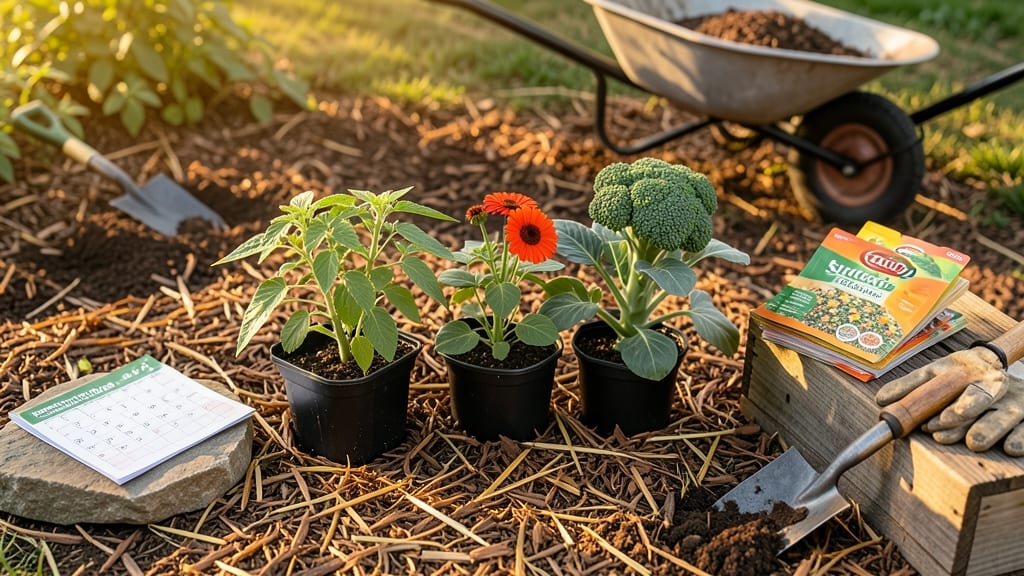
Planting your garden in Tennessee at the wrong time can mean the difference between a bountiful harvest and a sad pile of wilted 🌱 leaves—especially with our unpredictable spring weather. The key to success lies in timing your seeds and transplants perfectly, whether you're growing tomatoes, peppers, or native wildflowers.
Most Tennessee gardeners in zones 6a-7b know the average last frost date is around March 15, but that doesn’t mean you should rush outside with your trowel.
Cool-season crops like spinach and broccoli need to go in 4-6 weeks before that date, while warm-season favorites like peppers and cucumbers should wait until 2-3 weeks after the frost has passed.
What many gardeners overlook is how Tennessee’s microclimates—from Nashville’s urban heat islands to the cooler mountain valleys—can shift planting windows by 2-3 weeks. I’ll break down the exact dates for your region, plus how to use row covers and succession planting to stretch your growing season.
Ready to avoid frost damage and maximize your yield? Let’s dive into the proven planting schedule that’s worked for Tennessee gardeners for years—no guesswork required.
Tennessee planting calendar by USDA Zone: exact dates for vegetables
Tennessee spans USDA zones 6a through 8a, creating distinct planting windows across the state. In Zone 6a (eastern highlands), your last frost typically arrives around April 15, while Zone 8a (Memphis area) sees frost-free conditions by March 1.
These differences mean tomatoes planted in March in Nashville may fail in Chattanooga’s cooler microclimate.
For cool-season crops like spinach and broccoli, start seeds indoors 4-6 weeks before your last frost date. In most of Tennessee, this means February for Zone 8a and March for Zone 6a.
Transplant seedlings outdoors 2-3 weeks before last frost—typically late February to early April depending on location.
Warm-season crops such as peppers and cucumbers require soil temperatures above 60°F. Wait until 2-3 weeks after last frost—usually mid-April to early May—to plant these heat-lovers. In Zone 6a, this may extend to late May due to later frost dates.
Here’s how to align your planting with Tennessee’s zones for maximum success:
| USDA Zone | Last Frost Date | Cool-Season Start (Indoors) | Warm-Season Start (Outdoors) | Key Crops |
|---|---|---|---|---|
| 6a (East TN) | April 15 | March 1 | May 1 | Spinach, Broccoli, Peas |
| 6b (Middle TN) | April 1 | February 15 | April 15 | Lettuce, Kale, Tomatoes |
| 7a (West TN) | March 15 | January 30 | March 30 | Peppers, Cucumbers, Okra |
| 7b (Southwest TN) | March 1 | January 15 | March 15 | Sweet Potatoes, Eggplant |
| 8a (Memphis) | February 15 | December 15 | February 28 | Tomatoes, Peppers, Basil |
For year-round harvests, focus on Swiss chard and kale, which tolerate light frosts. Plant these every 2-3 weeks from February to September for continuous yields. In Zone 8a, you can even grow winter lettuce until December with row covers.
Pro tip: Use soil thermometers to confirm warmth before planting warm-season crops. Soil must stay above 60°F for 10+ days—a critical factor in Tennessee’s unpredictable spring weather. In Zone 6a, this often means waiting until late May for heat-sensitive plants like eggplant.
Don’t overlook fall planting! Tennessee’s mild winters allow broccoli and carrots to thrive when sown in August. Aim for harvests before first frost (November 15). In Zone 8a, you can extend this to December with protective covers.
Remember: Microclimates matter. A south-facing slope in Nashville may warm up 2 weeks earlier than a valley garden in Knoxville. Adjust your timeline based on your specific location’s frost history.
🌱
How to adjust planting times for Tennessee’s microclimates
Tennessee’s geography creates microclimates that can shift planting times by weeks—even within the same city! For example, Nashville’s urban areas can be 5-10°F warmer than rural counties, while mountain valleys like those near Great Smoky Mountains experience later springs and earlier falls.
Understanding these variations helps you avoid frost damage or stunted growth.
Urban gardens often face the heat island effect, where asphalt and buildings trap warmth. This means warm-season crops like tomatoes and peppers can be planted 1-2 weeks earlier in cities.
Conversely, high-elevation areas (like USDA Zone 6a in the Cumberland Plateau) may need to wait until April 15 or later for warm-season starts.
🌱 Callout Warning:
For mountain regions (e.g., Chattanooga or Knoxville), aim to plant cool-season crops like broccoli and spinach by February 15—but use row covers to protect seedlings if frost threatens.
In West Tennessee’s subtropical zones (like Memphis), you can extend your growing season by planting fall crops as late as September 15.
Succession planting is your secret weapon for microclimates. For instance, in Nashville’s Zone 7a, sow radishes every 2 weeks from March to September to ensure continuous harvests. Use cold frames in cooler microclimates to start warm-season crops indoors 4-6 weeks before the last frost.
Pro tip: Monitor your local weather station data (like NOAA’s Climate Normals) for 10-year averages of frost dates. In East Tennessee’s valleys, the last frost might average March 20, while nearby ridges could see frost until April 5. Adjust your schedule accordingly!
🌿 Even small adjustments—like planting peppers in a south-facing raised bed (which warms up faster) or choosing shade-tolerant varieties for north-facing gardens—can boost yields by 30-50%. Test different spots in your yard this year to map your microclimates!