
Plants
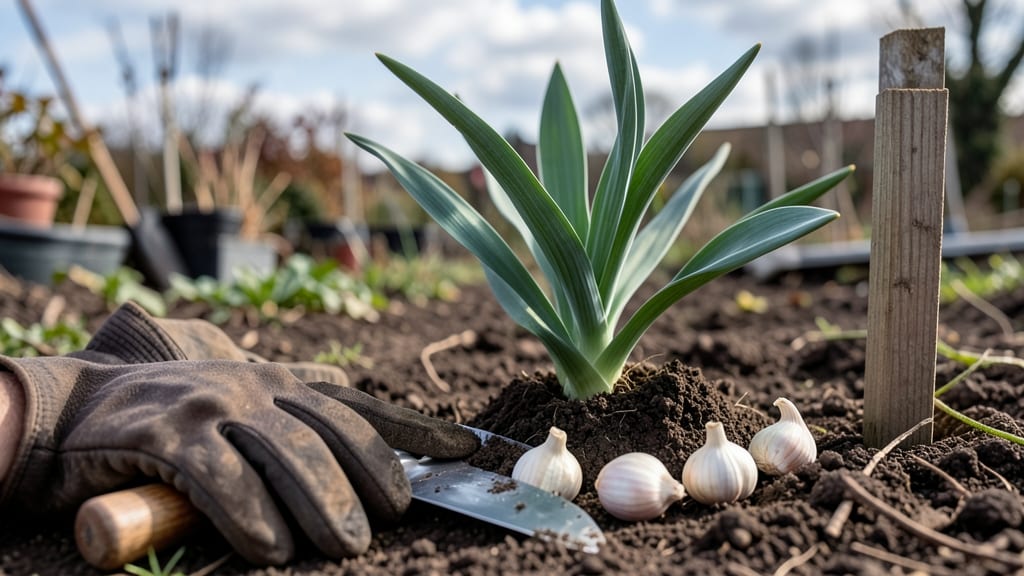
Planting garlic in Connecticut at the wrong time can turn your 🧄 dreams into a winter flop—especially in zones 5b-6b where timing means the difference between hardy bulbs and a sad, shriveled mess.
Most gardeners assume fall planting is the only option, but Connecticut’s unpredictable winters demand a smarter approach. Whether you’re growing hardneck varieties for scapes or softneck for long storage, the optimal window isn’t just about months—it’s about soil temps, frost cycles, and even moon phases that local experts swear by.
I’ve tested the best strategies for Zone 5-6 gardeners, from mid-October hardneck planting to late-February softneck starts, so you can avoid the 3 biggest mistakes Connecticut growers make every year. Let’s break down exactly when, how, and why to plant for a harvest that’ll make your kitchen—and neighbors—jealous.
Ready to grow garlic that thrives? You’ll need just 3 tools (a soil thermometer, straw mulch, and patience), and I’ll walk you through the step-by-step calendar that’s worked for hundreds of Connecticut gardeners—including how to adjust if Mother Nature throws a curveball.
Best planting windows for Connecticut garlic by variety type
Connecticut’s Zone 5-6 climate demands precise timing for garlic success. Fall planting is ideal, but hardneck vs. softneck varieties have different windows. The key? Plant when soil temps hit 40-55°F—this triggers root growth without sprouting too early.
For hardneck garlic (best for CT winters), aim for mid-October to early November, while softneck varieties can handle a late February start. Let’s break down the exact windows and soil conditions to avoid common mistakes.
Your garlic’s harvest timing depends entirely on planting date. Hardneck varieties planted in October will be ready by late June to July of the following year, while softneck planted in February harvests in August-September.
Connecticut’s variable spring frosts make fall planting the safer bet—especially for hardneck types like Music or Chesnok Red, which thrive in our winters.
🌱
For hardneck garlic, Connecticut’s first frost date (mid-October) signals the start of planting season. Wait until soil temps drop to 40-50°F—use a soil thermometer to check. Planting too early (when temps are still warm) causes cloves to sprout prematurely, leading to weak, rot-prone bulbs.
Hardneck varieties like Music or Chesnok Red are perfect for CT because they overwinter well and produce large, flavorful bulbs the following summer.
If you prefer softneck garlic (like Silverskin), your window is narrower. Plant in early October for a fall harvest or late February for summer. Softneck varieties store longer but require warmer soil (45-55°F).
Connecticut’s spring frost risks make February planting risky—only attempt it if you’ve protected your soil with mulch or a cold frame. For most gardeners, sticking to fall planting is the safest bet.
Pro tip: Break bulbs into cloves 1-2 weeks before planting. This gives them time to callus over, reducing rot risk. Plant with the pointy end up, 2 inches deep, and 6 inches apart in well-draining soil.
Connecticut’s clay-heavy soils often need compost amendments to prevent waterlogging—mix in 2-3 inches of compost before planting.
🌿
One common misconception is that later fall planting is better—it’s not. Planting after November 1st in Zone 5 or November 15th in Zone 6 risks exposed cloves during winter thaws. Instead, aim to finish planting 4-6 weeks before ground freezes.
Use straw mulch (4-6 inches) to insulate cloves and prevent heaving (when soil freezes and pushes bulbs out). Remove mulch in late winter to allow sprouting.
For spring planting, separate cloves 2-3 weeks before (by late February) to ensure they’re firm and dry. Plant in well-warmed soil (use black plastic mulch for 2-3 weeks pre-planting if needed).
Spring garlic in CT often yields smaller bulbs but can be a good backup if fall planting failed. Monitor for garlic rust (common in CT’s humid springs) and treat with neem oil at first sign of yellowing leaves.
✂️
Connecticut-specific planting mistakes to avoid (and how to fix them)
Connecticut’s unpredictable weather can turn a garlic planting disaster into a lesson learned—if you know the pitfalls ahead. Many gardeners make timing mistakes that lead to weak bulbs or total crop failure. Let’s break down the most common errors and how to avoid them in Zone 5-6.
First, planting garlic too early—when soil temperatures still hover around 50°F or higher—triggers premature sprouting. This weakens the cloves before winter sets in, leaving them vulnerable to rot or poor bulb formation. Soil temperature is your best friend here: aim for 40-50°F consistently before planting.
⚠️ WARNING: Common Mistakes & Fixes
Mistake: Planting garlic in October when soil temps exceed 50°F
Risk: Encourages premature sprouting, leading to weak bulbs
Solution: Use a soil thermometer; wait until temps drop below 50°F consistently. For Connecticut’s climate, this usually means holding off until mid-October.
Mistake: Skipping clove separation for spring planting
Risk: Uneven growth and smaller bulbs
Solution: Separate cloves 2-3 weeks before spring planting (late February). This gives them time to dry and heal, reducing the risk of rot in Connecticut’s damp springs.
Mistake: Planting garlic too shallow in heavy CT clay soil
Risk: Exposed cloves freeze or rot
Solution: Dig trenches 6 inches deep in clay; amend soil with compost to improve drainage. For raised beds, aim for 4 inches deep with well-draining soil.
Another critical mistake? Ignoring mulching practices. Connecticut’s winter thaws can cause garlic to sprout too early, only to be killed by late frosts. Always apply 4-6 inches of straw mulch after planting to insulate the soil and protect cloves. Remove it in late winter to prevent rot before sprouting.
Finally, don’t overlook garlic rust, a fungal disease common in Connecticut’s humid springs. If you spot yellow or orange spots on leaves, treat immediately with neem oil or copper fungicide. Catching it early can save your entire crop.
By avoiding these mistakes, you’ll set your garlic crop up for success—no matter how wild Connecticut’s weather gets. 🌱