
Plants
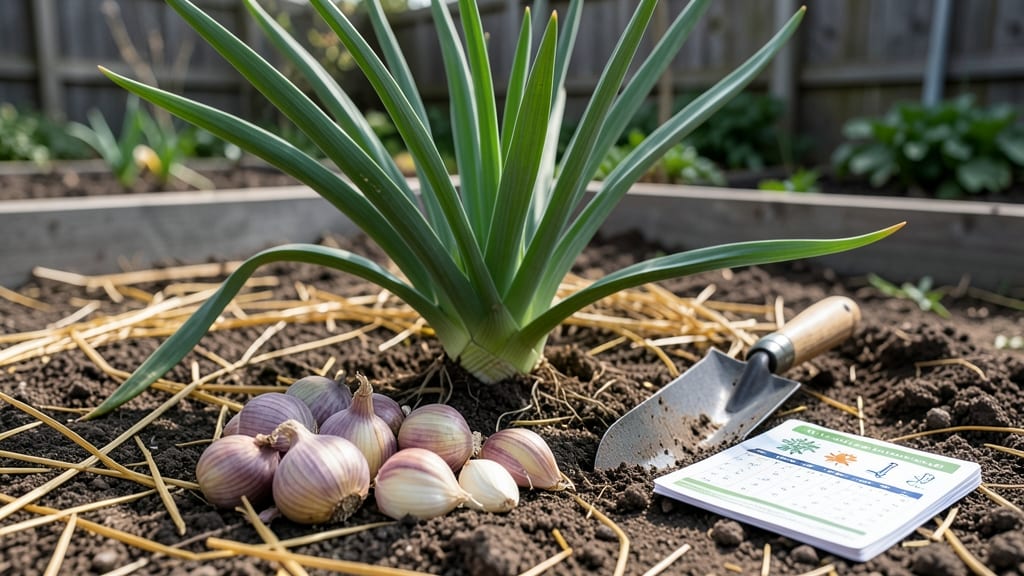
Planting garlic in Virginia at the wrong time could mean the difference between a bountiful harvest of plump 🧄 bulbs and a disappointing flop. With Virginia's 7a-8a climate, timing isn't just about seasons—it's about understanding when hardneck varieties need that cold snap versus when softnecks prefer milder starts.
Most Virginia gardeners know fall is the prime window, but did you know planting too early in October can expose your cloves to frost before they establish roots?
Or that spring planting in March only works for certain varieties? The key lies in soil temperatures and first frost dates—both of which vary dramatically across the state.
In this guide, I'll break down the exact planting windows for your Virginia zone, whether you're growing hardneck garlic for robust stalks or softneck for long-term storage.
You'll learn how to adjust for your specific microclimate, from the Shenandoah Valley to coastal areas, and avoid the 5 biggest mistakes that derail Virginia garlic crops every year.
Ready to grow garlic that rivals the best farmers' markets? Let's get your cloves in the ground at the perfect moment—so you can harvest flavorful bulbs by next summer. The secret starts with knowing when to plant.
Virginia garlic planting calendar: hardneck vs softneck timing differences
Virginia’s 7a-8a climate creates a unique challenge for garlic growers: hardneck varieties need cold winters to form bulbs, while softnecks prefer milder starts. The ideal planting window shifts based on your zone and whether you’re growing for flavor (hardneck) or storage (softneck).
Most Virginia gardeners plant in fall (October-November), but spring planting in early March works for softnecks in warmer zones like 7b-8a.
Hardneck garlic thrives in Virginia’s cooler zones (4-6) and requires 4-6 weeks of cold exposure before spring growth. Softnecks, like Silverskin, adapt better to milder winters (zones 7-8) and can handle spring planting. The key? Soil temperatures must be below 50°F (10°C) at planting time to prevent rot.
Here’s how to align your planting with Virginia’s frost dates:
| Variety Type | Best Planting Window | Soil Temp Requirement | Frost Considerations | Harvest Month |
|---|---|---|---|---|
| Hardneck (e.g., Music, German White) | October 1–31 (Zones 4-6) November 1–15 (Zones 7-8) |
40–50°F (4–10°C) | Needs 4-6 weeks of cold before spring growth | Late June–July |
| Softneck (e.g., Artichoke, Silverskin) | October 15–November 15 (Zones 7-8) OR Early March (Zones 7b-8a) |
45–55°F (7–13°C) | Tolerates milder winters; spring planting possible | July–August |
For Zone 4-6 gardeners (e.g., Shenandoah Valley), aim to plant hardneck garlic by October 15 to ensure roots establish before the first frost (typically mid-November).
In Zone 7-8 (e.g., Richmond, Hampton Roads), you have flexibility: plant softnecks in late October or try spring planting in early March for a summer harvest.
Pro tip: Use a soil thermometer to confirm temperatures. If soil stays above 50°F (10°C) for more than a week, delay planting to avoid rot. Mulch with straw or leaves after planting to insulate cloves through winter.
Spring planting in Virginia is risky for hardnecks but works for softnecks. If you try it, plant by March 15 to avoid summer heat stress. Hardnecks planted in spring may produce smaller bulbs or bolt prematurely.
Remember: Harvest timing depends on variety. Hardnecks mature in 240 days, while softnecks take 300 days. Start tracking growth in late May to plan your harvest window.
🌱
5 Critical factors that determine your Virginia garlic planting window
Virginia’s diverse climate—from the cool mountains of the Shenandoah Valley to the warmer coastal plains of Hampton Roads—means your garlic planting window depends on more than just the calendar.
Five key factors can shift your ideal planting date by weeks. Understanding these will help you avoid common pitfalls like frost damage or poor bulb formation.
The first factor is your USDA zone. Virginia spans zones 4-8, and hardneck garlic in Zone 4 (like in the Blue Ridge) needs a 6-week cold period, while softnecks in Zone 8 (like in Norfolk) can handle milder winters.
A simple rule: the cooler your zone, the earlier you plant.
Here’s how these factors impact your timing:
- 🌡️ Soil Temperature: Plant when soil is 40-50°F (4-10°C). Use a thermometer—warmer soil speeds up sprouting but risks rot.
- ❄️ First Frost Date: Aim to plant 4-6 weeks before frost. In Zone 7b, this is usually October 15; in Zone 4, it’s September 20.
- 🏔️ Elevation: Higher elevations (e.g., Roanoke) freeze earlier. Adjust planting 2-3 weeks earlier than coastal areas.
- 🌱 Variety Type: Hardnecks (like German Red) need cold; softnecks (like California Early) tolerate milder starts.
- 💧 Soil Drainage: Heavy clay? Plant 1-2 weeks later to let soil cool. Sandy soil? Plant earlier to avoid drying out.
For example, if you’re in Zone 7a (Richmond), your ideal window is October 15–November 1. But if you’re in Zone 4 (Blacksburg), plant by September 30 to ensure roots establish before frost.
Microclimates matter too—gardens near large bodies of water (like Lake Anna) may stay warmer longer, delaying planting by a week.
Another game-changer is organic vs. conventional growing. Organic gardeners often plant 2 weeks earlier to avoid synthetic fertilizers that can delay bulb maturation. Instead, they focus on compost-rich soil and mulching to insulate cloves naturally.
Finally, don’t overlook last year’s harvest timing. If you harvested garlic in late July last year, your soil may still be warm in early October. Wait until soil cools to 50°F (10°C)—usually mid-October in most of Virginia.
🌱