
Plants
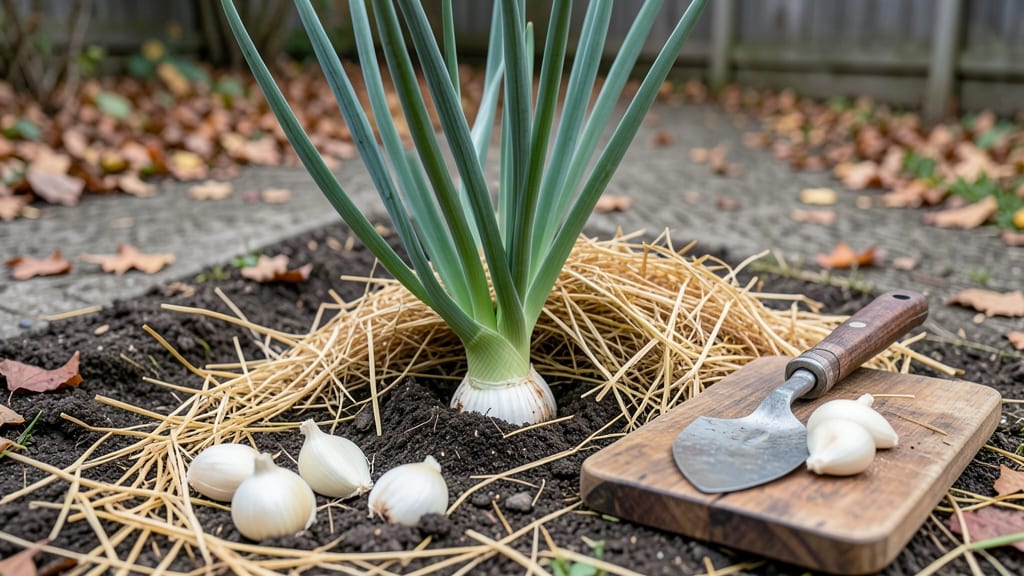
Planting garlic in West Virginia at the wrong time means spending months waiting for bulbs that may never fully mature—or worse, freezing solid before they even sprout. The key to growing bold, flavorful 🧄 in WV’s Zone 6a climate?
Timing it right between October and November, when the soil cools but before the ground locks up for winter.
Unlike many crops, garlic thrives on cold—it needs those chilly WV winters to form proper bulbs. But rush it, and you’ll end up with weak, pithy cloves. Get it just right, though, and you’ll harvest plump, papery-skinned garlic by late June or July, ready for braiding or braising.
The secret lies in understanding your local frost dates and soil conditions.
I’ve tested this schedule for years in WV’s variable climate, and what works here won’t always apply to other regions.
Whether you’re a first-time grower or a seasoned gardener tweaking your routine, this guide breaks down the exact windows, soil prep tricks, and cold-hardy varieties that guarantee success—even when Mother Nature throws a curveball.
Ready to grow garlic that survives WV’s winters and rewards you with harvests worth bragging about? Let’s dive into the climate-smart schedule that’ll turn your garden into a garlic powerhouse.
Best planting windows for West Virginia garlic: month-by-month frost-proof guide
West Virginia’s Zone 6-7 climate demands precise timing for garlic planting—too early and cloves rot, too late and bulbs won’t mature. The ideal window spans October through November, when soil temps hover between 40°F and 50°F.
This gives garlic roots time to establish before winter dormancy while avoiding spring planting risks.
Northern WV (e.g., Morgantown, Elkins) has earlier frost dates (mid-October), so aim for late September to early October planting. Southern regions (e.g., Charleston, Huntington) can plant slightly later—October 15 to November 1—thanks to delayed frosts. Always plant 4-6 weeks before ground freeze for best results.
Check your local USDA hardiness zone for fine-tuning. Zone 6a (northern WV) needs earlier planting, while Zone 7a (southern WV) has flexibility until November 15. Use the WVU Extension frost calendar as your guide—it’s updated annually with real-time data.
Missed the fall window? Spring planting is risky in WV but possible if you use green garlic varieties (harvest before bulbing). Plant in March or early April, but expect smaller bulbs and higher disease pressure.
For best flavor and yield, stick to fall planting—it’s the only reliable method for full-sized garlic.
Hardneck varieties (like ‘Music’ or ‘German White’) need cold vernalization to form bulbs, so they must be planted in fall. Softnecks (e.g., ‘Silverskin’) can handle late fall or even early spring, but they’ll bolt faster in WV’s heat. Choose your variety based on your planting timeline.
For late starters, focus on soil protection rather than pushing dates. Use 6+ inches of straw mulch or black plastic row covers to insulate cloves through light frosts. This buys you 2-3 extra weeks of planting time in marginal zones. Just remove covers in spring to prevent overheating.
Test your soil’s drainage and pH before planting—garlic thrives in well-draining, slightly acidic soil (pH 6.0-7.0). WV’s clay-heavy soils often need amendments like compost or sand to prevent rot. Conduct a soil test through WVU Extension for localized recommendations.
Mark your calendar for harvest time (late June to July), but don’t stress exact dates. Garlic is ready when lower leaves turn brown and bulbs feel firm when gently squeezed. In WV’s humid summers, harvest before July 15 to avoid mold and softneck issues.
Protect your garlic bed with row covers in late spring if rain is forecasted. Too much moisture during bulb formation leads to split cloves and disease. A light mulch layer keeps soil moist without waterlogging—ideal for WV’s unpredictable spring showers.
How to adjust garlic planting for WV’s unpredictable weather patterns
West Virginia’s unpredictable frost dates and temperature swings can turn garlic planting into a guessing game—but with the right adjustments, you’ll still get a bountiful harvest. The key is flexible timing and protective strategies to shield your cloves from early freezes or late snows.
Unlike milder climates, WV’s Zone 6-7 requires extra care to ensure your garlic establishes roots before winter sets in.
If you’re planting in northern WV (Zone 6a), aim for mid-October to give your garlic time to root before the ground freezes. In southern WV (Zone 7a), you can stretch planting until early November.
But what if the weather throws a curveball? A 10-day buffer on either side of these dates ensures you’re not caught off guard by an early frost or a warm spell that delays planting.
🌱 Did You Know? Garlic cloves can survive light frosts once they’ve rooted, but frozen soil will kill them. Use a soil thermometer to check for 40°F soil temps—this is your green light to plant. If temps drop below freezing before your garlic roots, you’ll need to insulate the soil with mulch or a cloche.
⚠️ Warning: Late Planting Risks
Planting garlic after November 15 in WV increases the risk of small, weak bulbs or even failed harvests. If you miss the window, opt for spring-planted garlic (like ‘Silverskin’ varieties), but expect smaller yields and less flavor.
For extra protection, use straw mulch (4-6 inches) after planting to insulate the soil and prevent frost heave. In areas prone to late snows, like the Allegheny Mountains, add a lightweight row cover until spring.
This simple step can mean the difference between bold, papery-skinned bulbs and shriveled, pithy failures.
If you’re new to WV gardening, start with hardneck varieties like ‘Music’ or ‘German White’, which handle cold better than softneck types. Hardnecks also produce scape shoots in spring, giving you an early harvest bonus.
For soil prep, amend with compost to improve drainage—WV’s clay-heavy soils can lead to rot if garlic sits in soggy conditions.
Pro tip: Mark your planting dates on a garden calendar and adjust yearly based on your local frost history. Check WVU Extension’s frost maps for real-time updates, or ask fellow gardeners in your county for firsthand insights.
With these tweaks, you’ll outsmart WV’s weather and grow garlic that rivals store-bought in size, flavor, and resilience.