
Plants
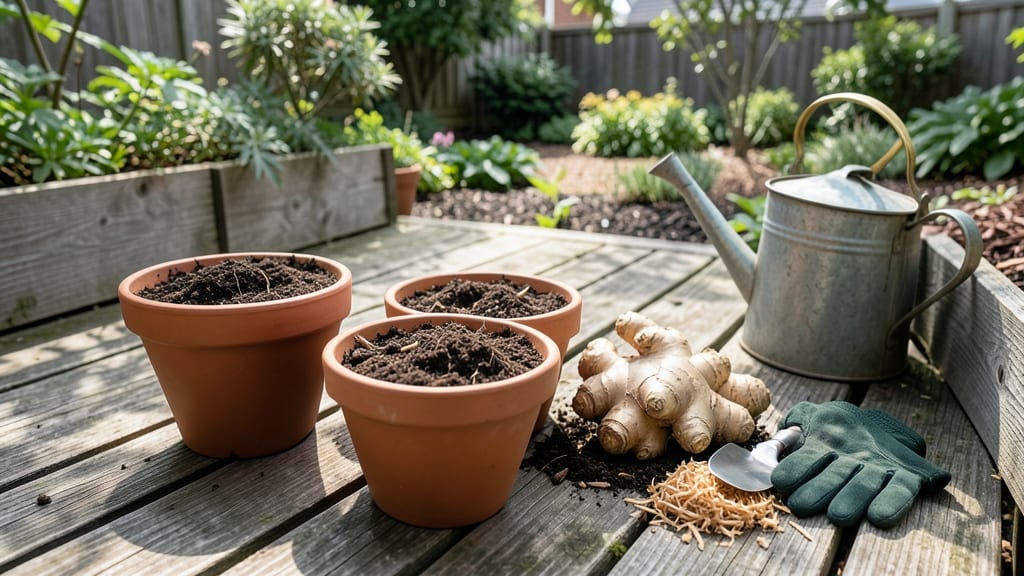
Planting ginger in California at the wrong time could mean missing out on a year-round harvest of this fragrant, versatile herb—because unlike many plants, ginger thrives when you time it just right for your microclimate.
With California’s diverse zones (8-11), from frost-free coastal areas to cooler inland valleys, the "best" month shifts dramatically. Whether you’re in Los Angeles (Zone 10) or Sacramento (Zone 9), knowing when to plant ensures your rhizomes grow lush and your harvest stays plump.
I’ve grown ginger across California’s climate zones, and the key is avoiding those late-winter chills that can stunt growth—or worse, kill your crop. In this guide, I’ll break down the exact planting windows for your region, plus pro tips for container vs. in-ground success.
Ready to grow ginger that’s bigger, healthier, and ready to harvest in 10-12 months? Let’s dive into the perfect timing for your garden.
Best months to plant ginger in California’s zero-frost zones
California’s diverse climate—from frost-free coastal areas to cooler inland valleys—means ginger rhizomes can thrive year-round, but timing matters for optimal harvests. Unlike northern climates, you won’t face frost risks in most of the state, but temperature extremes and summer drought can still affect growth.
Let’s break down the best planting windows for your region.
In coastal California (USDA Zones 10-11), like San Diego or Santa Barbara, you can plant ginger rhizomes any month. The mild, frost-free environment ensures consistent growth, but spring (March-May) and fall (September-November) offer the best balance of moisture and warmth.
Inland areas (Zones 8-9), such as Sacramento or Fresno, should aim for spring planting (March-April) to avoid summer heat stress.
For desert regions (Zone 8), like Palm Springs, focus on fall planting (October-November) to establish roots before winter rains. This mimics ginger’s natural tropical rhythms while avoiding the intense summer sun that can dry out soil too quickly.
Always check your local last frost date—though coastal areas rarely see frost, inland valleys can experience light freezes in winter.
🌱
| Region | Best Planting Months | Key Considerations |
|---|---|---|
| Coastal (Zone 10-11) | Year-round (ideal: March-May, Sep-Nov) | No frost risk; prioritize moisture retention in summer. |
| Inland Valleys (Zone 8-9) | March-April (spring) or Oct-Nov (fall) | Avoid summer planting; use mulch to retain water. |
| Desert (Zone 8) | October-November (fall) | Plant before winter rains; protect from intense sun. |
If you’re in a transition zone (e.g., Los Angeles County), aim for late winter to early spring (February-April). This gives rhizomes time to establish before summer’s dry heat kicks in.
For container gardening, you can even plant in winter months (December-February) as long as you provide consistent moisture and protect from cold snaps.
Pro tip: Use a soil thermometer to check when soil temps hit 60°F+—ginger thrives in warm soil. In cooler inland areas, wait until April to ensure roots don’t rot in chilly conditions. Container growers have more flexibility but must monitor drainage closely to prevent root rot.
🌿
Remember, ginger is a tropical plant, so it loves humidity and warmth. In California’s dry summers, supplement with weekly deep watering and organic mulch to mimic its natural habitat.
By aligning your planting with your local microclimate, you’ll maximize rhizome yield and avoid common pitfalls like stunted growth or pest issues.
For a year-round harvest, stagger plantings every 2-3 months. This way, you’ll always have fresh ginger on hand—whether you’re making teas, cooking, or sharing with neighbors! 🌱
Best months to plant ginger in California’s zero-frost zones
California’s diverse climate means ginger thrives year-round in frost-free zones like coastal areas, but inland regions need strategic timing to avoid heat stress or winter chills. Unlike northern climates, you won’t face frost damage in USDA Zones 9-11, but soil temperature and humidity levels still dictate success.
For example, Los Angeles (Zone 10) allows planting anytime, while Sacramento (Zone 9) benefits from spring or fall starts.
Ginger rhizomes grow best when soil stays between 60°F and 85°F. In coastal California, this means planting anytime—even in summer months—thanks to mild temperatures.
However, inland valleys like the Central Valley should aim for March through May or September through November to avoid extreme summer heat or winter cold snaps.
Here’s a quick regional breakdown to simplify your planting schedule:
| Region | Best Planting Months | Key Consideration |
|---|---|---|
| Coastal (e.g., LA, San Diego) | Year-round | No frost risk; mild winters |
| Inland Valleys (e.g., Sacramento, Fresno) | March-May or Sept-Nov | Avoid summer heatwaves |
| Desert (e.g., Palm Springs) | Jan-Feb or Sept-Oct | Extreme heat tolerance needed |
For coastal gardeners, January through March is ideal because cooler temps help rhizomes establish before summer’s dry heat. In contrast, inland gardeners should plant in early spring to capitalize on spring rains and avoid July-August drought stress.
Even in desert regions, planting in early fall lets ginger mature before winter’s cooler nights.
Pro tip: If you’re in a transition zone (like San Francisco Bay Area), test soil temperature with a thermometer. Ginger rhizomes won’t sprout until soil hits 60°F, so wait until late winter if planting in January.
Container growers have more flexibility—they can move pots to shadier spots during peak summer heat.
Remember, ginger is a tropical plant, so humidity matters. Coastal areas naturally provide it, but inland gardeners may need to mulch heavily or use drip irrigation to mimic tropical conditions. This small adjustment can mean the difference between a bountiful harvest and stunted growth.
🌱