
How To
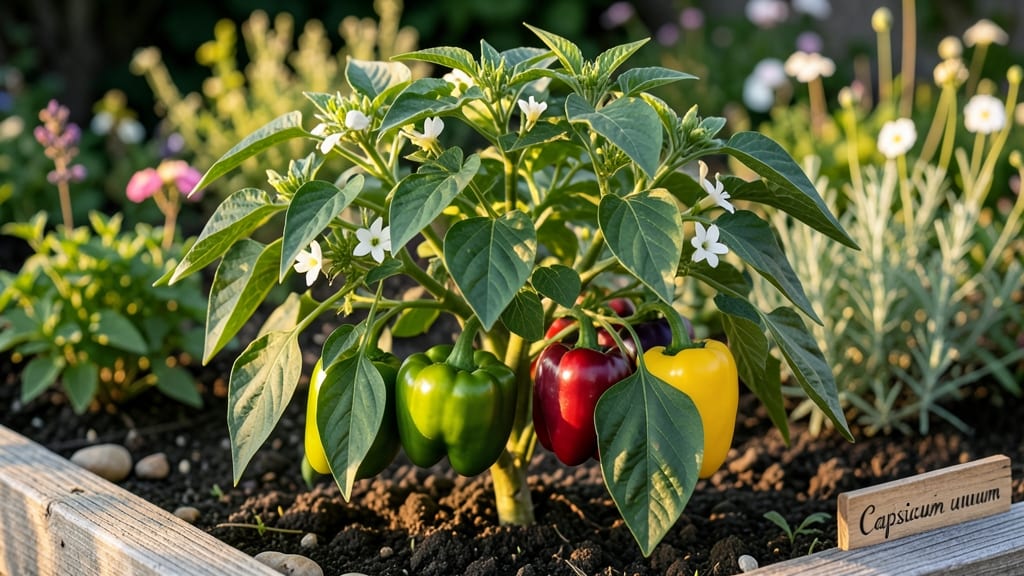
Wondering how tall your bell pepper plants will grow and whether they’ll fit in your small garden? The answer depends on the variety you choose, but most standard 🌶️ bell peppers reach heights of 2 to 3 feet, while some can stretch up to 4 feet if left unchecked.
If space is tight, don’t worry—there are compact varieties that stay under 2 feet tall, perfect for containers or tight garden beds. The key to managing height lies in selecting the right type and giving your plants a little guidance, like pruning or trellising.
In this guide, I’ll break down the typical height ranges for common bell pepper varieties and share practical tips for keeping them in check. Whether you’re working with a balcony garden or a small backyard plot, you’ll learn how to maximize your harvest without sacrificing space.
Ready to grow more peppers in less space? Let’s dive into the varieties and techniques that make it possible—starting with the best options for small gardens.


Standard bell pepper plant heights: what to expect by variety
When planning your bell pepper garden, knowing how tall bell pepper plants grow helps you choose the right varieties and spacing. Most bell peppers fall into three height categories: dwarf, semi-dwarf, and standard.
Each type has unique spacing needs and growth habits that impact your harvest. Understanding these differences ensures you maximize your garden space while giving your plants room to thrive.
Standard bell pepper varieties typically reach heights between 3 to 4 feet, making them ideal for larger gardens or raised beds. These plants have a bushy, upright growth habit and require adequate spacing to prevent overcrowding.
If you're working with limited space, dwarf varieties—ranging from 1 to 2 feet tall—are perfect for containers or small garden plots. Semi-dwarf varieties strike a balance at 2 to 3 feet, offering a compromise between yield and space efficiency.
Here’s a quick comparison to help you visualize how these heights translate into real-world spacing needs. The table below breaks down common varieties by height, spacing, and growth habits, so you can pick the best fit for your garden layout.
| Variety Type | Mature Height | Spacing Needs | Growth Habit | Best For |
|---|---|---|---|---|
| Dwarf Varieties | 1–2 ft | 12–18 inches apart | Compact, bushy | Containers, small gardens |
| Semi-Dwarf Varieties | 2–3 ft | 18–24 inches apart | Upright, moderate bushiness | Raised beds, small plots |
| Standard Varieties | 3–4 ft | 24–36 inches apart | Tall, bushy | Large gardens, in-ground |
Growth habits play a critical role in determining how much space your bell peppers need. Standard varieties, like 'California Wonder' or 'King of the North,' grow tall and bushy, requiring 24–36 inches of space between plants. These varieties are perfect for larger gardens but may struggle in containers.
On the other hand, dwarf varieties, such as 'Snackable' or 'Pico de Gallo,' stay under 2 feet tall and thrive in 5-gallon containers or small garden plots.
If you're growing bell peppers in containers, prioritize dwarf or semi-dwarf varieties to avoid root-bound issues. Containers limit root growth, so taller varieties may become stunted or produce fewer peppers. For in-ground planting, standard varieties excel when given enough space to spread out.
Always check the specific variety’s tag for exact height and spacing recommendations, as some hybrids may vary slightly from the averages.
Another factor affecting height is pruning and training. Even standard varieties can be encouraged to grow vertically with stakes or cages, reducing their footprint. Pruning suckers (the small shoots that form in the leaf axils) can also redirect energy toward fruit production rather than excessive foliage.
This technique is especially useful in small gardens where space is at a premium. Just be sure to prune early in the morning to allow wounds to heal quickly and reduce disease risk.
Sunlight also influences how tall your bell pepper plants grow. Full sun exposure (6–8 hours daily) promotes stronger stems and healthier growth, while shade can lead to leggy, weak plants that struggle to support their own weight.
If you're growing in partial shade, choose compact varieties that tolerate lower light conditions, such as 'Aristotle' or 'Black Beauty.' These varieties are bred to handle less sunlight while still producing abundant peppers.
Soil quality and fertility impact growth height as well. Well-draining, nutrient-rich soil encourages robust root systems, which in turn support taller growth. Amend your soil with compost before planting to provide essential nutrients like nitrogen, phosphorus, and potassium.
Avoid over-fertilizing with nitrogen, as this can lead to excessive leafy growth at the expense of fruit production. A balanced 5-10-10 fertilizer applied every 4–6 weeks during the growing season keeps plants healthy without promoting unwanted height.
When planning your garden layout, consider pairing taller varieties with shorter ones. For example, place standard bell peppers at the back of a raised bed and dwarf varieties in the front. This arrangement creates a natural tiered effect while maximizing vertical space.
If you're using containers, group plants by height to maintain a neat and organized appearance. Always leave room for airflow between plants to prevent fungal diseases like powdery mildew, which thrive in crowded, humid conditions.
Finally, don’t forget that harvest timing affects plant height. Regularly picking mature peppers encourages the plant to produce more fruit, which can sometimes stunt vertical growth slightly. If you notice your plants becoming top-heavy with peppers, consider pruning some of the lower branches to improve stability.
This is especially important for taller varieties, which may need additional support like stakes or cages to prevent them from toppling over.
Standard bell pepper plant heights: what to expect by variety
Bell pepper plants vary dramatically in height depending on the variety and growing conditions. Most standard types reach 3 to 4 feet tall, but some dwarf varieties stay under 2 feet—perfect for containers or small gardens. Understanding these differences helps you plan spacing and support systems early.
If you’re working with limited space, knowing your plant’s mature height prevents overcrowding. For example, a 4-foot-tall bell pepper needs 18–24 inches between plants, while a dwarf variety can thrive in 12-inch pots.
Always check seed packets or plant tags for specific height ranges—this is your first clue to spacing needs.
🌱 Comparison Table: Bell Pepper Heights by Variety
| Variety Type | Mature Height | Spacing Needs | Best For |
|---|---|---|---|
| Standard (e.g., 'California Wonder') | 3–4 ft | 18–24 in apart | In-ground gardens, raised beds |
| Dwarf (e.g., 'Snackable') | 1–2 ft | 12 in apart or in pots | Containers, balconies, small spaces |
| Bush (e.g., 'Pico de Gallo') | 2–3 ft | 16–18 in apart | Small gardens, trellises |
| Semi-Dwarf (e.g., 'Lunchbox') | 2–3 ft | 14–16 in apart | Balconies, raised beds |
Beyond variety, sunlight exposure and pruning habits can influence height. Plants in full sun (6+ hours/day) grow taller and bushier, while those in partial shade may stay shorter but produce fewer peppers. If you’re growing standard varieties, consider pruning side shoots to encourage upward growth and improve air circulation.
For container gardening, always choose dwarf or bush varieties—they thrive in 5-gallon pots with proper drainage. Standard varieties in pots may become top-heavy and require stakes or cages for support.
If you’re unsure, start with 1-gallon pots for seedlings and upgrade to 3–5 gallons once roots fill the container.
Pro tip: Tall varieties (3–4 ft) benefit from early trellising to prevent sprawling. Use bamboo stakes or tomato cages to guide growth vertically, saving space and reducing disease risk from wet foliage. This also makes harvesting easier—no more bending over!
Remember, soil fertility plays a role too. Over-fertilizing with high-nitrogen feeds can lead to leafy growth at the expense of pepper production. Instead, use a balanced 5-10-10 fertilizer every 4–6 weeks to encourage strong stems and compact growth. 🌿