
Plants
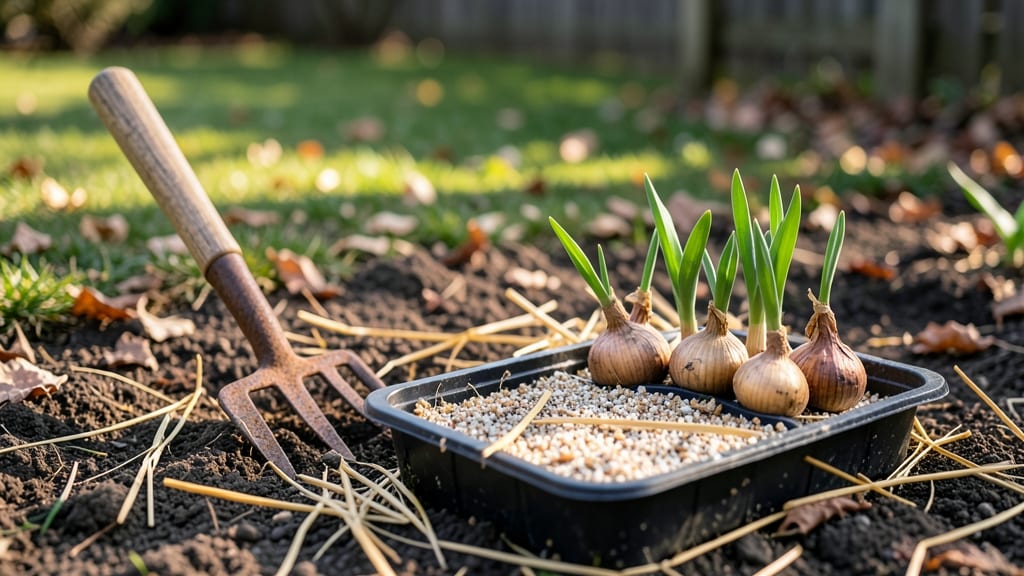
Planting tulip bulbs in Australia at the wrong time can mean the difference between a breathtaking spring display of 🌷 and wasted effort. Unlike northern climates, Australia’s frost-free zones demand a different approach—timing your bulbs for autumn’s cooler months is the key to success.
Most gardeners in Australia’s zones 8-11 should plant tulip bulbs between March and May, when soil temperatures drop and summer heat fades. This window gives roots time to establish before the ground cools further, ensuring bulbs survive until spring blooms.
Early winter (June) is also a safe bet for regions with milder winters.
But here’s the catch: soil preparation matters just as much as timing. Heavy clay soils or humid climates can drown bulbs, while sandy soil may not retain enough moisture.
The secret? Planting in well-draining soil and spacing bulbs 4-6 inches apart at a depth of 6 inches—this balance keeps them happy through Australia’s unpredictable seasons.
Ready to avoid common mistakes? I’ll walk you through regional adjustments, soil hacks, and post-planting care to guarantee your tulips thrive—no frost required. Let’s get those bulbs in the ground the right way.
Best autumn planting months for tulip bulbs in Australia’s climate zones
Australia’s mild winters and frost-free zones create unique opportunities for growing tulip bulbs, but timing is everything. Unlike northern climates, we don’t rely on frost cues—soil temperature and regional rainfall patterns become your planting compass.
In most of Australia, March to May is prime time, but coastal areas like Perth or Brisbane can extend planting into early June.
Southern regions like Melbourne and Sydney experience cooler autumns, so aim for late March to early April to give bulbs time to root before winter rains. Meanwhile, Tasmania’s cooler microclimates may push planting back to April-May to avoid early frosts in highland areas.
Northern Australia’s subtropical zones (e.g., Gold Coast) can plant as early as February, but avoid summer heat stress by finishing by April. The key? Plant when soil temperatures drop below 20°C—use a soil thermometer or wait for overnight lows of 15°C.
Rainfall matters too. In dry climates like Adelaide, plant before the first autumn rains (usually April) to prevent waterlogged soil. In wetter areas like Hobart, wait until May when soils drain better after initial rains.
Here’s how Australia’s regions compare for tulip bulb planting:
| Region | Best Planting Months | Soil Temp Threshold | Key Consideration |
|---|---|---|---|
| Sydney/Melbourne | Late March–April | Below 20°C | Cooler winters; avoid early frosts |
| Perth | April–May | Below 18°C | Dry climate; plant before rains |
| Brisbane/Gold Coast | February–April | Below 22°C | Subtropical; avoid summer heat |
| Adelaide | March–April | Below 19°C | Variable frosts; test soil |
| Tasmania (Highlands) | April–May | Below 15°C | Early frosts; protect bulbs |
Pro tip: Use a moisture meter to check soil readiness—ideal planting soil should feel cool and damp but not soggy. In heavy clay soils (common in Victoria), mix in gypsum or organic matter 2 weeks before planting to improve drainage.
For container growing, plant in March-April regardless of region, as pots dry out faster and need consistent moisture. Use a well-draining potting mix with perlite to mimic ideal soil conditions.
Remember: Tulips need 12–16 weeks of cool soil to bloom. Plant too late, and you’ll miss spring flowers. Mark your calendar now—autumn’s fleeting, and your 🌷 dream garden depends on it!
Best autumn planting months for tulip bulbs in Australia’s climate zones
Australia’s mild winters and frost-free zones create unique opportunities for growing tulips, but timing remains critical. Unlike temperate climates, most of Australia lacks frost, so tulip bulbs thrive when planted during cooler months—typically March to May—to avoid summer heat stress.
However, regional variations mean Sydney gardeners might plant slightly later than Perth, while Tasmania’s cooler microclimates allow earlier starts.
Tulips need 6–8 weeks of cooler temperatures to establish roots before summer’s heat arrives. In southern Australia (e.g., Melbourne, Adelaide), aim for late March to early April, while northern regions (Brisbane, Perth) can plant as late as May to escape summer’s intensity.
Even in frost-free zones, bulbs require consistent moisture and well-draining soil to prevent rot—a common pitfall in Australia’s humid summers.
Soil temperature is your best guide: tulip bulbs should go into soil cooler than 20°C (68°F). Use a soil thermometer if unsure—planting too early in warm soil can trigger premature sprouting, leaving bulbs vulnerable to drought. In Tasmania or alpine areas, you can plant as early as February, but most regions should wait until March to align with natural cooling trends.
| Region | Ideal Planting Window | Soil Temp Threshold | Key Consideration |
|---|---|---|---|
| Sydney, Melbourne | Late March–Early April | Below 20°C | Humidity risks; prioritize drainage |
| Perth, Adelaide | April–May | Below 18°C | Drier climate; less drainage needed |
| Brisbane, Darwin | May–Early June | Below 22°C | Extreme heat; plant deeper |
| Tasmania, Alpine Areas | February–March | Below 15°C | Cooler microclimates; earlier start |
For container gardening, adjust timing slightly: potted tulips can handle 1–2 weeks earlier than in-ground bulbs since pots dry out faster.
However, avoid planting before late February unless you’re in a high-altitude area, as summer’s heat will stress young roots. Mulching with straw or pebbles after planting helps retain moisture and regulate soil temperature—critical in Australia’s variable climates.
Pro tip: If you miss the autumn window, June planting is still viable in cooler regions, but prioritize shaded spots and extra moisture to protect bulbs from summer’s intensity. Tulips planted in late autumn (June–July) may bloom later but often produce hardier flowers in Australia’s heat.
Remember, tulips in Australia aren’t just about timing—they’re about survival strategies. With the right soil prep and seasonal adjustments, you’ll turn your garden into a spring spectacle without frost worries. 🌷