
Plants
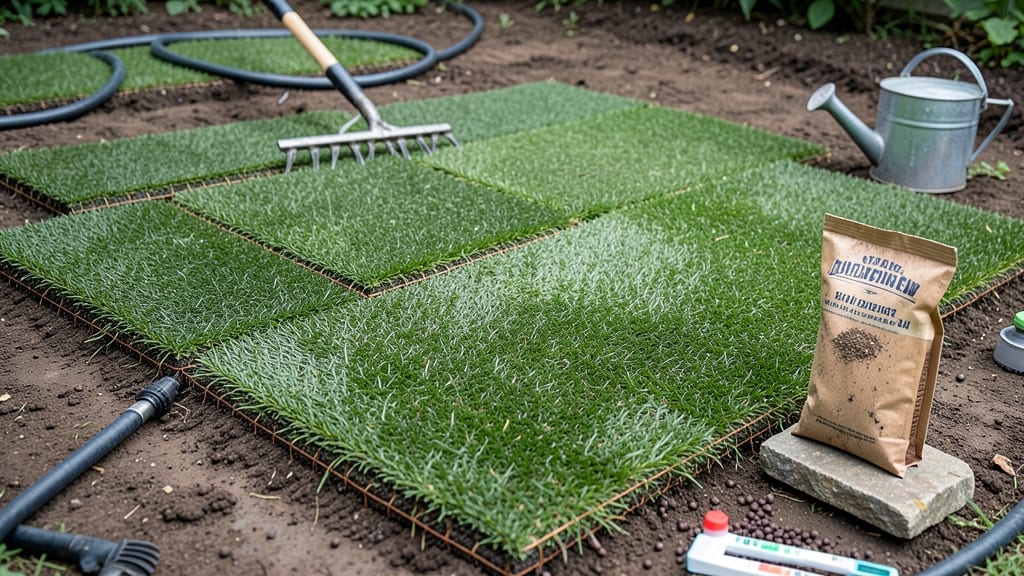
When is the best time to plant sod in Texas? Timing your sod 🌱 installation wrong in Texas can turn your green dreams into a scorched mess—but getting it right means a lawn that stays lush even through 100-degree summers.
Most homeowners assume spring is the only good time, but Texas' extreme heat zones (8a-10b) actually demand a two-season approach. I'll show you exactly when to plant for maximum root lock-in, whether you're in North Texas' cooler hills or the Gulf Coast's humid stretches.
You'll discover how soil temperature, rainfall patterns, and even your sod type (Bermuda vs. St. Augustine) change the perfect window. Spoiler: The best months might surprise you—especially if you're in West Texas where summer planting works surprisingly well.
Let's cut through the guesswork so you can transform bare soil into vibrant turfgrass without wasting water or money on failed attempts. Your future lawn will thank you.
Texas sod planting calendar: optimal months by heat zone
Texas's extreme climate—scorching summers and unpredictable winters—means sod planting timing can make or break your lawn's success. Unlike cooler states, Texas offers two prime windows for sod installation: early fall (September-October) and late winter (February-March).
These periods provide moderate temperatures (60-75°F) and consistent rainfall, giving roots time to establish before summer's brutal heat or winter's dormancy.
Texas is divided into 11 heat zones (A-D), each with unique microclimates. For example, North Texas (Zone 8a) faces earlier frosts, while South Texas (Zone 9b-10b) has year-round growing potential. Even within these zones, elevation changes—like Austin's higher elevations—can shift ideal planting dates by 2-4 weeks.
Let's break down the best months for each region to ensure your sod thrives.
Here’s how Texas’s heat zones align with optimal sod planting:
For North Texas (Zones 8a), I recommend planting in late February to early March or September to October. The 100°F+ summers and freezing winters make other times risky.
In contrast, South Texas (Zones 9b-10b) can handle sod year-round, but spring (March-May) and fall (September-November) still yield the best results due to moderate humidity and steady rainfall.
If you're in Central Texas (Zones 8b), like Austin or San Antonio, aim for August-September or February-April. These months offer soil temperatures between 65-75°F, perfect for root establishment.
Pro tip: Check your local USDA Plant Hardiness Zone map to confirm your exact zone—even small differences can shift ideal planting dates by 2-3 weeks.
One exception? High-altitude areas like the Davis Mountains or Hill Country. Here, cooler temps allow for April-May or September planting. The key is avoiding extreme heat (above 90°F) or frost risk, both of which stress new sod.
Always monitor your local extended weather forecast for at least 2 weeks after planting to avoid surprises.
For example, if you're in Houston (Zone 9a), planting in July might seem risky due to humidity, but sod can still establish if you water deeply every 2-3 days and avoid walking on it for 3 weeks. However, September-October remains the safest bet for most Texas regions.
Remember: Soil temperature, not air temperature, is the real decider. Use a soil therm
Critical factors that determine your perfect sod planting window
Timing your sod installation isn't just about picking a month—it's about understanding soil temperature, rainfall patterns, and heat index in your specific Texas region. These three factors create the ideal conditions for root establishment, which is the key to a thriving lawn.
For example, North Texas and West Texas require cooler soil temps, while Gulf Coast areas can handle slightly warmer conditions.
Soil temperature is the most critical factor. Sod roots best when soil temps stay between 60°F and 75°F. If it's too hot, the grass will struggle to establish roots, and if it's too cold, growth slows dramatically.
I always check soil temperature with a simple finger test: press your finger into the soil about 3 inches deep—if it feels warm but not scorching, it's ready for sod.
Rainfall patterns also play a huge role. Texas experiences variable precipitation, from the dry Chillicothe Plains to the humid Gulf Coast. Planting during moderate rainfall months (like September or October) ensures your new sod gets consistent moisture without drowning.
In drought-prone areas, I recommend installing sod during cooler months when evaporation rates are lower.
Finally, the heat index matters more than just air temperature. High humidity in East Texas or intense dry heat in West Texas can both stress new sod.
I avoid planting when the heat index exceeds 90°F—this typically means skipping mid-summer months (June-August) unless you're in a high-altitude area like the Davis Mountains, where cooler temps allow for summer planting.
| Factor | Ideal Range | Texas-Specific Notes |
|---|---|---|
| Soil Temperature | 60°F–75°F | Use finger test; avoid planting when soil feels scorching hot |
| Rainfall | Moderate (0.5–1.5 inches/week) | Best in fall or late winter; avoid drought months |
| Heat Index | Below 90°F | High-altitude areas (e.g., Davis Mountains) can plant in summer |
| Humidity | 30–70% | Gulf Coast areas need extra watering; West Texas sod dries faster |
Don't overlook the importance of pre-planting soil prep. Before installing sod, I always test my soil's pH (aim for 6.0–7.5) and till in 2–3 inches of compost to improve drainage.
In clay-heavy soils (common in East Texas), I add sand to prevent waterlogging. Proper prep ensures your sod has the best chance to establish roots quickly, regardless of when you plant.
One common mistake I see is planting sod during extreme heat waves, even if the calendar says it's "planting season."
For example, June in South Texas might feel like spring in other states, but the heat index can still exceed 100°F. Always monitor local weather forecasts and adjust your timeline if high-pressure systems bring unusual heat.
Patience is key—waiting for the right conditions saves time and money in the long run.
For a foolproof approach, I recommend scheduling sod installation during early fall (September–October) or late winter (February–March). These windows offer ideal soil temps, moderate rainfall, and lower heat stress, giving your lawn the best start.
And remember: watering deeply 2–3 times per week for the first month is non-negotiable, no matter when you plant.