
Planting
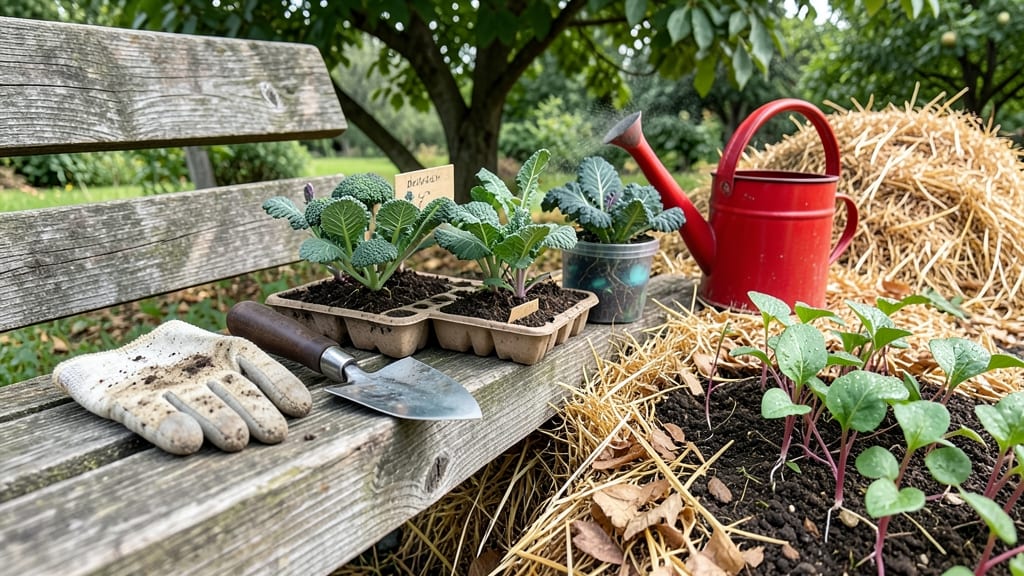
If you’ve ever watched your summer garden wilt under South Texas’ scorching sun, only to wonder when to plant a fall garden in South Texas, there’s good news: the key to a thriving fall garden 🌱 isn’t avoiding the summer—it’s working with it.
Planting at the right time means beating the first frost while still giving heat-tolerant crops like okra, sweet potatoes, and malabar spinach enough time to mature. In zones 9a-10a, that window opens as early as mid-August—but timing is everything.
Miss it, and your harvest could disappear faster than a summer rainstorm.
I’ve spent years testing what works in this climate, and the secret isn’t just about dates—it’s about understanding how to prep your soil, choose the right varieties, and protect your plants from pests that thrive in the heat.
Let me walk you through the exact steps to turn your South Texas garden into a fall bounty before winter sets in.
From exact planting deadlines to heat-resistant crop picks, you’ll learn how to maximize your harvest without the guesswork. Ready to grow a garden that actually survives the Texas heat?
South Texas fall planting calendar: exact dates for heat-tolerant crops
South Texas gardeners face a unique challenge: scorching summers followed by unpredictable frosts. But with the right timing, you can grow a thriving fall garden that produces until December.
The key? Starting 6-8 weeks before frost—typically mid-August to early October—while avoiding the peak 90°F+ heat that stalls germination.
Your last frost date in South Texas usually falls around January 15, but coastal areas like Corpus Christi may see earlier mild spells. Inland regions like San Antonio can experience harder frosts sooner.
To maximize your harvest, focus on heat-tolerant crops that can handle late-summer heat while still maturing before frost bites.
🌱 SOUTH TEXAS FALL PLANTING GUIDE
| Month | Task | Crops to Plant | Soil Temp | Notes |
|---|---|---|---|---|
| Late July - Early August | Direct sow seeds | Okra, Sweet Potatoes, Malabar Spinach | 70°F+ | Avoid transplant shock; use shade cloth if temps exceed 95°F |
| Mid-August | Transplant seedlings | Tomatoes, Peppers, Eggplant | 65°F+ | Hardening off seedlings for 7-10 days first |
| Early September | Direct sow or transplant | Kale, Collards, Lettuce, Carrots | 60°F+ | Use row covers for frost protection |
| Late September | Transplant frost-sensitive crops | Broccoli, Cabbage, Brussels Sprouts | 55°F+ | Plant in raised beds for better drainage |
| October | Succession planting | Radishes, Turnips, Spinach | 50°F+ | Use cold frames for extended harvests |
🌡️ Pro Tip: Check soil temps with a thermometer—most fall crops need 55-70°F for optimal growth.
For coastal South Texas, you can push planting 2-3 weeks later thanks to milder winters. Inland areas like San Antonio or Del Rio should start 1-2 weeks earlier to beat frost. Always monitor local weather forecasts—a sudden cold snap in November can wipe out unprotected plants in days.
Don’t forget to prep your soil in July by adding compost and organic matter to combat South Texas’ clay-heavy soils. Aim for a pH of 6.0-7.0—alkaline soils here can lock out nutrients. Test your soil in late summer and amend if needed before planting.
If you’re growing heat-loving crops like okra or sweet potatoes, start them as early as June—they’ll handle the heat and keep producing until frost.
For cool-season crops, wait until September when daytime temps drop below 85°F. This timing ensures they mature before the first frost in December.
Use shade cloth (30-50%) over seedlings during peak afternoon heat to prevent wilting. For frost-sensitive plants, have row covers or cold frames ready by mid-October. Even a light frost can damage tender greens like lettuce or spinach, so plan accordingly.
🌱 Remember: South Texas’ fall garden success hinges on two critical factors: soil temperature and frost timing. Start early, monitor weather, and you’ll enjoy fresh harvests until the holidays.
Critical mistakes South Texas gardeners make when planting fall crops (and how to avoid them)
Planting a fall garden in South Texas is tricky—one wrong move, and your hard work could end up as frost-killed plants. I’ve seen gardeners make these common mistakes that sabotage their harvests before they even begin.
The key is preparation and understanding your region’s quirks, like our alkaline soil and unpredictable late-season heat spikes.
First, many gardeners ignore soil pH adjustments. South Texas soils often test alkaline (7.5-8.5), which locks out nutrients like iron and phosphorus. Without fixing this, your leafy greens and root vegetables will struggle to grow, even if planted at the right time.
A simple lime application (for acidic crops) or sulfur (for alkaline-loving plants) can make all the difference.
Mistake #1: Planting Too Late for Frost-Sensitive Crops
South Texas’ first frost can hit as early as December 1, but inland areas may see frost by November 20. If you plant lettuce or spinach after October 15, you risk losing your entire crop to a surprise freeze. Always calculate 6-8 weeks before frost for cool-season crops.
🌡️ Pro Tip: Use a frost watch checklist—mark your calendar for November 1 to start monitoring local forecasts.
Another frequent error is overwatering during heat spikes. Many gardeners panic when temps drop in September and drown their seedlings, thinking they need extra moisture. But soggy soil leads to root rot and fungal diseases like powdery mildew.
Instead, focus on deep, infrequent watering—aim for 1-1.5 inches per week and water in the early morning to reduce evaporation.
Gardeners also underestimate pest pressure in fall. While cooler temps slow some insects, squash vine borers and aphids still thrive. I’ve lost entire cucumber and squash plants because I didn’t use row covers or neem oil sprays early enough.
Start preventative sprays as soon as you plant, and inspect leaves weekly for early signs of damage.
Finally, many skip mulching, which is critical in South Texas’ clay-heavy soils. A 2-3 inch layer of straw or pine needles helps retain moisture, regulate soil temperature, and suppress weeds.
Without mulch, your soil can fluctuate wildly between day and night temps, stressing young plants. Plus, it keeps soil-borne diseases at bay.
To avoid these mistakes, start with a soil test in July, amend your beds by mid-August, and plant heat-tolerant varieties like Malabar spinach or collard greens for a longer harvest window. With the right prep, your fall garden can thrive even in South Texas’ unpredictable climate. 🌱