
Plants
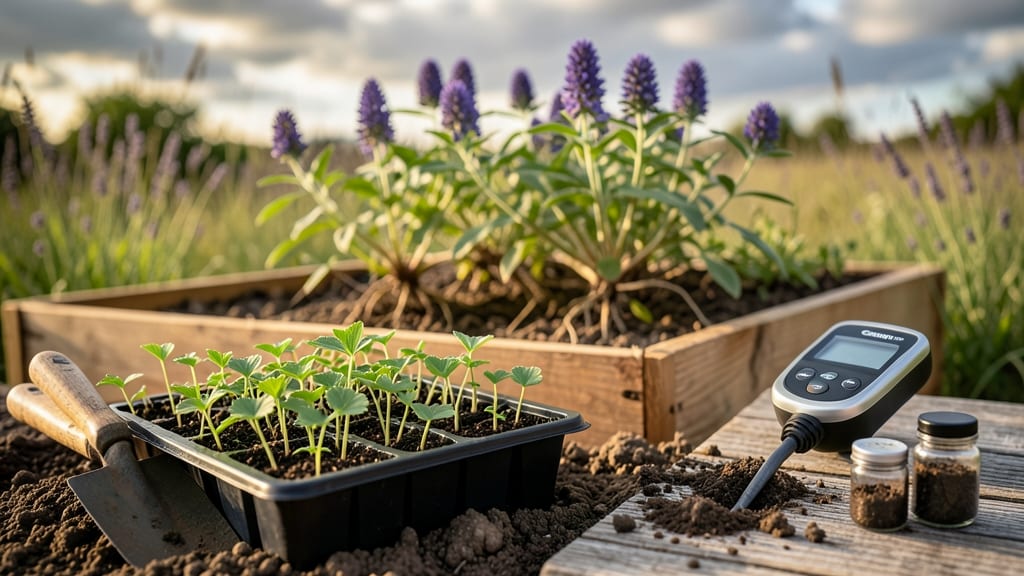
Planting alfalfa in Texas at the wrong time can mean the difference between a thriving crop and wasted effort.
The key to success lies in understanding your specific USDA zone—whether you're in North Texas's cooler 8a or South Texas's balmy 10a—because soil temperatures and frost dates shift dramatically across the state.
For most Texas growers, the ideal window opens in early spring (February-March) or late summer (August-September), when soil reaches that perfect 50-60°F sweet spot for germination.
But here's the catch: North Texas's last frost often lingers into mid-February, while South Texas might still see chilly nights in January—so timing matters more than you'd think.
I've seen firsthand how a single week off schedule can delay harvests or invite pest pressure. That's why I'm breaking down exactly when to plant in each zone, plus how to adjust for Texas's unpredictable weather—so you can maximize your 🌱 alfalfa yield without the guesswork.
Ready to turn your Texas field into a high-yield alfalfa powerhouse? Let's dive into the exact planting calendar that works for your corner of the Lone Star State.
Best planting months for alfalfa in Texas by hardiness Zone
Texas’s diverse climate zones mean alfalfa planting times vary dramatically from North Texas to South Texas. The key is planting when soil temps hit 50-60°F and frost risk drops below 10%.
In Zone 8a (North Texas), aim for early March to avoid late freezes, while Zone 10a (South Texas) can start as early as late February.
For fall planting, late summer (August-September) works best statewide, giving seedlings time to establish roots before winter. However, South Texas’s milder winters allow for year-round planting with proper irrigation.
Always check your local frost-free dates—North Texas’s last frost often hits February 15, while South Texas may see frost as late as January 15.
Here’s how Texas’s three main regions differ in ideal planting windows:
In North Texas, where frosts linger into March, I recommend covering young seedlings with frost cloth until soil temps stabilize. Central Texas growers have a two-week buffer—planting in late February can still yield strong stands if followed by consistent moisture.
Meanwhile, South Texas offers the most flexibility, with some growers even planting in late fall (November) for winter harvests.
Pro tip: Use a soil thermometer to confirm readiness. Alfalfa seeds won’t germinate below 50°F, so don’t rush planting in cooler zones. In East Texas, where humidity is higher, aim for drier soil conditions at planting to prevent fungal issues like Phytophthora.
For organic growers, I’ve found that adding composted manure 2–3 weeks before planting boosts early growth. The extra nitrogen helps seedlings compete with native grasses. Just avoid over-fertilizing—alfalfa is a legume and fixes its own nitrogen once established.
If you’re in West Texas, where drought is a bigger concern, prioritize deep watering during establishment. The Chihuahuan Desert climate means alfalfa may need supplemental irrigation for the first 60 days after planting, even with well-drained soils.
Remember: Seed variety matters. For North Texas, ‘Wicheita’ handles frost better, while South Texas does well with ‘CUF 101’, which tolerates heat and humidity. Always check the seed packet for regional recommendations—some varieties specify “Northern” or “Southern” adaptations.
Finally, avoid planting in summer heat (June–July) unless you’re using shade cloth. Seedlings stressed by 90°F+ temps often fail to establish properly, leading to weak stands. When in doubt, late August is a safer bet for fall planting across most of Texas.
Best planting months for alfalfa in Texas by hardiness Zone
Texas’s diverse climate means alfalfa planting times vary dramatically from North Texas (Zone 8a) to South Texas (Zone 10a). In colder northern regions like Lubbock or Amarillo, aim for early spring (February-March) once soil warms to 50-60°F.
Meanwhile, Central Texas (Austin, San Antonio) can plant as early as January, while South Texas (Houston, Brownsville) often starts in late winter (February-March) or even late summer (August-September) for fall harvests.
Timing isn’t just about frost—it’s also about soil moisture. Alfalfa seeds need consistent moisture to germinate, so avoid planting during Texas’s scorching summer months (May-September) unless you’re irrigating heavily. Late summer plantings (August-September) work well in South Texas because they establish roots before fall rains arrive, reducing drought stress.
Last frost dates are your best guide: North Texas typically sees its final frost by mid-February, while South Texas rarely experiences frost. Use these frost-free deadlines to plan:
| Texas Region | USDA Zone | Best Planting Window | Soil Temp Threshold | Last Frost Date |
|---|---|---|---|---|
| North Texas (Lubbock, Amarillo) | 8a | February–March | 50–60°F | Mid-February |
| Central Texas (Austin, San Antonio) | 8b–9a | January–February or August–September | 55–65°F | Late January |
| South Texas (Houston, Brownsville) | 9b–10a | February–March or August–September | 60–70°F | None (rare frost) |
For spring plantings, prioritize February-March in most of Texas. This gives alfalfa 60–90 days to establish roots before summer heat peaks.
In North Texas, wait until after March 15 to avoid late-spring freezes, which can kill young seedlings. South Texas growers often prefer late summer (August-September) plantings to capitalize on fall rains and cooler temps.
Pro tip: Use a soil thermometer to confirm 50–60°F soil temps before planting. Cold soil delays germination, and alfalfa seeds won’t sprout below 45°F. In Central Texas, this often means waiting until late February even if frost risk has passed.
If you’re planting for fall harvests, focus on August-September in South and Central Texas. This timing ensures alfalfa matures before first frost (November–December) and avoids summer drought stress. Just be prepared for hurricane season in coastal areas—delay planting if storms are forecasted.
Remember: Alfalfa is a cool-season crop, but it hates heat stress. Plant too late in spring, and you’ll struggle with bolting (premature flowering) or heat damage. Stick to these zone-specific windows, and you’ll maximize yields and quality.