
Plants
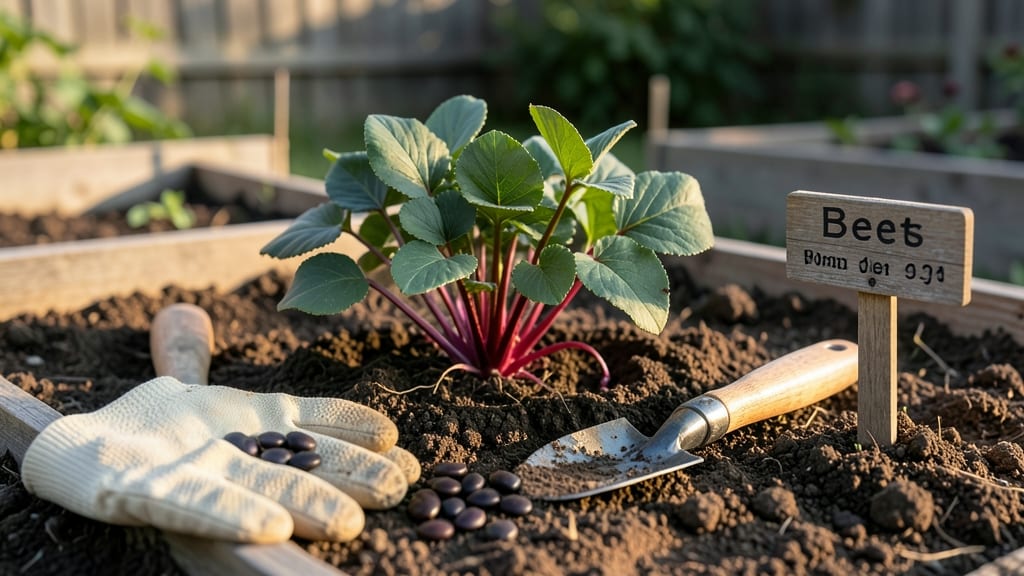
When to plant beets in Utah could mean the difference between a bountiful harvest of sweet, tender roots and a disappointing crop. Unlike other vegetables, beets thrive in cooler weather, but Utah’s 5b-7b zones and dramatic temperature swings demand precision.
Most gardeners in Utah plant their 🍠 beets in early spring—typically between March and April—when soil temperatures hover around 50°F. But did you know you can also sow a second crop in late summer (August-September) for a fall harvest?
This two-season strategy maximizes your yield and keeps fresh beets on the table from June through November.
Here’s the key: Utah’s high desert climate means frost dates vary wildly—from mid-April in low valleys to weeks later in mountain regions. I’ll walk you through exactly how to adjust your planting schedule based on your elevation, soil prep, and even companion plants that boost beet growth.
Whether you’re a first-timer or a seasoned gardener, these Utah-specific tips will help you avoid common mistakes—like planting too late for fall harvests or ignoring soil pH—and ensure your beets grow sweeter and faster than ever before.
Utah’s best planting windows for beets: month-by-month schedule
Utah’s diverse microclimates mean your best beet planting times depend on elevation and location. In the Salt Lake Valley (USDA Zone 6b), aim for mid-March to early April for spring plantings, while high-altitude areas (7,000–10,000 ft) like Park City should wait until late April when soil warms to 45°F.
Fall plantings work best from late July to mid-August, allowing a 60-day harvest before first frost (mid-October).
Soil temperature is critical—beets germinate poorly below 40°F. Use a soil thermometer to confirm readiness, especially in Southern Utah’s high desert, where nights stay chilly longer. For continuous harvests, stagger plantings every 2–3 weeks from spring through early summer. This ensures fresh beets from June through November.
Here’s how Utah’s three key regions differ in timing:
| Region | Spring Planting Window | Fall Planting Window | Key Adjustment |
|---|---|---|---|
| Salt Lake Valley (Zone 6b) | Mid-March to early April | Late July to early August | Wait for soil to reach 45°F |
| Wasatch Front (Zone 6a) | Late March to mid-April | Early August to mid-August | Use row covers for earlier starts |
| Southern Utah (Zone 7b) | Early April to early May | Mid-August to late August | Extend season with cold frames |
For high-altitude gardens (above 8,000 ft), delay planting until after May 15 to avoid late frosts that can damage young seedlings. Test your soil’s pH (6.0–7.0 ideal) and amend with compost if needed—beets are heavy feeders and thrive in loose, fertile soil.
In dry years, prioritize drip irrigation to maintain consistent moisture, which prevents woody roots.
Utah’s short growing season (130–180 frost-free days) demands smart planning. Fast-maturing varieties like ‘Babybeat’ (45 days) or ‘Detroit Dark Red’ (60 days) are ideal for late summer plantings.
If you miss the spring window, don’t despair—August sowings can still yield harvests by October, especially in warmer microclimates like St. George (Zone 8a).
Pro tip: Direct-sow seeds (never transplant seedlings) for best results. Beets hate root disturbance, and transplanted plants often bolt or develop misshapen roots.
Use a seed spacing guide: plant seeds 1/2 inch deep, 1–2 inches apart, and thin to 3–4 inches when seedlings are 2 inches tall. This spacing prevents crowding and ensures uniform growth.
In Southern Utah’s desert climate, mulch heavily with straw or wood chips to retain moisture and regulate soil temperature. Without mulch, daytime heat can cause beets to bolt prematurely. For mountain regions, choose cold-hardy varieties like ‘Chioggia’ or ‘Golden Beet’—they tolerate cooler soils better than standard types.
Always harden off seedlings for 3–5 days before transplanting to avoid shock.
Timing isn’t just about months—it’s about soil conditions. Wait until the ground is workable (not muddy) and warmer than 50°F at a 2-inch depth. Use a moisture meter to check—beets need consistent dampness but hate soggy soil.
In clay-heavy Utah soils, amend with sand or compost to improve drainage. Poor drainage leads to rotten roots and wasted effort.
Remember: Beets are cool-season crops, so they struggle in Utah’s summer heat. If planting in late summer, use shade cloth (30–50% shade) to protect seedlings from intense sun and drying winds.
This simple trick can double your success rate in hot microclimates. Pair beets with companion plants like lettuce or radishes to maximize space and improve soil health.
🌱
How to extend your beet harvest in Utah’s short growing season
Utah’s short growing season and unpredictable weather can make it challenging to enjoy fresh beets year-round, but with the right strategies, you can extend your harvest from early spring to late fall.
The key is succession planting, using cold-hardy varieties, and protecting young plants from late frosts or heat spikes. I’ve grown beets in Utah’s high desert for years, and these methods have helped me enjoy homegrown beets for nearly 10 months of the year.
Start by choosing fast-maturing varieties like ‘Detroit Dark Red’ (50–60 days) or ‘Golden Beet’ (45–55 days), which thrive in Utah’s cool spring and fall temperatures. These varieties also handle light frosts better than slower-growing types, giving you more flexibility in planting times.
For example, I’ve had success with ‘Golden Beet’ in early March and again in late August, both times harvesting before the heat or cold became extreme.
For fall harvests, aim to plant seeds by mid-August in most of Utah, allowing enough time for roots to mature before the first frost (typically mid-October). In Southern Utah, where nights cool faster, you can push planting to early September.
I’ve found that ‘Boltardy’ beets, a heat-tolerant variety, perform exceptionally well in Utah’s late-summer heat, giving me a second harvest window.
Another trick I swear by is intercropping with fast-growing greens, like spinach or lettuce, between beet rows. This maximizes space and provides shade to keep beet soil cool during Utah’s hot July and August months.
Plus, the greens can be harvested early, leaving room for beets to bulk up. Just ensure your soil stays consistently moist—Utah’s dry air can cause beets to become woody if stressed.
If you’re eager to try winter storage, harvest beets in late fall (before hard frosts) and cure them in a cool, dark place for 1–2 weeks. Store them in sand or sawdust in a root cellar or even a well-insulated garage.
I’ve kept ‘Detroit Dark Red’ beets this way until March, providing fresh, homegrown produce when spring plantings are still weeks away.
Don’t forget to rotate planting locations yearly to prevent soil-borne diseases, which can be exacerbated by Utah’s dry, alkaline soils. Amend your soil with compost or aged manure before planting to improve moisture retention and nutrient availability.
With these strategies, you’ll turn Utah’s challenging climate into an advantage, enjoying homegrown beets for nearly every season. 🌱