
Plants
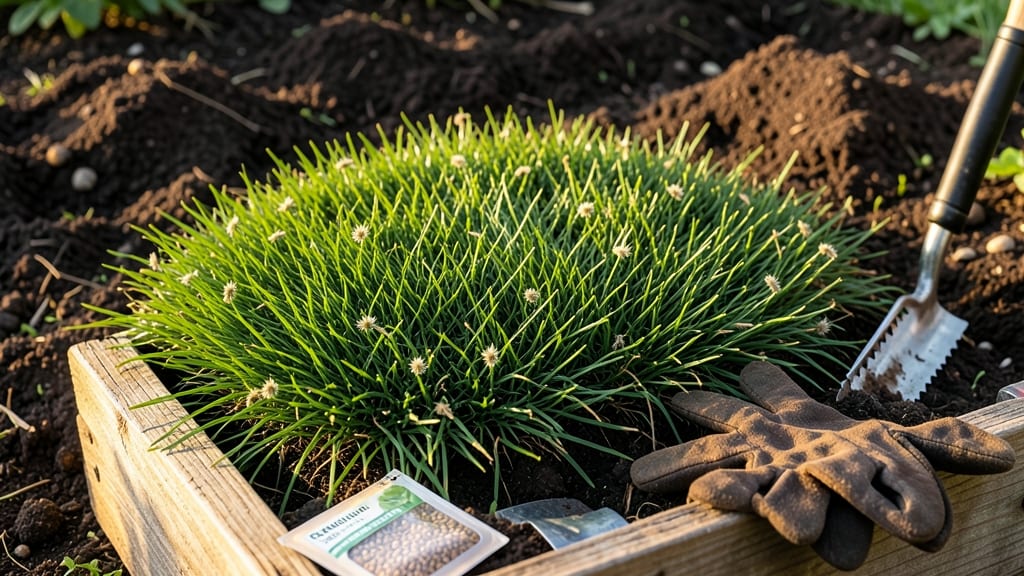
Planting Bermuda grass seed in Arkansas at the wrong time could leave you staring at bare soil all summer—unless you follow the perfect window for your region.
This warm-season grass thrives when soil temperatures hit at least 65°F, and getting that timing right means the difference between a lush, green lawn and months of frustration.
Most Arkansas gardeners wait until late spring to early summer, but the exact timing depends on where you live. Northern Arkansas (USDA Zone 7a) needs to wait longer for the soil to warm, while southern areas (Zone 8b) can start planting earlier.
I’ll break down the best months for each region so you don’t miss your chance.
You might think spring is the only option, but fall planting has its risks—especially with Arkansas’s unpredictable frost dates. I’ll explain why June and July are the safest months for planting, along with soil prep tips to ensure your Bermuda grass seed germinates strong and stays that way.
Ready to skip the guesswork? Let’s dive into the exact planting schedule, soil temperature checks, and care tips that’ll give you the thickest, most resilient lawn in your neighborhood—no matter which part of Arkansas you’re in.
Arkansas Bermuda grass planting calendar: best months by region
Timing your Bermuda grass seed planting in Arkansas depends heavily on your region—North, Central, or South—since frost dates and soil warming vary. In North Arkansas (USDA Zone 7a), you’ll need to wait longer for the ground to warm, while South Arkansas (Zone 8b) offers a longer window.
Let’s break down the ideal planting windows for each area to ensure your lawn thrives.
For North Arkansas, aim to plant between mid-May and early June when soil temperatures consistently reach 65°F or higher. This timing avoids early frost risks while allowing enough warmth for germination.
In Central Arkansas, you can start as early as late April, but May to early June remains the safest bet for reliable growth.
Meanwhile, South Arkansas gardeners enjoy the most flexibility, with planting possible from mid-April through July. However, the peak window remains May to June to maximize growth before summer heat sets in.
Always check your local last frost date—Arkansas ranges from March 15 in the north to February 15 in the south—to avoid premature planting.
| Region | USDA Zone | Best Planting Window | Soil Temp Threshold | Key Consideration |
|---|---|---|---|---|
| North Arkansas | 7a | Mid-May to Early June | 65°F+ for 4+ weeks | Last frost: March 15 |
| Central Arkansas | 7b-8a | Late April to Early June | 65°F+ for 3+ weeks | Moderate frost risk in April |
| South Arkansas | 8b | Mid-April to July | 65°F+ for 2+ weeks | Longer growing season |
If you’re in North Arkansas, planting too early—before soil temperatures hit 65°F—can lead to poor germination or even seed rot. Use a soil thermometer to confirm readiness.
For Central and South Arkansas, early planting (April) is riskier but possible if you’re prepared to protect seedlings from late frosts with row covers or mulch.
Pro tip: In South Arkansas, you can even plant as late as early July for a fall lawn, but expect slower establishment before winter dormancy. Just remember, Bermuda grass is a warm-season grass, so it needs heat to thrive—don’t rush it!
Regardless of your region, avoid planting in August or later. The summer heat can stress young seedlings, and fall frosts may stunt growth before winter. Plan ahead, and your Bermuda grass will reward you with a dense, drought-resistant lawn all season long.
For extra precision, check the Arkansas Climate Office or your local Cooperative Extension Service for microclimate adjustments. Even a 5-mile elevation change can shift your ideal planting window by a week or more!
Once you’ve nailed the timing, focus on soil preparation—loosen the top 6 inches of soil, remove weeds, and amend with compost for better seed-to-soil contact. This step is just as critical as the planting date itself!
🌱
Soil temperature requirements for Bermuda grass seed germination in Arkansas
Bermuda grass seed won't germinate until the soil reaches a consistent 65°F or warmer for at least 4-6 weeks.
This warm-season grass is picky—planting too early when soil is still cool can leave your seed sitting dormant or even rotting in wet conditions. Arkansas's soil warms differently by region, so knowing when to plant is key to avoiding wasted effort.
In North Arkansas (USDA Zone 7a), soil typically hits 65°F by late May, while South Arkansas (Zone 8a-8b) can reach this threshold as early as mid-April.
Central Arkansas usually falls somewhere in between, with early to mid-May being the safest bet. Use a soil thermometer to confirm—don’t guess!
- 🌡️ Minimum 65°F for 4+ weeks before planting.
- ⏳ Wait until nighttime temps stay above 60°F—cold snaps can stall germination.
- 🔥 Avoid planting if soil is below 60°F—seed may rot or fail to sprout.
- ☀️ Monitor soil temps daily using a soil thermometer (available for ~$10).
- ⚠️ Planting too early = wasted seed and potential fungal growth.
If you plant Bermuda grass seed when soil temps are too low, you’ll likely see slow or uneven germination, leaving patches of bare soil. Patience is critical—rushing the process often leads to disappointment.
For example, planting in April in North Arkansas might mean your seed sits in 55°F soil for weeks, delaying growth by 3-4 weeks compared to waiting until May.
Once soil temps hit the 75-85°F range, germination speeds up dramatically—expect sprouts in 7-14 days under ideal conditions. This is the sweet spot for Arkansas gardeners, typically occurring in June for most regions.
However, if you’re in South Arkansas, you might even see faster results in late May.
To test your soil temperature, insert a soil thermometer 2-3 inches deep in a shaded area (direct sunlight skews readings). Check temps in the morning for the most accurate gauge—this is when soil is coolest. If temps dip below 65°F at night, wait a few more days before planting.
Pro tip: Use black plastic mulch to warm soil faster if you’re eager to plant early. Lay it down 2-3 weeks before seeding to raise soil temps by 5-10°F.
Just remove it once seeds sprout to avoid overheating young plants. Timing + soil prep = lush Bermuda grass success! 🌱