
Plants
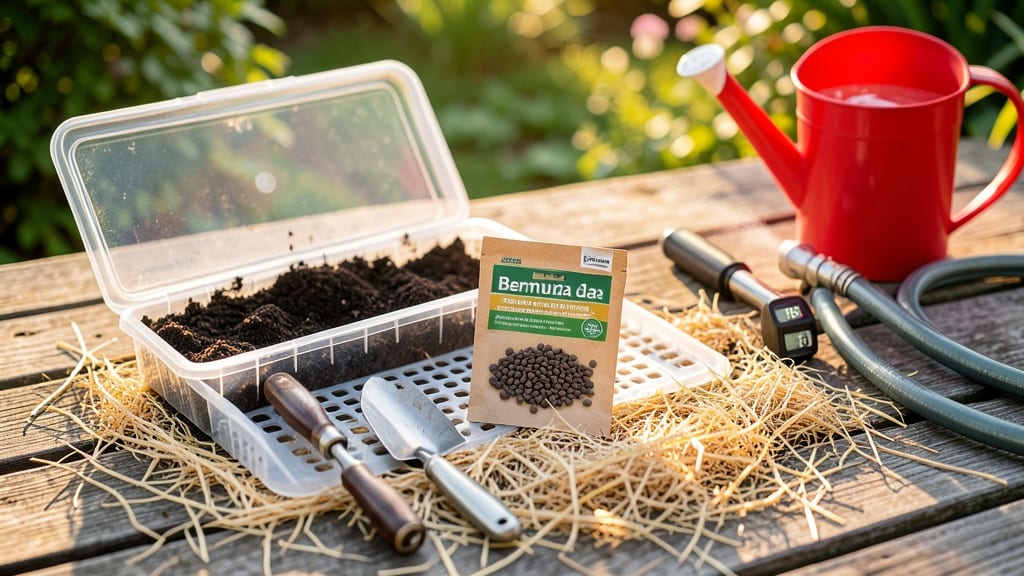
Planting Bermuda grass seed in Arizona at the wrong time means watching your lawn turn brown before it even gets a chance to grow—but get the timing right, and you could have a lush, heat-resistant yard within just 30 days.
Unlike many plants, Bermuda grass thrives in the desert’s intense heat, but it needs a strategic window to establish roots before summer’s scorching temperatures kick in.
Whether you're in Phoenix or Tucson, the late February to early April or August to early September planting periods are your best bets for success.
This isn’t just about avoiding the worst heat—it’s about working with Arizona’s climate. Soil temperatures must reach at least 65°F for germination, and monsoon rains can either help or hinder your efforts if you’re not prepared.
Let’s break down the exact steps to plant Bermuda seed so it takes off fast, even in the desert.
From soil prep to watering schedules, I’ll show you how to set your lawn up for fast growth and long-term resilience. Ready to transform that patchy yard into a vibrant green space? Let’s get started.
Arizona’s Bermuda seed planting deadlines by heat zone (USDA 9b-11a)
Arizona’s USDA heat zones 9b-11a create dramatic differences in Bermuda grass seed success. Planting too early risks frost damage, while late planting exposes seedlings to 110°F+ heat—both kill germination. The key? Soil temperatures must stay above 65°F for 7+ days before planting.
Most Arizona gardeners focus on two planting windows: late spring (March-April) and early fall (August-September). However, low desert zones (10b-11a) like Phoenix can start as early as February, while high desert zones (9b) like Flagstaff must wait until May. Let’s break down the exact deadlines by zone.
| Heat Zone | Spring Planting Window | Fall Planting Window | Soil Temp Requirement | Rainfall Factor |
|---|---|---|---|---|
| USDA 9b (Flagstaff, Prescott) | May 15 - June 15 | September 1 - September 15 | ≥65°F (consistent) | Monsoon rains help germination |
| USDA 10a (Mesa, Sedona) | April 1 - April 30 | August 15 - September 1 | ≥68°F (minimum) | Irrigation critical after planting |
| USDA 10b (Tucson, Yuma) | March 1 - March 31 | July 31 - August 15 | ≥70°F (optimal) | Drought-tolerant but needs moisture |
| USDA 11a (Phoenix, Scottsdale) | February 15 - March 15 | August 1 - August 15 | ≥72°F (critical) | Monsoon season extends window |
Notice how fall planting windows are shorter in USDA 11a zones? That’s because September heat in Phoenix can still reach 100°F+, stressing young seedlings. In contrast, high desert zones (9b) have longer fall windows due to cooler nights.
For fastest germination, aim to plant when daytime highs are 85-95°F—hot enough to speed growth but not scorching. Use a soil thermometer ($10 at garden centers) to verify temperatures before planting. Pro tip: Morning planting (before 9 AM) reduces heat stress on seeds.
Monsoon season (July-September) actually helps Bermuda seed germination in USDA 10a-11a zones. The consistent rainfall provides moisture without overwatering risks. However, in USDA 9b, monsoon rains can arrive too late—plan for supplemental irrigation if you plant in early August.
Missed the spring window? Don’t panic. Fall planting is just as effective in Arizona—Bermuda grass enters dormancy by November, so seedlings have 3-4 months to establish roots before winter. The trade-off? Slower early growth compared to spring plantings.
One critical mistake many Arizona gardeners make? Planting too late in fall. If you wait until after September 15, seedlings may not harden off before first frost (December 15 in most zones). Always check your local National Weather Service frost predictions.
For maximum heat resistance, consider hybrid Bermuda varieties like Tifway 419 or TifSport, which germinate faster in Arizona’s climate. These varieties also handle drought and foot traffic better than standard types.
Ready to plant? Grab a soil thermometer, check your USDA zone, and mark your calendar for the next planting window. With the right timing, your Bermuda grass will outperform cool-season grasses like ryegrass by summer’s end. 🌱
How to prepare soil and seed for maximum germination in Arizona’s climate
Arizona’s extreme heat and low humidity demand special prep work before planting Bermuda grass seed. The key is creating a moist, nutrient-rich environment that mimics the grass’s natural tropical origins. Without proper prep, your seed will struggle to germinate under the 110°F+ temperatures common in summer.
Start by testing your soil pH—Bermuda thrives in slightly acidic to neutral soil (6.0–7.0). If your soil is alkaline (common in Arizona), amend it with sulfur or peat moss 4–6 weeks before planting.
This adjustment is critical, as alkaline soil can lock out essential nutrients like phosphorus and iron, stunting growth.
🌱 Step-by-Step Pre-Planting Checklist for Arizona Bermuda Seed
- Test soil pH (aim for 6.0–7.0) using a digital pH meter or soil test kit.
- Loosen soil 6–8 inches deep with a tiller or rototiller to improve drainage.
- Add compost (2–3 inches) or well-rotted manure for organic matter.
- Level the ground with a rake to eliminate low spots where water pools.
- Schedule irrigation for early morning (5–9 AM) to reduce evaporation.
- Apply starter fertilizer (high in phosphorus, 10-20-10 ratio) before seeding.
Once your soil is ready, focus on seed depth and spacing. Plant Bermuda grass seed no deeper than ¼ inch—any deeper, and it won’t have enough energy to break through the surface.
Use a drop spreader for even distribution, aiming for 10–15 seeds per square foot. Lightly rake the seed into the soil to ensure soil-to-seed contact, which is essential for moisture absorption.
After planting, mulch lightly with a thin layer of straw or peat moss (¼ inch max) to retain moisture without smothering the seed. Avoid thick mulch, as it can trap heat and encourage fungal growth.
Water gently but deeply—aim for 1–1.5 inches of water per week—using a soaker hose or drip irrigation to avoid displacing the seed.
Monitor your seedbed daily for the first 10–14 days. Bermuda seed germinates best at soil temperatures between 75–95°F, so if daytime temps drop below 65°F, cover the area with frost cloth at night.
Once seedlings emerge, reduce watering slightly to prevent fungal diseases like damping-off, which thrives in Arizona’s humid monsoon season.
With the right prep, your Bermuda grass seed will germinate in 7–21 days, depending on temperature and moisture. Stay consistent with care, and you’ll have a dense, drought-resistant lawn ready to handle Arizona’s brutal summers.