
Plants
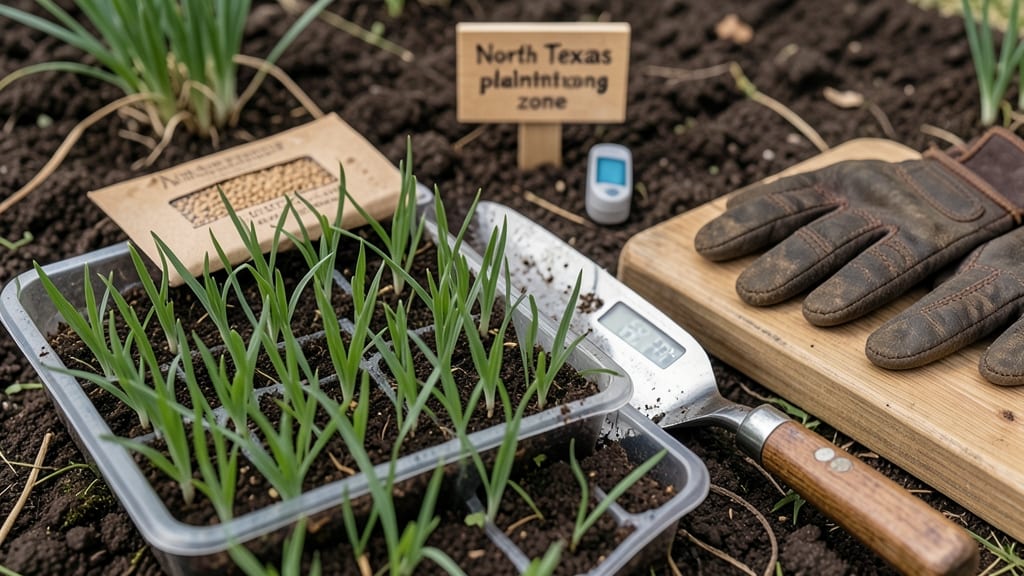
Planting Bermuda seed in North Texas at the wrong time could mean struggling with weak growth or even wasted seed—especially when soil temperatures dip below what this heat-loving grass needs to thrive.
Unlike cool-season grasses, Bermuda 🌱 demands warmth to germinate, and waiting until the last frost has passed isn’t enough.
Here’s the key: aim for mid-April to mid-May when soil temperatures consistently hit 65°F or higher. This window balances the risk of late frosts with the need for stable warmth, giving your seed the best shot at strong, uniform germination.
Skipping this step often leads to patchy lawns or delayed establishment.
Why does timing matter so much? Bermuda grass thrives in USDA Zone 8a’s intense heat, but it won’t germinate in cooler spring soil. I’ll break down exactly how to check soil warmth, adjust for North Texas’ microclimates, and avoid common mistakes that derail even the most eager gardeners.
Let’s dive into the exact conditions your Bermuda seed needs to take root—and how to set it up for a lush, drought-resistant lawn that lasts all summer.
Optimal planting windows for Bermuda seed in North Texas (soil temp guide)
Bermuda grass thrives in North Texas’ heat, but timing is everything. Planting too early risks frost damage, while waiting too long can lead to poor germination. The ideal window spans mid-April to mid-May, when soil temperatures consistently hit 65°F or warmer—the magic threshold for Bermuda seed activation.
North Texas’ USDA Zone 8a climate means frost lingers until mid-March on average, but soil warmth lags behind air temperatures. Bermuda seed won’t germinate reliably below 60°F, so rushing in March often wastes seed and money. Patience here pays off with stronger stands and faster establishment.
Use a soil thermometer to confirm readiness—stick it 2 inches deep in shaded soil (morning readings work best). If temps dip below 65°F for more than a day, delay planting. In East Texas, where microclimates run warmer, you might start 2 weeks earlier than West Texas areas like Lubbock.
| Planting Window | Soil Temp Requirement | North Texas Region | Risk if Planted Early |
|---|---|---|---|
| Mid-April | 65°F+ consistently | East TX (Dallas, Tyler) | Frost damage to seedlings |
| Late April | 70°F+ consistently | Central TX (Fort Worth, Waco) | Slow germination, weak roots |
| Mid-May | 75°F+ consistently | West TX (Lubbock, Abilene) | Heat stress if planted late |
Late spring plantings (June) are possible in North Texas, but they require extra irrigation and shade protection for young seedlings. If you miss the April-May window, consider sod instead—it establishes faster under summer heat. Bermuda grass planted in June or later often struggles with drought stress before roots develop.
Historical data shows May plantings yield the best results in North Texas, with 80%+ germination rates when soil temps stay above 70°F. Early May also aligns with peak rainfall in many areas, reducing the need for supplemental watering during critical germination (first 2-3 weeks).
Track local NOAA climate reports for your specific county—some years, a 2-week delay can make all the difference.
Pro tip: Pre-warm your soil in late March by removing winter mulch and using black plastic sheeting for 2-3 weeks. This can shave 1-2 weeks off your planting timeline in cooler microclimates. Just remove the plastic 48 hours before seeding to avoid overheating the seed.
Watch for false springs—those 80°F days in March followed by a 20°F drop. Bermuda seed won’t tolerate frost, so always have a backup plan (like sod or a temporary cover) if late frosts threaten.
The National Weather Service’s freeze watch alerts are your best friend during this window.
Once you’ve nailed the timing, consistent moisture becomes your next priority. Bermuda seed needs 1/2 inch of water weekly (or daily watering in 10-minute bursts) to prevent crusting.
Skip the sprinklers in the evening—fungal diseases thrive in damp grass overnight. Aim for morning watering to give foliage time to dry.
Remember: Bermuda grass is aggressive once established, but it starts slow. Planting at the right time ensures you skip the patchy, weak growth that plagues rushed plantings. With 65°F+ soil and full sun, your lawn will be dense and drought-resistant by summer—worth the wait! 🌱☀️
Optimal planting windows for Bermuda seed in North Texas (soil temp guide)
North Texas gardeners know that timing is everything when planting Bermuda grass seed. Unlike cool-season grasses, Bermuda thrives in warm soil—planting too early risks frost damage, while waiting too long can leave your lawn vulnerable to weeds.
The sweet spot? Mid-April to mid-May, when soil temperatures consistently hit 65°F or higher.
This window aligns with North Texas’s USDA Zone 8a climate, where last frost typically occurs around March 15. However, rushing to plant before soil warms can lead to poor germination or seed rot.
Always check soil temps with a soil thermometer—Bermuda seed needs warmth to break dormancy and sprout efficiently.
| Planting Window | Soil Temp Requirement | North Texas Timeline | Risk if Planted Early |
|---|---|---|---|
| Early Spring (March) | Below 65°F | Last frost (March 15) | Frost damage, slow germination |
| Ideal Window (April-May) | 65°F+ consistently | Mid-April to mid-May | Optimal growth, strong stands |
| Late Spring (June) | Above 75°F | After Memorial Day | Weed competition, slower establishment |
For North Texas microclimates, urban areas like Dallas may warm up faster than rural zones. Monitor local weather trends—some years, late April is ideal, while others may require waiting until early May.
Pro tip: Plant when daytime highs consistently exceed 80°F, signaling the soil is ready for Bermuda’s aggressive growth.
If you’re unsure about soil temps, use a clear plastic cup buried 2 inches deep for 24 hours. The air temperature inside will mirror soil warmth. Aim for 65°F or warmer before sowing—this ensures 90%+ germination rates within 7–14 days.
Once planted, Bermuda seed needs daily watering to keep soil moist but not soggy. Mulch lightly with straw to retain moisture and protect seeds from birds or wind. Within 3–4 weeks, you’ll see vigorous sprouts—a sign your timing was perfect.
Remember, Bermuda grass is dormant in winter, so fall planting is a no-go. Focus on spring for the best results, and your lawn will reward you with dense, heat-resistant coverage all summer long. 🌱☀️