
Plants
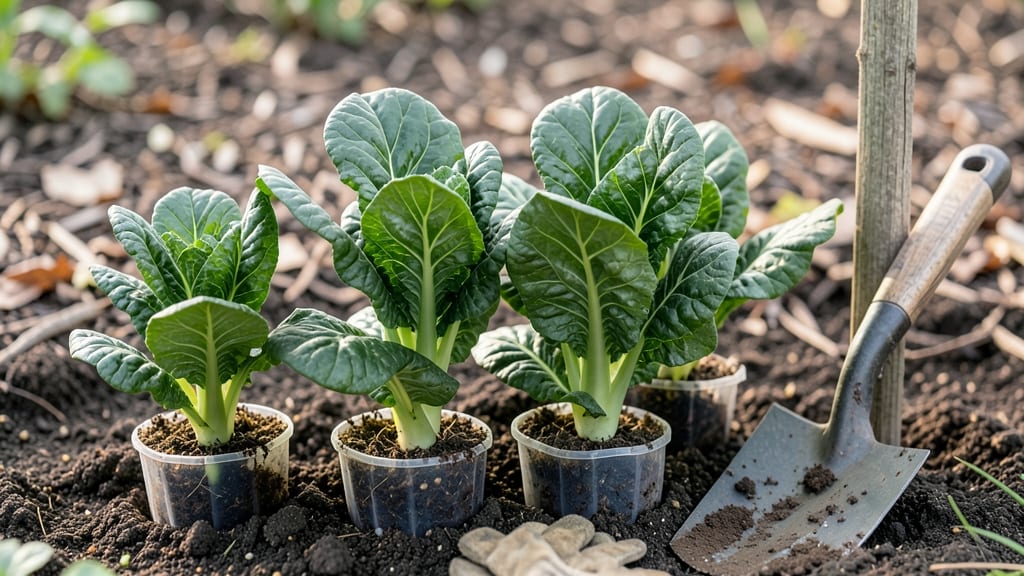
Planting collard greens 🥬 in Tennessee might seem tricky with its shifting seasons, but getting the timing right unlocks a year-round harvest. The key is understanding when to plant for two perfect windows: early spring and late summer, each offering a different set of advantages for your garden.
If you've ever struggled with collards bolting in summer heat or freezing before harvest, you're not alone. Tennessee's 6a-7b climate gives us a unique advantage—mild winters and warm summers—but only if we work with it. The right timing means avoiding frost damage while maximizing growth before summer's intensity sets in.
I'll show you exactly when to start seeds in each season, how to adjust for your specific region (East, Middle, or West Tennessee), and pro tips to extend your harvest well into fall.
Whether you're a first-time gardener or a seasoned green thumb, these strategies will help you grow collards that thrive.
Let's dive into the secrets of planting collard greens at the perfect moment—so you can enjoy fresh, homegrown greens for months to come. You'll learn how to time your plantings like a pro and avoid common mistakes that ruin harvests.
Optimal collard green planting windows in Tennessee: spring vs. fall timing
Tennessee gardeners know that collard greens thrive in our climate—but only if planted at the right time. The two best windows are early spring (March-April) and late summer (August-September). These timings align with soil temperatures and frost-free periods, ensuring robust growth and flavorful harvests.
Let’s break down the ideal planting schedule for Tennessee’s USDA zones 6a-7b, including regional variations from East Tennessee’s cooler highlands to Middle and West Tennessee’s warmer lowlands.
For spring planting, aim for 4-6 weeks before your last frost date. In most of Tennessee, this falls between mid-March and early April. Soil temperatures should reach at least 45°F—cold soil can delay germination.
Use a soil thermometer to confirm readiness, especially in East Tennessee’s higher elevations, where frost lingers longer. In West Tennessee’s zone 7b, you can plant as early as late February if soil is workable.
Fall planting is equally critical for a winter harvest. Seed collards 8-10 weeks before your first frost, typically mid-August to early September. This timing ensures mature plants before mid-October frosts hit.
In Middle Tennessee’s zone 7a, aim for early September to maximize growth before winter chill sets in. Fall-planted collards often produce sweeter leaves after light frost, making them a favorite for holiday meals.
Here’s how Tennessee’s three regions differ in planting timing:
Pro tip: Use row covers or cold frames to extend your spring planting window by 2-3 weeks in cooler regions like East Tennessee. These tools protect young seedlings from late frosts while allowing soil to warm naturally.
For fall, prioritize well-draining soil to prevent waterlogging during Tennessee’s wetter autumn months. Amend beds with compost to improve drainage and fertility.
Missed the spring window? Don’t worry—late summer planting (August) still yields a winter harvest. Choose heat-tolerant varieties like ‘Georgia Southern’ or ‘Vates’ for better success in Tennessee’s humid summers.
Always plant in partial shade during peak heat (June-July) to prevent bolting. Mulch heavily with straw or leaves to retain moisture and regulate soil temperature.
Remember, collard greens are biennial plants, meaning they produce best in their first year. If planted too late in summer, they may not mature before frost. Balance your planting date with your harvest timeline: aim for 60-90 days to maturity before the first 28°F frost.
In Tennessee, this typically means harvesting by late November for fall-planted crops.
For year-round production, stagger plantings every 2-3 weeks from spring through early fall. This succession planting strategy ensures a continuous supply of
How to extend your collard green season: succession planting & cold protection
Want to enjoy collard greens year-round in Tennessee? The secret lies in succession planting and smart frost protection. By staggering your plantings and using simple cold-hardening techniques, you can extend your harvest well beyond the traditional spring and fall windows.
Let’s dive into the 3-step guide that’s worked for my garden—and how to shield your plants from Tennessee’s unpredictable late-season frosts.
Start with late-summer plantings in August for a fall harvest before the first frost. Choose heat-tolerant varieties like Georgia Southern or Vates, which handle Tennessee’s summer heat better than others.
If you’re in East Tennessee, aim for mid-August plantings, while West Tennessee gardeners can push it to early September thanks to slightly warmer microclimates.
Stagger Plantings Every 3 Weeks
Begin with your first batch in late July, then repeat every 3 weeks through early September. This ensures a continuous harvest as older plants mature while younger ones grow.
Use Frost Cloth for Early/Fall Protection
When nighttime temps drop below 30°F, drape a frost cloth over your collards. This adds 5-8°F of protection and keeps leaves crisp. Secure the edges with bricks or stakes to prevent wind damage.
Plant Near Tall Crops for Windbreaks
Position collards next to corn, sunflowers, or tall grasses to block cold winds that accelerate frost damage. In container gardens, group pots together and move them near south-facing walls at night for extra warmth.
For winter harvests, focus on companion planting to deter pests like cabbage worms. Pair collards with basil, marigolds, or onions, which naturally repel insects.
In East Tennessee’s cooler zones (6a-6b), you can even leave collards in the ground over winter, mulching heavily with straw or leaves to insulate roots.
Don’t forget to harvest regularly—even in winter—to encourage new growth. Snip outer leaves when they reach 6-12 inches, leaving the inner leaves to keep producing.
With these techniques, my collard greens have thrived through three seasons, giving me a steady supply from late summer to early spring.
Pro tip: Save seeds from your healthiest plants to adapt to Tennessee’s climate. Local seed selection ensures better cold tolerance and disease resistance for future gardens. 🌱