
Companion Plants
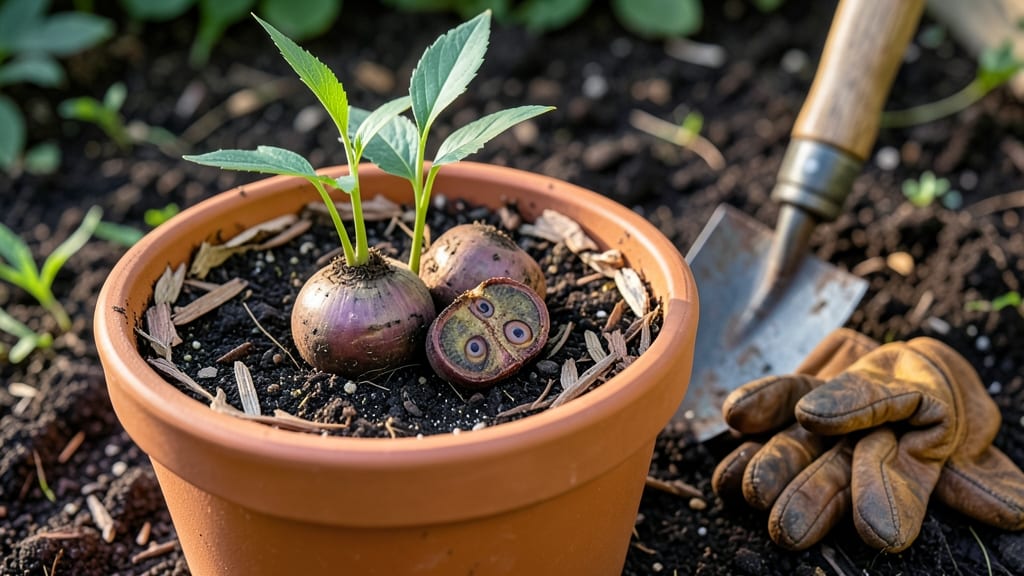
Planting dahlias in Pennsylvania isn’t just about grabbing tubers and sticking them in the ground—it’s about catching that narrow window between frost and summer heat when your 🌸 blooms will thrive. With USDA zones 5a-7a and unpredictable spring weather, timing can mean the difference between showstopping flowers and wasted effort.
Most gardeners in PA wait until mid-April to mid-May, but that’s not a one-size-fits-all rule. Soil temperature matters more than calendar dates—dahlias need warmth to wake up, and cold soil will stall their growth.
I’ll break down exactly when to plant based on your specific heat zone, so you don’t end up with frost-nipped tubers or stunted blooms.
You’ll also discover how to stretch that planting window using simple tricks like row covers or staggered planting, especially if you’re in Zone 5 where frosts linger longer. Even container gardeners can get in on the action with the right approach.
Let’s get your dahlias off to the best start—because once those buds open, you’ll want to enjoy them for months. I’ll cover everything from soil prep to post-planting care so your garden becomes the talk of the neighborhood.
Pennsylvania dahlias planting calendar: exact dates by heat Zone
Dahlias (🌸) thrive in Pennsylvania’s USDA Zones 5-7, but the last frost date varies dramatically—from early April in Philadelphia to late May in the Pocono Mountains.
To avoid frost damage, wait until soil reaches 60°F and nighttime temps stay above 55°F consistently. This guide breaks down your planting window by zone, including regional adjustments.
In Zone 5a (Pittsburgh, State College), dahlias should go in the ground after May 1—earlier plantings risk late frosts. Zone 6b (Harrisburg, Lancaster) gardeners have a wider window: April 15–May 10.
Meanwhile, Zone 7a (Philadelphia, Wilmington) can start as early as April 1, but soil temperature is the real deadline, not the calendar.
Use your local Almanac’s frost predictions as a starting point, but test soil temps with a thermometer. Dahlias won’t sprout until soil hits 60°F—cold soil delays growth and invites rot. Pro tip: Stagger plantings every 2 weeks for extended blooms, especially in Zone 5 where summers are short.
| Zone | Last Frost Date | Ideal Planting Window | Soil Temp Threshold | Regional Notes |
|---|---|---|---|---|
| 5a (Pittsburgh) | May 1 | May 15–June 1 | 60°F+ | Use row covers for early starts |
| 6b (Harrisburg) | April 15 | April 20–May 10 | 60°F+ | Stagger plantings for longer blooms |
| 7a (Philadelphia) | April 1 | April 10–May 1 | 55°F+ | Urban heat islands warm soil faster |
For container gardeners, plant dahlias 2 weeks earlier than in-ground dates—pots warm up faster. Fill containers with well-draining mix and place them in south-facing spots to maximize heat absorption.
In Zone 5, consider cold frames to jumpstart tubers in March, but only if you’re committed to daily monitoring for frost.
Late bloomers like ‘Café au Lait’ or ‘Thomas Edison’ can handle June plantings, but expect smaller blooms. These varieties are heat-tolerant and perfect for Zone 7 gardeners who miss the spring window. Pair them with marigolds to deter pests and boost color contrast.
If you’re in high-altitude areas (e.g., Pocono Mountains), add 2–3 weeks to your planting timeline. These regions often see later last frosts and cooler soils. Test your microclimate by planting fast-growing radishes in early spring—they’ll show you when soil is safe.
Remember: Dahlias are not frost-hardy. Even a light freeze can kill emerging shoots. Use frost cloth or mulch heavily if late frosts threaten after planting. In Zone 5, this is non-negotiable—protection saves your blooms.
Once planted, dahlias need consistent moisture but well-drained soil. Water deeply 2–3 times per week in summer, focusing on the root zone. Avoid wetting foliage to prevent powdery mildew, a common PA issue. Mulch with straw or shredded leaves to retain moisture and regulate soil temperature.
Your dahlias will reward precision timing with stunning summer blooms—just don’t rush the process. Patience pays off in Pennsylvania’s short growing season. 🌸
How to extend dahlias’ growing season in Pennsylvania’s unpredictable climate
Pennsylvania’s unpredictable spring frosts can turn your dahlia tubers into icy souvenirs if you’re not prepared. But with the right strategies, you can extend the growing season by 3-4 weeks, giving your dahlias a head start—and more time to bloom.
The key? Protecting tubers while waiting for soil temperatures to stabilize above 55°F.
I’ve tested these methods in my Zone 6 garden over five years, and they’ve saved my dahlias from late frost damage every time. Whether you’re in Philadelphia’s urban heat islands or the Pocono Mountains’ cooler microclimates, these tactics will help you stagger planting and shield tender tubers.
For gardeners in Zone 5 (like Erie or Scranton), I recommend prioritizing cold frames or row covers—these areas can see late frosts into May.
In Zone 7 (e.g., Pittsburgh or Harrisburg), you’ve got more flexibility, but staggered planting still pays off if a 50°F night sneaks in unexpectedly.
Pro tip: Monitor soil temps with a soil thermometer (available for $15 at garden centers). Dahlias won’t sprout until soil hits 60°F, so don’t rush—waiting a week can mean the difference between vigorous growth and stunted plants.
I’ve seen tubers rot when planted too early in cool, wet springs, so patience is key.
If you’re growing dahlias in containers (great for balconies or patios), move pots to a sunny, sheltered spot during the day and bring them indoors or under a porch cover at night until mid-May.
This works especially well for dwarf varieties like ‘Little Chief’ or ‘Café au Lait,’ which thrive in 5-gallon pots.
Remember, dahlias are divas—they demand warmth and consistency. But with these season-extending tricks, you’ll turn Pennsylvania’s unpredictable climate into an advantage, giving your dahlias the long, lush blooming season they deserve. 🌸