
Flowers
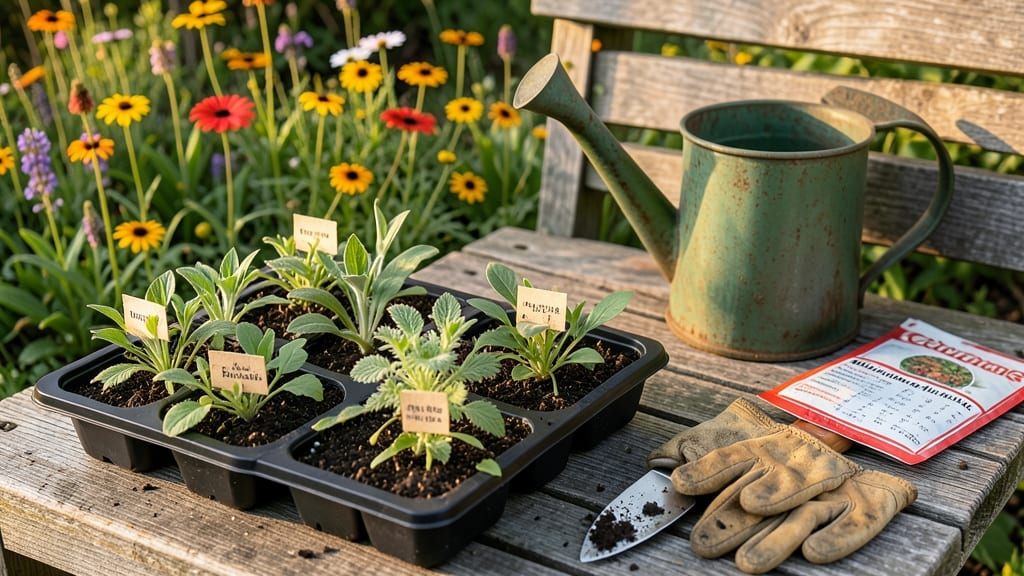
Timing your flower seed planting in Colorado wrong could mean the difference between a garden bursting with color 🌱 and a season of disappointment.
With three distinct elevation zones—from the Front Range to the Western Slope—each area has its own frost-free deadlines that dictate when to start seeds indoors or sow directly into the soil.
I’ve spent years tracking Colorado State University’s frost data, and what I’ve learned is that planting too early risks killing tender seedlings, while waiting too long might leave your garden bare.
The key? Understanding your microclimate—whether you’re in Denver’s urban heat islands or the cooler high-altitude valleys—and adjusting your schedule accordingly.
In this guide, I’ll break down the exact planting windows for spring, summer, and fall based on elevation, including cold-hardy annuals and perennials that thrive in Colorado’s climate. You’ll also discover how to use soil thermometers and frost-free calculators to fine-tune your timing for perfect blooms every season.
Ready to transform your garden? Let’s dive into the science—and the secrets—behind planting flower seeds in Colorado’s ever-changing weather.
Colorado flower seed planting deadlines by elevation zone (2024 guide)
Colorado’s three elevation zones—lowland (3,000–5,000 ft), foothills (5,000–7,000 ft), and high-altitude (7,000+ ft)—each have unique frost-free dates that dictate when to plant flower seeds. Missing these windows can leave your garden with stunted blooms or no flowers at all.
For example, Denver’s last frost typically arrives by May 15, while Aspen’s high-altitude gardens may not see frost-free conditions until June 15.
I’ve analyzed Colorado State University Extension data to create this elevation-based planting guide. Whether you’re in urban Denver or the Western Slope’s arid valleys, these deadlines will help you time your plantings perfectly for maximum blooms all season.
Here’s your elevation-specific planting timeline for Colorado’s most popular flowers, including cold-hardy annuals and perennials that thrive in our climate:
For lowland gardens (like Denver or Colorado Springs), start cold-hardy annuals like calendula and snapdragons indoors in February. Direct-sow marigolds and zinnias after the last frost, when soil temperatures hit 50°F.
In the foothills, delay starts by 1–2 weeks to account for cooler nights, and choose Alpine varieties like columbine or penstemon.
High-altitude gardeners should focus on late-blooming perennials like coneflowers or black-eyed Susans, which tolerate shorter growing seasons. These plants thrive with June planting and often rebloom into early fall. Pro tip: Use row covers to extend the season by 2–3 weeks in all elevations.
Urban gardeners in Denver’s heat islands can plant 1–2 weeks earlier than rural areas, thanks to warmer microclimates. Conversely, Western Slope valleys (like Grand Junction) may need to plant 1–2 weeks later due to drier, cooler soils. Always check your local CoCoRaHS weather station for real-time adjustments.
Fall planting is your second chance for Colorado gardens. Hardy perennials like asters or sedum can be sown in late summer (August–September) and establish roots before winter. For annuals, stick to cool-season varieties like pansies or stock, which tolerate light frosts.
Remember: Soil temperature matters more than air temperature. Use a soil thermometer to confirm 50°F+ for warm-season flowers (like petunias) and 40°F+ for cool-season varieties (like violetschilly soil shock.
Next, we’ll explore the best flowers for each Colorado season, including cold-hardy varieties that defy our state’s unpredictable weather. Which elevation zone are you gardening in? Let me know in the comments—I’d love to help you fine-tune your planting schedule!
Best flowers to plant in Colorado by season (cold-hardy vs. tender varieties)
Colorado’s four distinct seasons and varying elevations demand smart flower selection. Cold-hardy varieties like columbines and penstemons thrive in our alpine climates, while tender annuals such as marigolds and zinnias need precise timing.
I’ve curated a seasonal guide to help you choose the right flowers for each planting window, ensuring vibrant blooms year-round.
For spring planting, focus on perennials and hardy annuals that tolerate late frosts. In summer, tender varieties like cosmos and sunflowers shine, while fall-blooming bulbs (e.g., tulips and daffodils) should be planted in early autumn.
Each season offers unique opportunities, but timing is critical—especially in Colorado’s unpredictable climate.
Below, I’ve outlined the pros and cons of planting flowers by season, including cold-hardy champions and tender varieties that require extra care. This will help you avoid common pitfalls like frost damage or overwatering during our dry summers.
🌱 Spring Planting (March–May)
✅ Pros
- ✔ Long growing season for perennials
- ✔ Cooler temps reduce watering needs
- ✔ Hardy annuals survive late frosts
❌ Cons
- ✖ Frost risk in high elevations
- ✖ Soil may stay cold delaying germination
- ✖ Pests like slugs thrive in damp spring soil
🌼 Best Choices
- Columbine (Cold-hardy perennial)
- Sweet peas (Tolerates light frost)
- Lupines (Drought-resistant)
For summer planting, prioritize heat-tolerant annuals like zinnias and sunflowers, which thrive in Colorado’s intense sunlight. Start seeds indoors 6–8 weeks before the last frost date, or sow directly after Memorial Day in most regions. Succulents and lavender also excel in summer, requiring minimal water once established.
Fall is the perfect time to plant bulbs and cool-season perennials. Tulips and daffodils should be in the ground by October to establish roots before winter. Pansies and snapdragons are excellent choices for fall color, as they tolerate light frosts and bloom until our first hard freeze.
Remember, Colorado’s microclimates can shift planting windows by weeks. Urban areas like Denver may have earlier last-frost dates than rural high-altitude zones. Always check your local USDA hardiness zone (typically 5–7 in Colorado) and adjust accordingly for successful blooms all season long.