
Trees
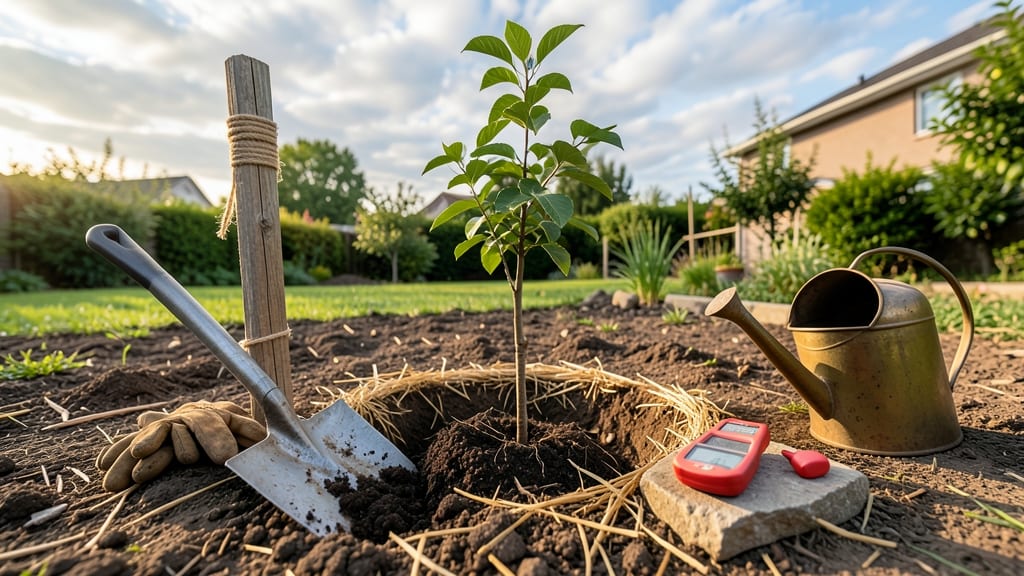
Planting your 🍎 fruit tree at the wrong time in Zone 8 could mean struggling with weak roots, heat stress, or even failure to thrive—but getting the timing right makes all the difference.
When you plant in late winter or early spring, you give your fruit tree a 4-6 week head start before summer heat arrives. This is the most critical window for root establishment, especially in Zone 8 where temperatures can swing dramatically.
Whether you're working with bare-root saplings or container-grown trees, the right timing ensures strong growth before the real heat sets in.
I’ve seen firsthand how a fruit tree planted too late can struggle—wilting under Zone 8’s intense sun, or failing to develop the deep root system it needs. But with the right approach, you’ll set your tree up for years of healthy growth and bountiful harvests.
Let’s break down exactly when and how to plant for success.
From soil prep to microclimate considerations, I’ll walk you through every step to make sure your fruit tree takes root like a pro. Ready to get started?
Best planting months for fruit trees in Zone 8 by tree type
Zone 8 offers a 6-8 month growing season, but planting fruit trees at the wrong time can lead to stress or failure. The ideal window is late winter to early spring—specifically February through April—when soil is workable but before summer heat arrives.
This gives roots 4-6 weeks to establish before temperatures rise above 85°F.
For deciduous fruit trees like peaches, plums, and apples, aim to plant 4-6 weeks before your last frost date. In most of Zone 8, this means mid-February to early March.
Evergreen trees like citrus or figs have slightly more flexibility, as they tolerate warmer soil and can handle late winter to early spring planting.
Here’s how to align your planting with tree type and microclimate in Zone 8:
If you miss the ideal window, fall planting (October–November) is a second option for deciduous trees, but only if your soil stays above 40°F. Evergreens like citrus should never be planted in fall, as they’re sensitive to cold soil and frost.
For bare-root trees, plant as soon as roots are visible (typically late winter). Container-grown trees can handle spring planting until May, but avoid summer heat, which causes transplant shock. Always check your local last frost date—even within Zone 8, microclimates vary by 1-2 weeks.
Pro tip: Use a soil thermometer to confirm soil temps match your tree’s needs. For example, peaches need 45°F soil, while citrus thrives in 60°F+ soil. Planting too early in cold soil can stunt root growth, while waiting too long risks heat stress.
How to prepare soil and conditions for Zone 8 fruit tree planting success
Zone 8’s mild winters and long growing season make it ideal for fruit trees—but only if you prepare the soil and microclimate correctly. Cold-sensitive varieties like citrus need well-draining soil with a slightly acidic pH (6.0-7.0), while stone fruits thrive in loamy, slightly alkaline soil (6.5-7.5).
The key is preparing your site 4-6 weeks before planting to give roots time to establish before summer heat arrives.
Start by testing your soil pH and drainage—compaction or poor aeration can strangle young roots. In Zone 8, clay-heavy soils (common in Southern California) need organic matter like compost or aged manure to improve structure.
For sandy soils (like those in coastal areas), peat moss or coconut coir helps retain moisture without suffocating roots.
🌱 Pro Tip: Dig a hole twice as wide as the root ball but only as deep as the container’s base. This encourages roots to spread horizontally, avoiding the "planted too deep" trap that causes girdling and poor growth.
⚠️ Warning: Avoid These Zone 8 Pitfalls
🔥 Planting in summer: Soil temps above 80°F can scorch roots. Wait until spring (Feb-Apr) or fall (Oct-Nov) for best success.
💧 Overwatering: Zone 8’s humidity + poor drainage = root rot. Use a moisture meter to check soil before watering.
🌡️ Ignoring microclimates: Coastal areas (e.g., San Diego) are cooler than inland deserts (e.g., Phoenix). Adjust planting dates by 2-4 weeks based on local frost data.
For bare-root trees, soak roots in water or a rooting hormone for 1-2 hours before planting to reduce transplant shock. If planting in containers, use a fast-draining mix (60% soil, 30% compost, 10% perlite) and elevate pots to prevent waterlogging.
Remember, mulch heavily (3-4 inches of wood chips) to retain moisture and regulate soil temperature—critical in Zone 8’s hot, dry summers.
🌿 Zone 8-Specific Hack: Plant windbreaks (like bamboo or shrubs) on the north side of your tree to protect it from Santa Ana winds, which can dry out soil and stress young plants.
This is especially important for citrus and figs, which are prone to leaf scorch in high winds.
Finally, water deeply immediately after planting to eliminate air pockets, then maintain consistent moisture for the first 6-8 weeks. In Zone 8, drip irrigation is ideal—it delivers water slowly and directly to roots, avoiding fungal issues from overhead sprinklers.
Adjust your watering schedule based on rainfall: reduce by 50% during monsoon season (July-Sept) to prevent over-saturation.