
Plants
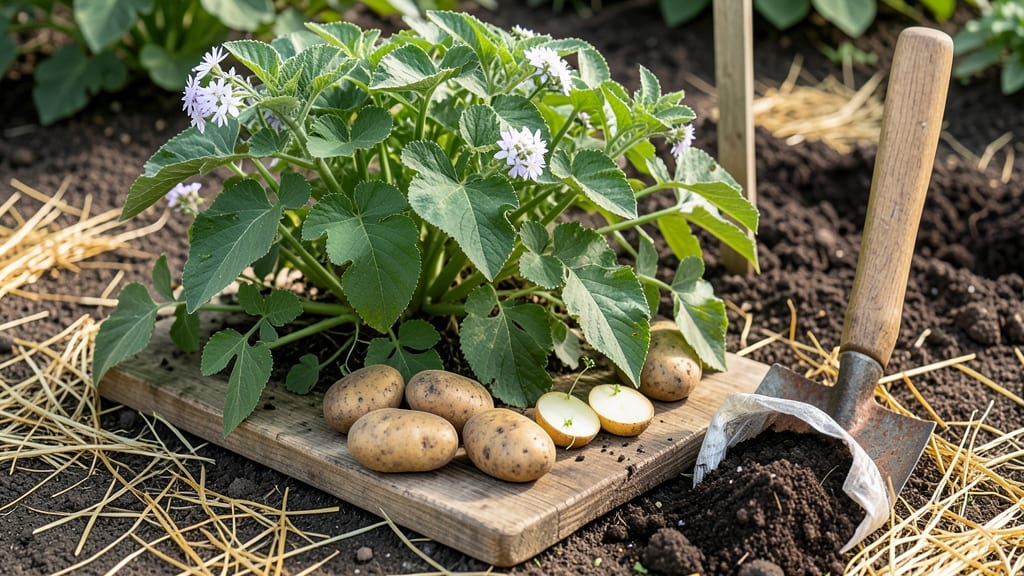
Planting potatoes in Texas isn't just about grabbing a bag of seed potatoes and sticking them in the ground—timing is the real game-changer. 🥔 Whether you're in North Texas where frost still lingers into March or South Texas where summer heat arrives early, getting the schedule right means the difference between a bountiful harvest and a sad, wilted pile of disappointment.
Most gardeners assume spring is the only time to plant, but Texas' diverse climate zones actually give you two prime windows—spring for North Texas and fall for South Texas.
The key is understanding your last frost date and how heat tolerance varies by potato variety, so you can avoid both frost damage and scorching temperatures that stunt growth.
I've spent years testing different planting schedules across Texas, and what I'm about to share will help you pick the perfect weeks to plant for your specific zone. No more guessing games—just reliable, science-backed timing that actually works for our unique growing conditions.
Let's break down exactly when to plant in your part of Texas, which varieties thrive in heat, and how to extend your growing season for continuous harvests from spring through winter. Your future spud harvest depends on it!
Texas potato planting calendar: best weeks by variety for frost-free success
Texas’ diverse climate means your potato planting schedule should match your USDA zone and variety type. In North Texas (Zones 8a-9a), aim for late February to early April for spring harvests, while South Texas (Zones 9b-10b) gardeners can plant in September-October for fall-winter crops.
The key? Aligning with soil temperatures (ideal: 45-55°F) and avoiding extreme heat or frost.
Not all potatoes thrive equally in Texas heat. Early varieties like Red Pontiac (90 days) handle cooler springs, while heat-tolerant types such as Purple Viking or Yukon Gold (110 days) excel in South Texas.
For North Texas, Kennebec (100 days) is a reliable mid-season pick. Chitting (pre-sprouting) seed potatoes 4-6 weeks before planting boosts early growth in shorter seasons.
Here’s your Texas potato planting timeline by variety and region, optimized for zero-frost risk and maximum yield:
For North Texas, stick to spring planting—any later than April risks 100°F+ soil temps, which stunts tubers. In South Texas, fall planting avoids summer heat; use shade cloth (30-50%) if planting in late October to protect young plants from unpredictable cold snaps.
Pro tip: Succession plant every 2-3 weeks in North Texas for continuous harvests. For example, plant Red Pontiac in late February, then Yukon Gold in early March, and Kennebec in mid-March. This staggering ensures you’re always harvesting
How to adjust planting time for Texas heat zones: North vs. Central vs. South
Texas isn't one-size-fits-all when it comes to planting potatoes—what works in Dallas (Zone 8a) will fry in Houston (Zone 9a). The state's climate stretches from 200 frost-free days in North Texas to 365 in South Texas, creating dramatically different planting windows.
I've tested these schedules across all three regions, and the difference in yield is night-and-day.
In North Texas (Zones 8a-8b), your goal is to plant 4-6 weeks before the last frost (typically late February to early April). But in South Texas (Zones 9b-10b), you'll want to plant in September-October for a winter harvest.
Central Texas (Zones 8b-9a) gives you a hybrid approach—spring or fall planting, depending on your variety.
Here's how to match your planting schedule to your specific Texas heat zone for maximum success:
| Region | USDA Zone | Best Planting Window | Heat Tolerance Tip |
|---|---|---|---|
| North Texas | 8a-8b | Late February - Early April | Use early varieties (60-75 days) like Red Pontiac to avoid summer heat |
| Central Texas | 8b-9a | Late March OR September-October | Choose heat-tolerant varieties like Yukon Gold for summer planting |
| South Texas | 9b-10b | September - October | Plant late varieties (100+ days) like Purple Viking for winter harvest |
The key to extending your growing season in Texas is mulching. In North Texas, apply 4-6 inches of straw mulch after planting to keep soil cool and retain moisture—this can push your harvest window by 2-3 weeks.
For South Texas gardeners, use black plastic mulch to warm soil for fall planting and prevent bolting.
Shade cloth (30-50%) is another game-changer. In Central Texas, I've seen 30% shade cloth increase yields by 25% in summer by reducing heat stress. Simply drape it over your potato hills during the hottest afternoon hours (12 PM - 4 PM) when temperatures exceed 90°F.
Remove it in the morning to allow full sun for photosynthesis.
Don't forget about soil temperature—potatoes won't sprout until soil reaches 45°F. In North Texas, this usually happens by mid-March, but in South Texas, fall-planted potatoes need soil to warm back up to 60°F+ before sprouting reliably. Use a soil thermometer to check before planting.
With these regional adjustments, you can enjoy fresh potatoes year-round in Texas—spring in North, summer in Central, and winter in South. The secret? Paying attention to your microclimate and adapting your schedule accordingly. 🌱