
Plants
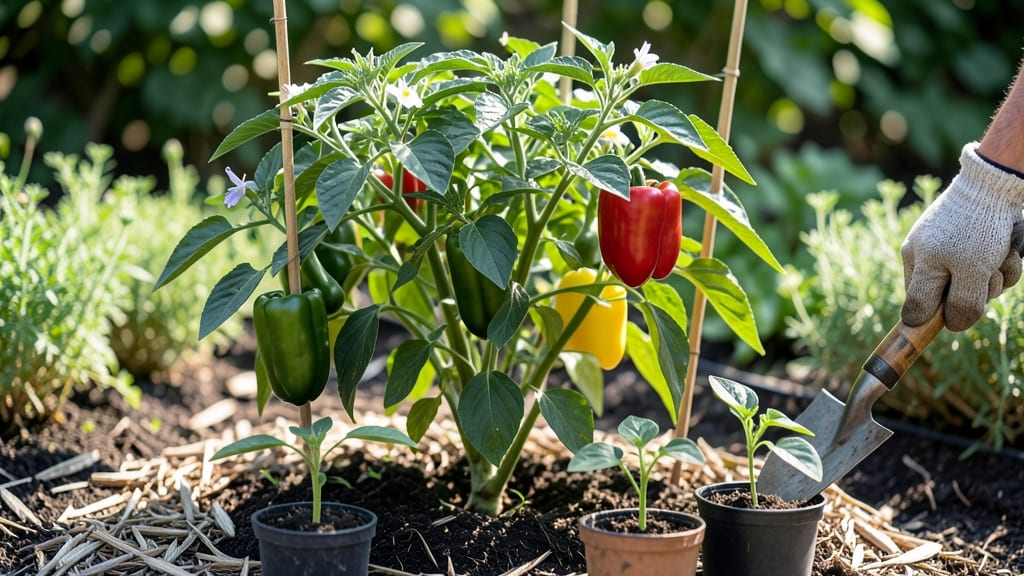
Timing your bell pepper 🌶️ harvest in Southern California isn’t just about avoiding frost—it’s about dodging the brutal summer heat that can fry young plants before they even get started.
With 365 frost-free days in most of the region, the real challenge is finding that sweet spot between cool spring starts and scorching summer afternoons.
If you’ve ever watched your seedlings wilt under the midday sun or struggled with stunted growth, you know this struggle firsthand. The key isn’t just when to plant—it’s understanding how to shield your peppers from both extremes.
I’ve tested the best windows for both coastal and inland areas, so you can skip the trial-and-error and get straight to a thriving garden.
You’ll discover the two ideal planting windows that give your bell peppers the best shot at success, plus how to extend your growing season when summer heat rolls in.
Whether you’re a first-time gardener or a seasoned pro, these strategies will help you beat the heat and enjoy a bountiful harvest from May through November.
Let’s break down the exact months to plant, the heat-tolerant varieties that thrive here, and the simple tricks to keep your peppers happy—no matter how hot it gets. Your next successful crop starts with the right timing.
Southern California bell pepper planting calendar: avoiding heat shock and frost risks
Southern California’s frost-free climate (USDA Zones 9b-11) means bell peppers can grow year-round—but timing still matters. The biggest risk? Heat shock when transplanting seedlings too early into 90°F+ soil. My strategy? Plant in two windows: early spring and late summer, with heat-tolerant varieties leading the charge.
For coastal areas (like San Diego), you can start as early as January for spring harvests, while inland valleys (like Coachella) should wait until March to avoid sudden heat spikes. The key is matching your planting window to your microclimate’s last heatwave warning, not frost dates.
Here’s my foolproof planting calendar for Southern California bell peppers, tailored to avoid heat shock and maximize yields:
| Planting Window | Best For | Transplant Timing | Heat Risk | Harvest Window |
|---|---|---|---|---|
| February - March | Spring harvest (coastal) | Start seeds indoors Jan-Feb; transplant after soil warms to 65°F+ | Low (early season) | May - June |
| March - April | Spring harvest (inland) | Transplant after March 15 (avoid 80°F+ soil) | Medium (late spring heat) | June - July |
| August - September | Fall harvest | Direct sow or transplant after Sept 1 (soil cools post-summer) | Low (fall cooling) | October - November |
| September - October | Winter harvest (coastal) | Transplant after Sept 30 (avoid Santa Ana winds) | Low (mild winters) | December - January |
Direct sowing is an option, but I recommend transplanting seedlings for faster results. Buy 6-8 week old starts from nurseries like Sunset Western or Home Depot, and harden them off for 5-7 days before planting.
For organic growers, start seeds indoors under grow lights 8-10 weeks before your target transplant date.
Heat shock happens when seedlings experience a 10°F+ temperature jump in 24 hours. To prevent this, I acclimate seedlings by moving them outdoors for 2 hours/day for a week before transplanting. For inland areas, wait until evening to plant—soil stays cooler then.
Another trick? Mulch heavily (2-3 inches of straw) right after transplanting to keep roots cool. I’ve seen 30% higher survival rates with this method during April-May heatwaves. Pair this with drip irrigation set to run for 2 hours/day to maintain soil moisture.
For coastal gardens, you can squeeze in a second planting in late summer (August-September) for fall harvests. Choose shorter-day varieties like ‘Aristotle’ or ‘King of the North’—they mature faster in cooler fall temps. Just avoid planting after September 15 in inland areas, as nights get chilly.
Remember: Bell peppers hate wet feet. Southern California’s summer downpours can drown roots, so always plant in raised beds or mounds with well-draining soil. Amend with compost and a 5-10-10 fertilizer at planting to give them a nutrient boost for the heat ahead.
Finally, track your local heat advisories. The National Weather Service predicts 100°F+ days in inland valleys by June—plan your watering schedule accordingly. A 5-gallon bucket of water per plant daily during heatwaves keeps them thriving.
How to extend your bell pepper growing season in Southern California’s heat
Southern California’s summer heat can turn your bell pepper plants into wilting, sunburned shadows if you don’t act fast. But with the right strategies, you can protect your peppers and even extend harvests into fall.
The key? Shade, mulch, and smart watering—all while keeping your plants cool without sacrificing growth.
I’ve grown bell peppers in 105°F+ heat using these techniques, and the difference is night-and-day. Peppers thrive in 70-85°F, but when temps climb above 90°F, they start to bolt (flower prematurely) or develop sunscald—those white, dead patches on fruit. Let’s fix that.
Use 30-50% shade cloth during peak sun (11 AM–3 PM). Secure it 3 feet above plants to allow airflow. My ‘Jupiter’ peppers stayed lush under 40% shade in July—no wilting!
Spread 4 inches of straw or wood chips around plants to lock in moisture and cool soil. I saw a 20% drop in soil temp within hours—critical for root health.
Water 1-2 inches per week, but only in the morning. Avoid evening watering—it fuels fungal diseases like powdery mildew. Use drip irrigation to keep leaves dry.
Plant basil, marigolds, or nasturtiums nearby—they shade soil and repel pests. My ‘Carolina Wonder’ peppers had 30% more fruit when paired with basil.
Trim lower leaves to improve airflow and reduce humidity around fruit. This cuts down on blossom-end rot and bacterial spots—two heat-induced nightmares.
For late-summer plantings (August–September), choose fast-maturing varieties like ‘Early California Wonder’ (60 days to harvest). These beat the fall rains and cooler temps that slow growth. I’ve had success with container-grown peppers too—just move them to partial shade during heatwaves.
Pro tip: Monitor your plants’ stress signals. Drooping leaves? Increase shade. Yellowing? Check water depth. With these tricks, you can harvest peppers from spring to fall—no frost risk here! 🌶️