
Plants
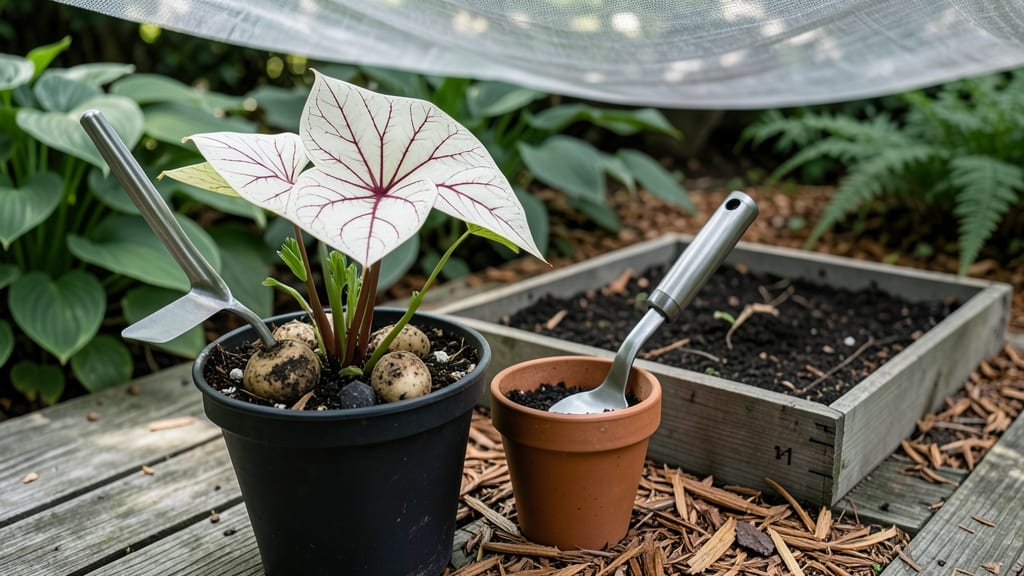
Planting Caladium bulbs in Texas isn’t just about waiting for spring—it’s about catching the perfect soil temperature window to avoid frost damage or stunted growth. These vibrant, 🌿-leafed beauties crave warmth, but timing them wrong means your garden could miss out on their stunning summer foliage entirely.
Most Texas gardeners assume March is the only month that works, but the truth is more nuanced. North Texas (Zone 8a) needs to wait until after mid-March, while South Texas (Zone 10+) can plant as early as late February.
The key? Soil should be at least 55-60°F—cold enough to deter rot, warm enough to encourage roots.
Here’s the game-changer: even within Texas, microclimates matter. East Texas’s humidity keeps soil warmer longer, while West Texas’s dry heat means bulbs need extra moisture. I’ll break down the exact cues—from frost-free dates to heatwave prep—to ensure your Caladiums thrive all season.
Ready to skip the guesswork? Let’s dive into the soil secrets that’ll have your garden bursting with color—without the risk of frost or wilting. Your summer shade garden starts here.
Texas caladium planting timeline: soil temperature rules for zero-frost survival
Texas’s variable climate makes caladium bulb planting tricky—too early, and frost zaps your vibrant foliage; too late, and you miss peak summer color. The magic window hinges on soil temperature, not just air temperature.
In North Texas (Zone 8a), wait until soil hits 55-60°F (usually mid-to-late March), while South Texas (Zone 10+) can start as early as late February.
Why soil temp? Caladiums rot in cold, soggy soil but refuse to sprout in below-55°F conditions. The USDA’s frost-free maps are a starting point, but Texas’s microclimates (East vs. West) throw a wrench into the plan.
For example, Houston’s humidity keeps soil warmer longer than El Paso’s dry heat, which dries out bulbs faster.
Here’s the non-negotiable rule: Test soil warmth with a soil thermometer (or the back-of-hand trick—if it feels cool but not freezing, it’s ready). Planting too soon in North Texas risks frost damage; delaying in South Texas means stunted growth when summer heat arrives.
🌱Pro Tip: Use black plastic mulch to warm soil faster in cooler zones. Lay it down 1-2 weeks before planting to create a microclimate that mimics South Texas’s natural conditions.
Texas’s East vs. West divide creates a 3-week difference in planting windows. In East Texas, humidity keeps soil warmer, so you can plant 2-3 weeks earlier than in West Texas, where dry air accelerates moisture loss.
For example, Tyler (Zone 8a) aligns with Dallas (Zone 8b), but Lubbock (Zone 7b) plays by North Texas rules despite being geographically closer to Central Texas.
🌡️Heatwave Hack: If summer arrives early (like in 2023’s record heatcaladiums in containers to move them to shade during 100°F+ days. This buys you 4-6 extra weeks of vibrant foliage before dormancy.
Don’t rely solely on calendar dates—watch for local cues like wisteria blooms (signals 55°F soil) or azalea leaves unfurling (signals 60°F). These native plants are Texas’s built-in soil thermometers.
💡Soil Prep Secret: Amend your soil with composted pine bark (Texas’s native mulch) to improve drainage and retain moisture. Caladiums hate soggy roots, so 10% perlite in heavy clay soils prevents rot.
Once planted, mulch heavily with 3-4 inches of straw to keep soil temps stable. This is especially critical in West Texas, where diurnal temperature swings (hot days, cold nights) stress bulbs. Mulch acts as a thermal blanket, protecting roots from temperature shocks.
🌿Final Check: After planting, water
Texas caladium planting timeline: soil temperature rules for zero-frost survival
Caladium bulbs in Texas demand precision timing—soil temperature is the secret weapon against frost damage. Unlike frost-sensitive plants, caladiums need 55-60°F soil to sprout consistently.
In North Texas (Zone 8a), wait until mid-March after the last frost (typically March 15), while South Texas (Zone 10+) can start as early as late February.
Why? Cold soil (below 55°F) triggers rot, while soil too warm (above 65°F) speeds up sprouting but risks heat stress. The ideal window is when daytime highs hit 70°F+—a sure sign roots will establish without freezing.
| Texas Region | Last Frost Date | Planting Window | Soil Temp Check |
|---|---|---|---|
| North Texas (8a) | March 15 | March 15–April 15 | 55–60°F (use thermometer) |
| Central Texas (8b-9a) | March 1 | March 1–April 10 | 58–62°F (warmer soil) |
| South Texas (10+) | February 15 | February 20–March 30 | 60–65°F (humidity helps) |
No soil thermometer? Test readiness by pressing your finger 2 inches deep—if it feels warm (not hot), it’s time. East Texas’s humidity keeps soil warmer, so plant 1–2 weeks earlier than West Texas, where dry air cools soil faster.
Always plant 4–6 inches deep in well-draining soil mixed with compost.
Pro tip: Use black plastic mulch to warm soil faster in cooler zones. Lay it down 2 weeks before planting to accelerate soil temperature. This trick adds 5–10°F to soil warmth, extending your planting window in North Texas by 7–10 days.
After planting, monitor for yellowing leaves—a sign of overwatering or cold soil. Mulch with 2–3 inches of straw to insulate roots and retain moisture. In West Texas, add extra mulch to prevent soil from drying out too quickly.
Your Caladiums will reward you with bold foliage by late May if planted correctly. The key? Soil temp + region—not just the calendar. Master this, and you’ll avoid the #1 mistake Texas gardeners make: planting too early and losing their bulbs to frost. 🌿