
Plants
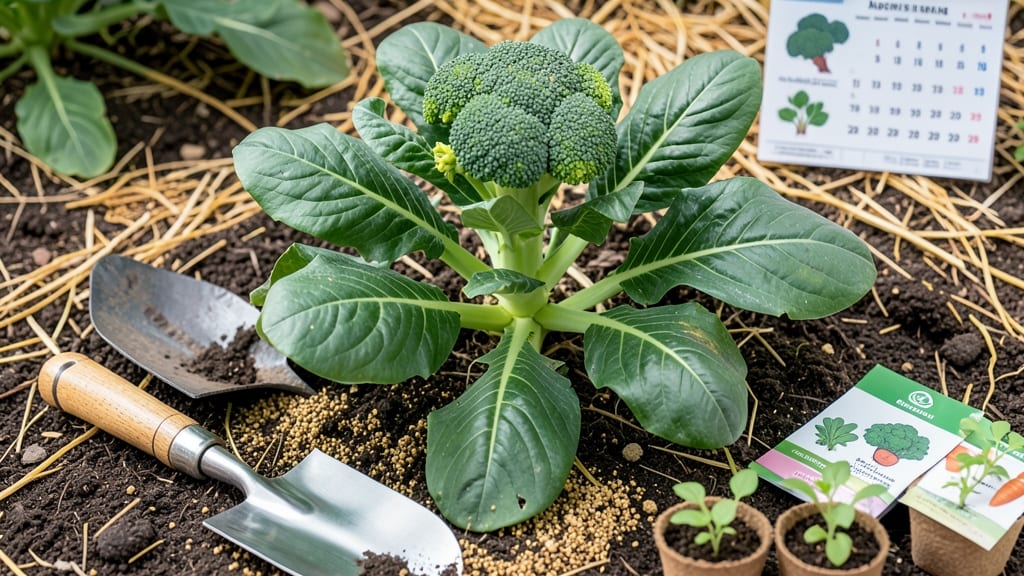
Planting fall crops in Zone 8 isn’t just possible—it’s your secret weapon for a garden that keeps giving long after summer fades. 🌾 With the right timing, you can enjoy fresh kale, crisp carrots, and tender broccoli right up until winter’s first frost, even if you missed the spring rush.
Here’s the catch: get the schedule wrong, and you’ll be left with wilted dreams instead of homegrown harvests. Zone 8’s warm summers and unpredictable frost dates demand precision, but once you master the timing, your fall garden will thrive while others are still dreaming of next spring.
I’ll walk you through the exact planting windows for your favorite crops, from fast-growing radishes to slow-maturing Brussels sprouts, so you can plan with confidence. No more guessing—just reliable harvests, even in the face of late heatwaves or early chills.
Ready to turn your backyard into a fall feast? Let’s dive into the critical dates and strategies that’ll keep your garden productive until December—and maybe even beyond.
Fall planting calendar for Zone 8: exact dates by maturity days
Zone 8 gardeners have a golden window for fall planting that stretches from mid-August to October. The key is matching your crop’s maturity days to your local first frost date, which typically falls around mid-December in most of Zone 8.
For example, if your carrots need 70 days to mature, you’ll want to plant them by early October to harvest before frost.
Northern Zone 8 areas (like Atlanta, GA) tend to have earlier frosts than southern regions (like Las Vegas, NV). Adjust your timeline accordingly—southern Zone 8 can often plant 2-3 weeks later without frost risk.
Always check your local frost dates for precision, as microclimates can shift planting windows by weeks.
🌱 Did You Know? Some crops, like radishes or bush beans, can handle light frosts, while others, like lettuce or spinach, will bolt if exposed to freezing temps. Knowing these differences can save your harvest.
| Crop | Maturity Days | Planting Window | Notes |
|---|---|---|---|
| Kale | 45-60 | Late July - Early Sept | Cold-hardy; sweeter after frost |
| Broccoli | 60-80 | Mid-August - Late Sept | Needs consistent moisture |
| Carrots | 60-75 | Late July - Early Oct | Loose, well-drained soil |
| Spinach | 30-50 | Mid-August - Late Sept | Bolt-resistant varieties preferred |
| Brussels Sprouts | 80-100 | Early August - Mid-Sept | Longer season; plant early |
| Radishes | 25-30 | Late July - Early Oct | Fastest harvest; great for succession |
For heat-tolerant crops like sweet potatoes or black-eyed peas, you can push planting into early August. These crops thrive in warm soil and can handle late-summer heat before cooler fall temps arrive. Start seeds indoors or use row covers to protect young plants from late-summer pests like aphids.
If you’re new to fall planting, succession planting is your best friend. For example, sow radishes every 2 weeks from July through September to ensure a continuous harvest. This method also reduces the risk of overcrowding and pest outbreaks that can occur when planting all at once.
Pro tip: Use a planting calendar app or mark your frost dates on a garden journal. I always jot down my local frost date and work backward from there.
For instance, if frost hits December 15th, I’ll plant 70-day crops by October 1st to ensure they mature before the cold sets in.
Don’t forget to harden off seedlings before transplanting. Gradually expose them to outdoor conditions over 7-10 days to avoid shock. This is especially critical for cool-season crops like cabbage or cauliflower, which can wilt dramatically if not acclimated properly.
For slow-maturing crops like Brussels sprouts or leeks, consider using a cold frame or low tunnel to extend the season. These structures can add 4-6 weeks of growing time by trapping heat and shielding plants from light frosts.
Just be sure to remove them during unseasonably warm days to prevent overheating.
Finally, always test your soil before planting. Fall crops thrive in well-draining, slightly acidic soil (pH 6.0-7.0). Amend your soil with compost or aged manure in late summer to give nutrients time to integrate before planting. This step alone can double your yield!
How to adjust planting times for Zone 8’s microclimates and frost risks
Zone 8 isn’t one-size-fits-all—your Atlanta garden faces different frost risks than Las Vegas’ desert heat. Microclimates can shift planting windows by 2-4 weeks, so knowing how to adapt is key.
Urban areas often stay warmer, while rural spots may see earlier frosts. Always check your local frost dates—they’re your planting deadline.
Elevation plays a sneaky role too. Gardens at 2,000 feet or higher in Zone 8 (like parts of North Georgia) can experience frost 2-3 weeks earlier than valley areas.
If you’re unsure, plant heat-tolerant varieties like Malabar spinach or Swiss chard as a buffer—they handle late starts better than delicate lettuce or radishes.
Urban gardeners have an edge: concrete and buildings trap heat, delaying frosts by 1-2 weeks. Test your microclimate by planting a sensitive crop like bush beans in late September—if they thrive, you’ve got a few extra weeks.
For rural areas, succession planting every 10-14 days after your first planting ensures a staggered harvest before frost strikes.
Cold frames are a game-changer for Zone 8’s shorter fall. They can push harvests 4-6 weeks later by trapping heat during the day and insulating at night. Pair them with mulch (straw or leaves) to regulate soil temps. Just avoid planting too late—even cold frames can’t save bolting broccoli or bitter kale if frost hits.
Pro tip: Monitor your local weather like a hawk. Apps like Old Farmer’s Almanac or NOAA frost maps give real-time updates. If a cold snap is forecasted, rush to harvest leafy greens or use cloche covers for head crops.
Remember, 32°F is the tipping point—most cool-season crops start dying at 28°F.
Don’t let Zone 8’s variability scare you off. With these adjustments, you’ll turn frost risks into harvest opportunities. Start with fast growers, protect your slow maturers, and always have a backup plan—like a greenhouse or indoor grow lights for stubborn seedlings.
Your fall garden will thank you!